Budget Protein & Savings Estimator
Estimate Your Savings
Select your current protein and the budget-friendly alternative you want to try this week.
Estimated Weekly Savings
Swap a few meals to start saving!
Key Takeaways for Budget Eating
- Focus on "anchor foods" like legumes, whole grains, and seasonal produce.
- Prioritize frozen and canned vegetables over fresh when out of season.
- Shift toward plant-based proteins to cut costs significantly.
- Master the art of "stretch cooking" to make one meal last three days.
The Reality of the Budget Plate
When we talk about what low-income families eat, we're often looking at a trade-off between satiety and nutrition. Many rely on Energy-Dense Foods-things like white bread, pasta, and corn syrup-because they stop the hunger pangs quickly and cost pennies per serving. The problem is that these foods cause blood sugar spikes and leave people feeling tired and hungry again shortly after. However, there is a massive difference between "cheap food" and "budget-friendly nutrition." Many families are now shifting toward a strategy of nutrient density. Instead of buying a pre-made frozen pizza for $6, they are buying a 5lb bag of flour and yeast to make homemade dough, adding whatever leftover vegetables are in the crisper. This shift transforms the kitchen from a place of scarcity to a place of creativity.
The Power of Anchor Foods
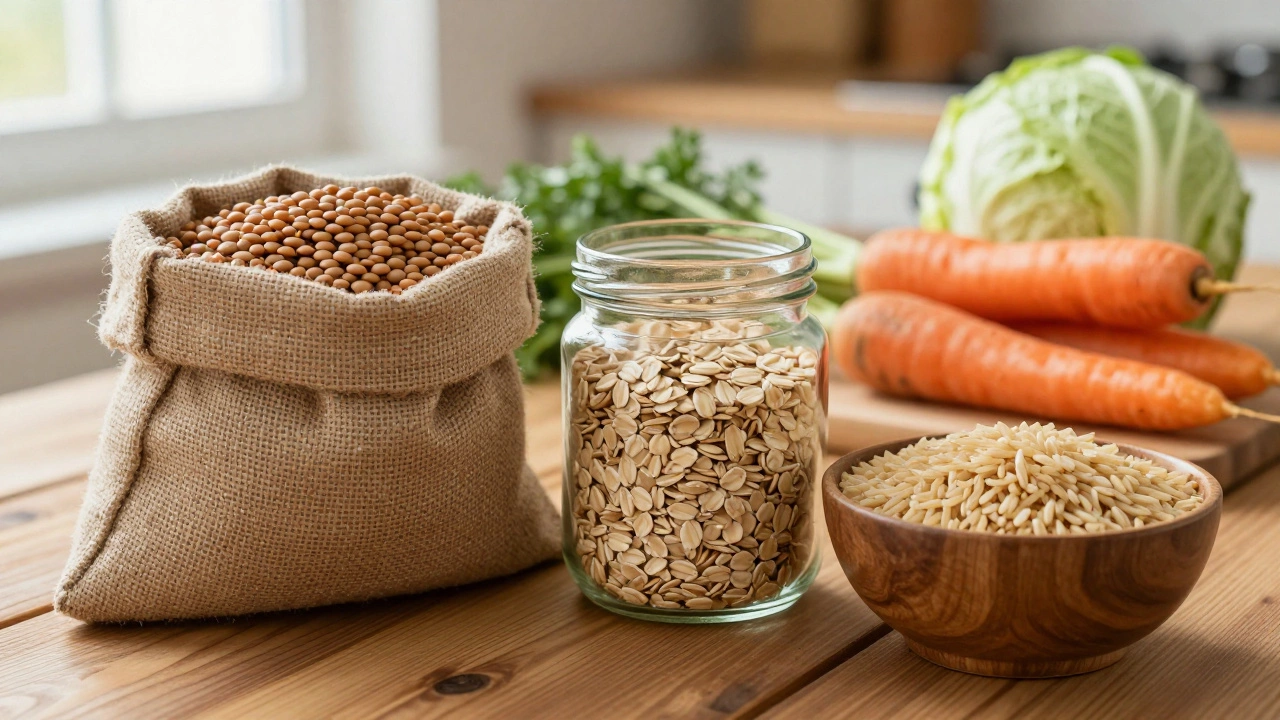
To build a sustainable diet without spending a fortune, you need a foundation of anchor foods. These are items that are cheap, have a long shelf life, and provide a high volume of nutrients. Legumes is a type of nutrient-dense seed from plants like lentils, chickpeas, and black beans. They are the gold standard for budget protein. For example, a dry bag of lentils costs far less than a pound of ground beef and provides more fiber. Then you have Whole Grains. While white rice is the most common choice due to price, brown rice or oats provide longer-lasting energy. Oats are particularly valuable; a large tub of old-fashioned oats can provide breakfast for a family of four for two weeks for just a few dollars.
| Protein Source | Approx. Cost per Serving | Primary Nutrients | Shelf Life |
|---|---|---|---|
| Dry Lentils | $0.15 - $0.30 | Protein, Iron, Folate | Very Long |
| Eggs | $0.20 - $0.40 | B12, Choline, Protein | Moderate |
| Canned Tuna | $0.80 - $1.50 | Omega-3, Protein | Long |
| Chicken Thighs | $0.60 - $1.20 | Protein, Zinc | Short |
Smart Shopping and the "Seasonal Shift"
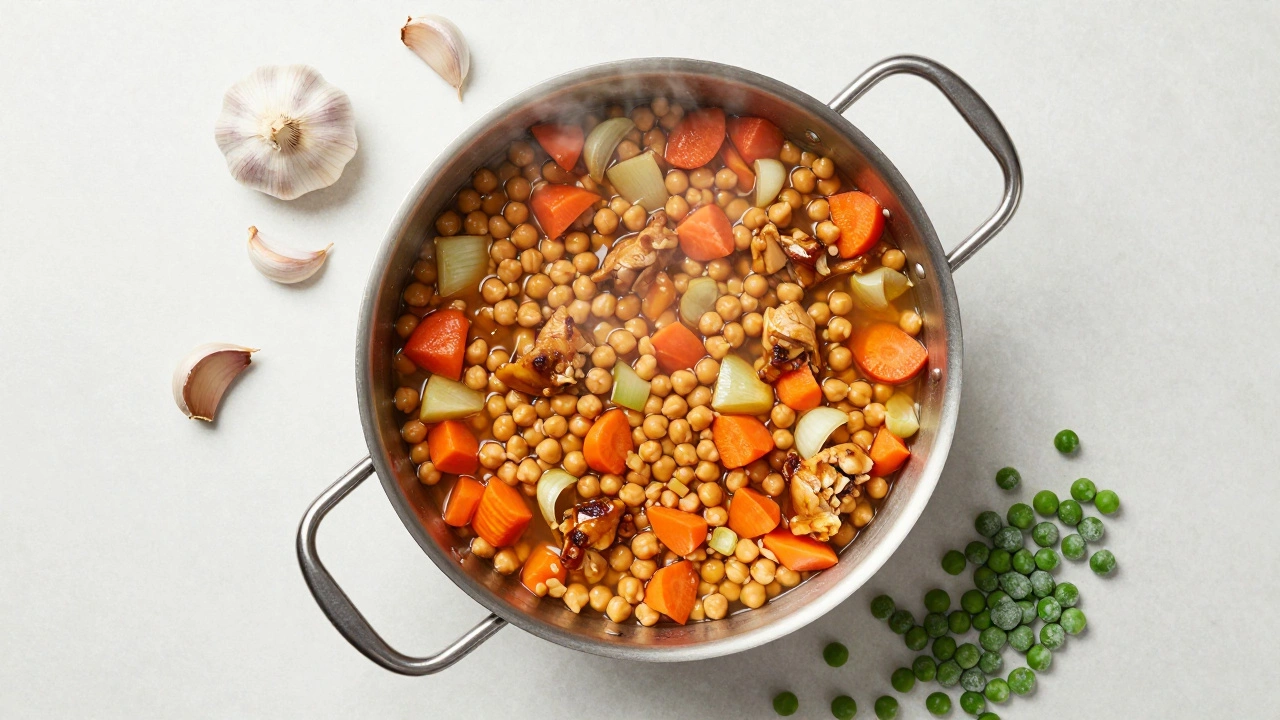
Fresh produce is often the first thing to go when a budget is tight. But here is a secret: Frozen Vegetables are often nutritionally superior to "fresh" produce that has traveled 2,000 miles in a truck. Because they are flash-frozen at the peak of ripeness, they lock in vitamins. If you're shopping for a family, focus on the "Dirty Dozen" and "Clean Fifteen" logic, but apply it to cost. Buy what is in season. In the winter, stop looking for fresh berries and switch to frozen spinach, carrots, and cabbage. Cabbage is one of the most underrated budget-friendly meals components; it's incredibly cheap, lasts for weeks in the fridge, and can be eaten raw in slaw or roasted in the oven.
The Art of Stretching a Meal
Low-income cooking is all about "stretching." This means taking a small amount of expensive protein and making it fill a large pot. Instead of serving a piece of meat as the main event, use it as a seasoning. A single chicken breast, diced small and mixed with two cans of chickpeas and a mountain of sautéed onions and carrots, can feed a family of five. This is the logic behind many traditional cuisines globally-think of the West African peanut stew or the Indian dal. They use a small amount of fat or meat to flavor a large volume of legumes and vegetables. Another pro tip is the "Everything Soup." At the end of the week, take every vegetable that's starting to look a bit wilted, add a bouillon cube, some water, and a handful of pasta or rice. It clears out the fridge and prevents food waste, which is essentially throwing money in the trash.
Navigating Food Assistance and Community Resources
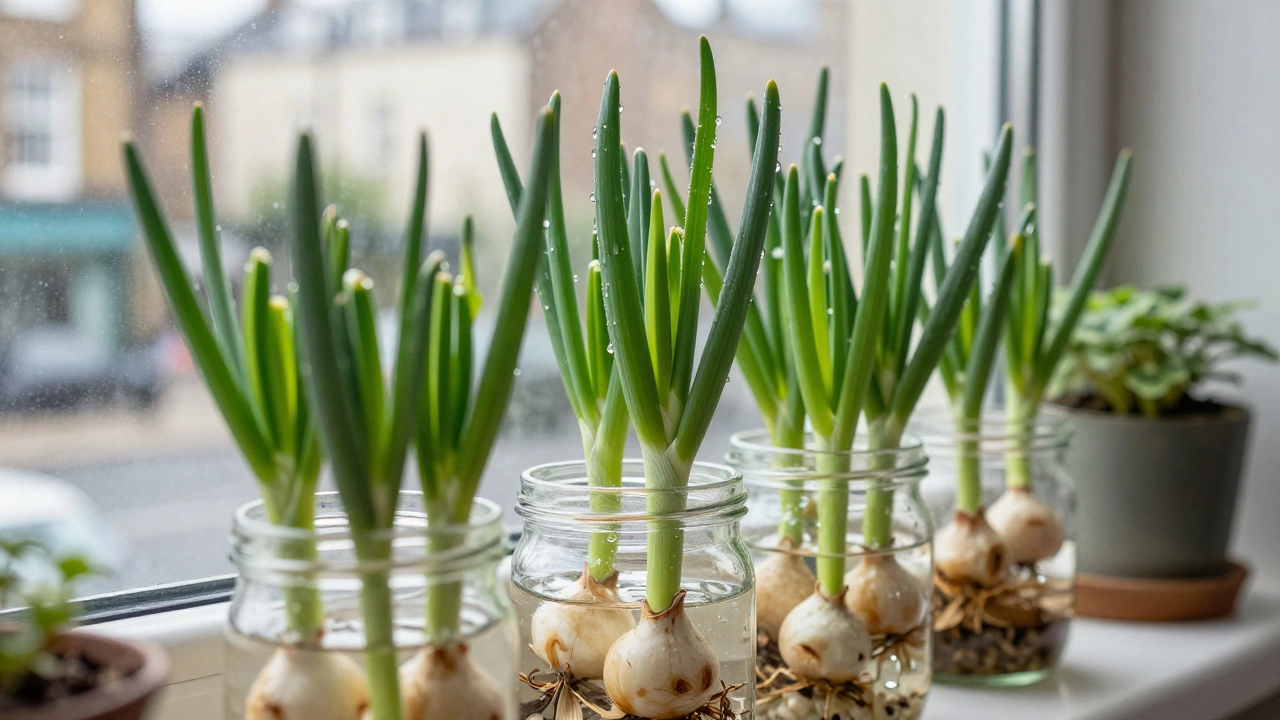
No one should have to starve to eat healthy. For those in extreme hardship, Food Banks and community pantries are vital. However, the challenge is often that these pantries provide high-sodium canned goods. The trick is to rinse canned beans and vegetables under cold water; this removes up to 40% of the excess sodium, making the food much safer for people with hypertension. Many regions also have Community Gardens. These allow families to grow their own herbs and greens, providing a source of micronutrients that are otherwise too expensive to buy. If you have a windowsill, growing green onions in water is a free way to add flavor to every single meal.
Practical Meal Ideas for the Week
If you're staring at a nearly empty pantry, try these combinations. They rely on high-value, low-cost ingredients:
- Savory Oatmeal: Instead of sugar, cook oats with soy sauce, a bit of frozen spinach, and a fried egg on top. It's a powerhouse breakfast for pennies.
- Black Bean Tacos: Use corn tortillas (cheaper than flour), mashed black beans, and shredded cabbage with lime juice.
- Egg Fried Rice: Use leftover chilled rice, frozen peas and carrots, and two scrambled eggs.
- Lentil Shepherd's Pie: Swap the beef for brown lentils and top with mashed potatoes. It's filling, hearty, and costs a fraction of the original.
Is it actually possible to eat healthy on a very low budget?
Yes, but it requires a shift in how you buy food. It means moving away from "convenience" foods (pre-cut veg, frozen dinners) and toward "raw" ingredients (dry beans, bags of rice, whole carrots). By focusing on plant-based proteins and frozen produce, you can meet most nutritional needs without spending a lot.
What are the cheapest proteins available?
Dried legumes (lentils, chickpeas, black beans) are the cheapest per gram of protein. Eggs are the most affordable animal-based protein. Canned tuna and chicken thighs (which are cheaper than breasts) are also great budget options.
How do I keep vegetables from spoiling?
Store root vegetables like carrots and potatoes in a cool, dark place, not necessarily the fridge. For leafy greens, wrap them in a paper towel inside a container to absorb excess moisture. When things start to wilt, freeze them immediately for use in soups or smoothies.
Should I buy organic if I'm on a budget?
Generally, no. If money is tight, the nutritional benefit of organic produce is outweighed by the need for caloric and micronutrient volume. Washing conventional produce thoroughly removes most pesticides. Focus on eating any vegetable rather than no vegetable.
What is the best way to shop for a family of four on a budget?
Shop the perimeter of the store for produce and eggs, and buy staples (rice, beans, flour) in bulk. Avoid the middle aisles where the expensive processed snacks live. Plan meals around one main ingredient that can be used in three different ways to reduce waste.
Next Steps for Better Budget Eating
If you're feeling overwhelmed, start with one change. This week, try replacing one meat-based dinner with a legume-based one. You'll likely find that you save $5 to $10 on a single meal. From there, start a "pantry inventory"-write down every can and bag of grain you own before you go to the store. This prevents you from buying doubles and helps you realize you already have the base for a dozen different meals.