Compound Exercises: Full-Body Strength Moves That Actually Work
When you hear compound exercises, multi-joint movements that work several muscle groups at once. Also known as multi-joint lifts, they’re the backbone of real strength training—not just for athletes, but for anyone who wants to get stronger without spending hours in the gym. Unlike isolation moves that target one muscle, compound exercises like squats, deadlifts, and push-ups engage your legs, back, core, and arms together. That means more muscle activation, better calorie burn, and faster results—no fluff, no filler.
These moves aren’t just about lifting heavy. They’re about moving like a human should—pushing, pulling, squatting, and hinging in ways that match how your body was built. That’s why they show up in functional fitness, training that improves everyday movement and reduces injury risk. If you carry groceries, chase kids, or climb stairs, compound exercises make those tasks easier. They also link directly to full-body workout, routines designed to engage multiple systems at once for balanced strength. You don’t need a fancy machine. A barbell, dumbbells, or even your own body weight can turn a 20-minute session into a game-changer.
What makes compound exercises so powerful? They trigger hormonal responses that help you build lean muscle and burn fat. They improve coordination, balance, and posture. And because they’re efficient, they fit into busy schedules—something you’ll see echoed in posts about the 4/30/10 method, home gym gear, and time-saving routines. You’ll find real advice here on how to start, how to avoid common mistakes, and which variations work best for your goals. Whether you’re new to lifting or just tired of endless isolation moves, the posts below give you the no-nonsense breakdowns you need to actually stick with it.
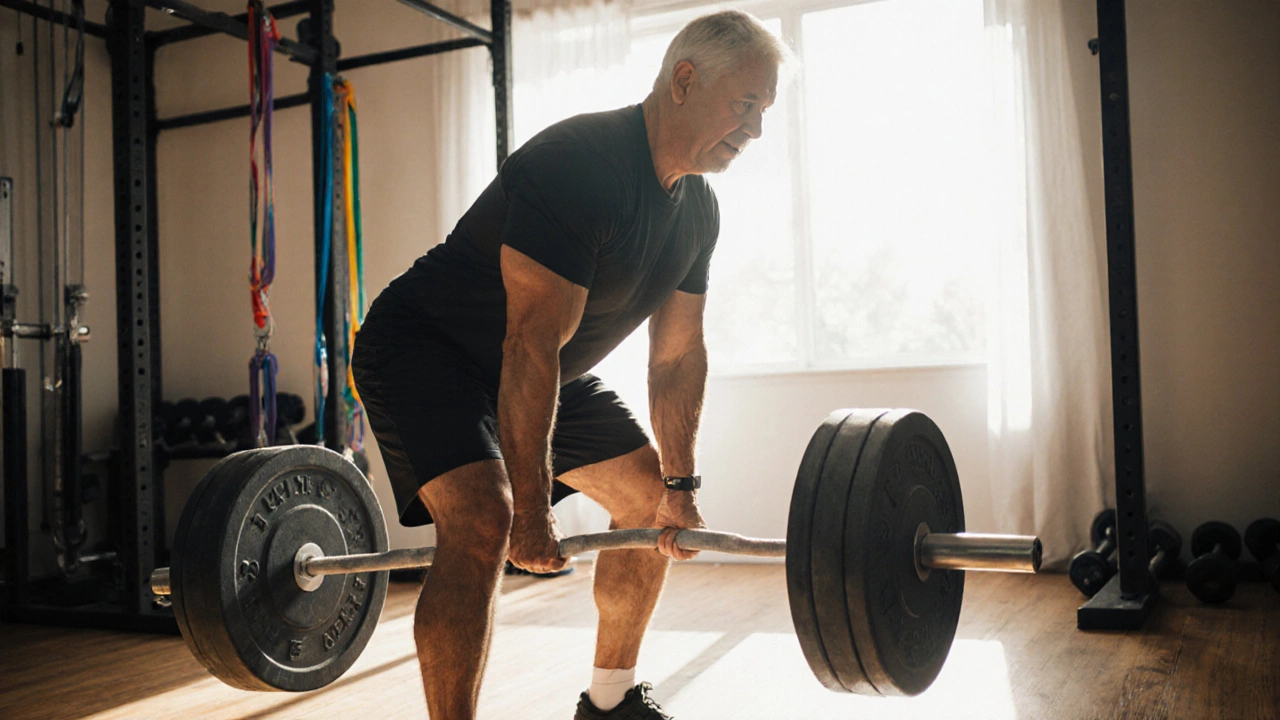
What Is the Best Exercise for Your Whole Body?
The deadlift is the most effective full-body exercise, building strength, improving posture, and preventing injury. Learn how to do it right, alternatives if you can't use a barbell, and why it beats every other workout.