Eco-Friendly Fashion Cities: Where Sustainable Style Is Really Happening
When we talk about eco-friendly fashion cities, urban centers where clothing production, shopping habits, and policy actively reduce environmental harm. Also known as sustainable fashion hubs, these places don’t just talk about green clothing—they build systems that make it easy, affordable, and normal to choose better options. It’s not just about buying organic cotton t-shirts. It’s about repair shops, rental closets, local designers using deadstock fabric, and cities that ban landfill dumping of unsold clothes.
Look at cities like London, a major European hub for vintage thrifting and ethical brand incubators, where you can find pop-up repair cafes in every neighborhood and major retailers now offer take-back programs. Then there’s Berlin, a pioneer in circular fashion with zero-waste fashion weeks and textile recycling labs, where brands like Repurpose and We Are Kindred turn old uniforms into new coats. Even smaller cities like Bristol, a UK leader in community-driven sustainable fashion initiatives, have turned thrift stores into cultural landmarks, with locals swapping clothes instead of buying new.
What ties these places together? They all treat fashion as a system—not just a product. That means policies that hold brands accountable, infrastructure for recycling textiles, and public education that makes sustainability feel practical, not preachy. You won’t find these cities pushing expensive ‘eco’ labels. Instead, they’re focused on access: Can you get a repaired jacket for £10? Can you rent a dress for a wedding without spending £200? Can you drop off old jeans and walk out with new ones made from them? That’s the real test.
And it’s not just about where you live—it’s about what’s possible where you shop. The posts below show you how real people are making smarter choices, whether they’re in Manchester, Cardiff, or just browsing online. You’ll find out why thrifting isn’t always as green as it seems, what brands are actually doing the work (and which ones are just slapping on a leaf logo), and how to spot true eco-friendly progress versus empty marketing. These aren’t theory pieces. They’re real stories from people who’ve figured out how to dress without wrecking the planet—and they’re doing it without giving up style.
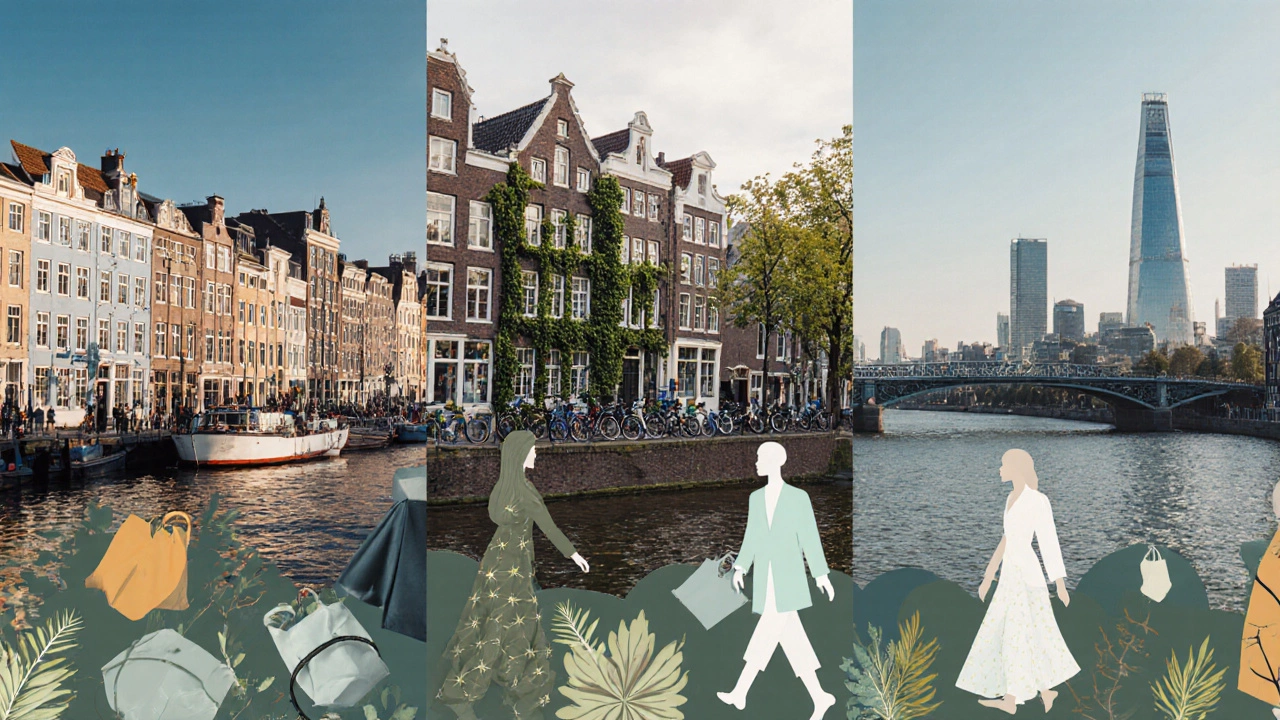
The Capital of Sustainable Fashion: Which City Leads the Eco‑Style Movement?
Explore why Copenhagen, Amsterdam, and London vie for the title of sustainable fashion capital, learn the criteria that define the lead, and discover how you can support the green‑style movement.