Sustainable Fashion Capital: Where Eco-Friendly Style Actually Thrives
When we talk about a sustainable fashion capital, a city or region leading in ethical clothing production, circular systems, and conscious consumer habits. Also known as eco-fashion hub, it’s not just about trendy boutiques—it’s about systems that keep clothes in use, out of landfills, and off the backs of exploited workers. This isn’t a title handed out by marketing teams. It’s earned through real action: repair workshops, rental services, local textile recycling, and brands that pay fair wages and use non-toxic dyes.
What makes a place truly a sustainable fashion capital? It’s not just having a few green labels. It’s when thrift stores outnumber fast fashion chains, when students learn to mend jeans in school, and when local designers source fabric from abandoned factories. Cities like London, Amsterdam, and even smaller UK towns are building this. They’re not waiting for big brands to lead—they’re doing it themselves. And it’s working. In 2024, UK consumers spent over £1.2 billion on secondhand clothing, up 40% from just three years ago. That’s not a fad. That’s a shift.
But here’s the catch: not every brand calling itself "eco-friendly" is. greenwashing, when companies make false or misleading claims about their environmental impact. Also known as eco-laundering, it’s everywhere—pink packaging, vague terms like "natural" or "conscious," and labels that sound good but mean nothing. Real sustainable fashion means transparency: where the cotton was grown, who sewed it, how much water it took, and what happens when you’re done with it. That’s why thrifting, swapping, and buying from small makers who show their supply chain matter more than any hashtag.
And it’s not just about clothes. It’s about how we think about ownership. In a circular economy, nothing is wasted. A jacket doesn’t die in a bin—it gets repaired, resold, or turned into insulation. This system is already alive in places like Manchester’s vintage markets and Bristol’s clothing libraries. You don’t need to buy new to look good. You just need to know where to look.
What you’ll find below are real stories and facts from people who’ve made the switch. From how to spot a genuine eco-brand to why your old sweater might be worth more than you think. No fluff. No guilt. Just what’s working—and how you can join in, without spending a fortune.
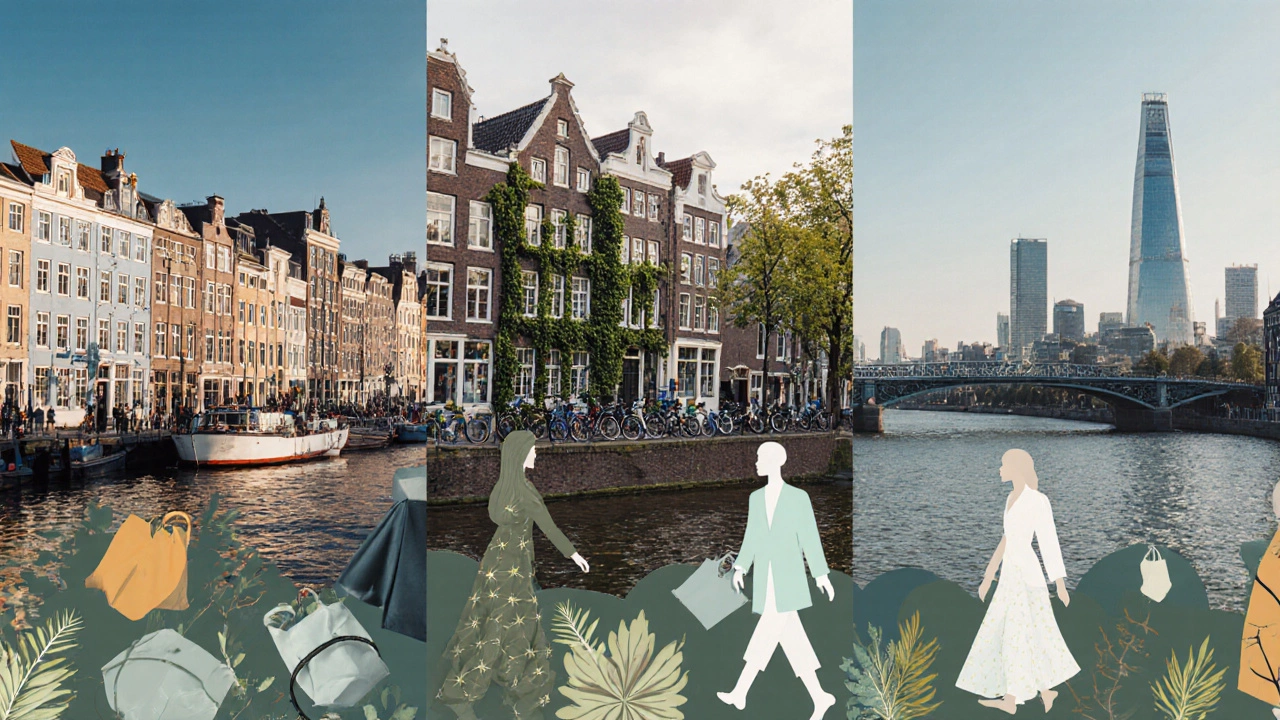
The Capital of Sustainable Fashion: Which City Leads the Eco‑Style Movement?
Explore why Copenhagen, Amsterdam, and London vie for the title of sustainable fashion capital, learn the criteria that define the lead, and discover how you can support the green‑style movement.