
Ever feel like you’re working out hard but not seeing real results? You’re not alone. Many people spend hours at the gym, only to hit a plateau-or worse, burn out. The 321 rule in fitness isn’t a magic trick, but it’s one of the most practical frameworks for building a sustainable, effective routine without overdoing it. It’s simple: 3 days of strength training, 2 days of cardio, and 1 day of active recovery. That’s it. No complicated charts, no expensive apps, no guilt trips.
What the 321 Rule Actually Means
The 321 rule breaks your week into three clear blocks:
- 3 days of strength training
- 2 days of cardio
- 1 day of active recovery
That leaves one day open-usually Sunday-for rest, travel, or just doing nothing. The key is consistency, not intensity. This structure works because it matches how your body actually recovers. Muscles grow when you rest, not when you lift. Your heart needs variety to stay efficient. And your brain? It needs breathing room to stay motivated.
Think of it like a car. You don’t race it 7 days a week. You drive, refill, clean the windows, and let the engine cool. The 321 rule is your fitness tune-up schedule.
Strength Training: The 3 Days
These aren’t bodybuilding sessions. You’re not aiming for max reps or lifting until your arms shake. You’re building functional strength-enough to carry groceries, climb stairs, or play with your kids without getting winded.
Each session should target your whole body. You don’t need separate days for arms, legs, or back. A simple full-body routine works better for most people. Here’s a basic template:
- Squats or lunges (legs and glutes)
- Push-ups or dumbbell presses (chest and arms)
- Rows or pull-downs (back)
- Plank or dead bug (core)
Do 3 sets of 8-12 reps for each exercise. If you’re using weights, choose something that feels challenging by the last rep but doesn’t wreck your form. If you’re using bodyweight, make it harder by slowing down the movement or adding a pause.
Studies from the American College of Sports Medicine show that full-body strength training 2-3 times a week improves muscle mass, bone density, and metabolism more effectively than splitting up muscle groups. You’re not just getting stronger-you’re protecting your joints and preventing injuries as you age.
Cardio: The 2 Days
Cardio doesn’t mean running on a treadmill for an hour while watching Netflix. It means moving in a way that raises your heart rate and keeps it there for at least 20-30 minutes.
Choose two different types of cardio to keep things interesting and reduce overuse injuries:
- One day: steady-state cardio (brisk walking, cycling, swimming)
- One day: interval training (short bursts of speed or effort, like sprinting or jumping rope)
Steady-state cardio builds endurance. Interval training burns fat more efficiently and improves heart health faster. A 2023 study in the Journal of Sports Science & Medicine found that people who combined both types lost more body fat and kept it off longer than those who did only one.
Don’t overdo it. Two 30-minute sessions are enough. If you’re new, start with 20 minutes. Walk faster. Bike uphill. Dance like no one’s watching. The goal isn’t to exhaust yourself-it’s to get your heart pumping regularly.
Active Recovery: The 1 Day
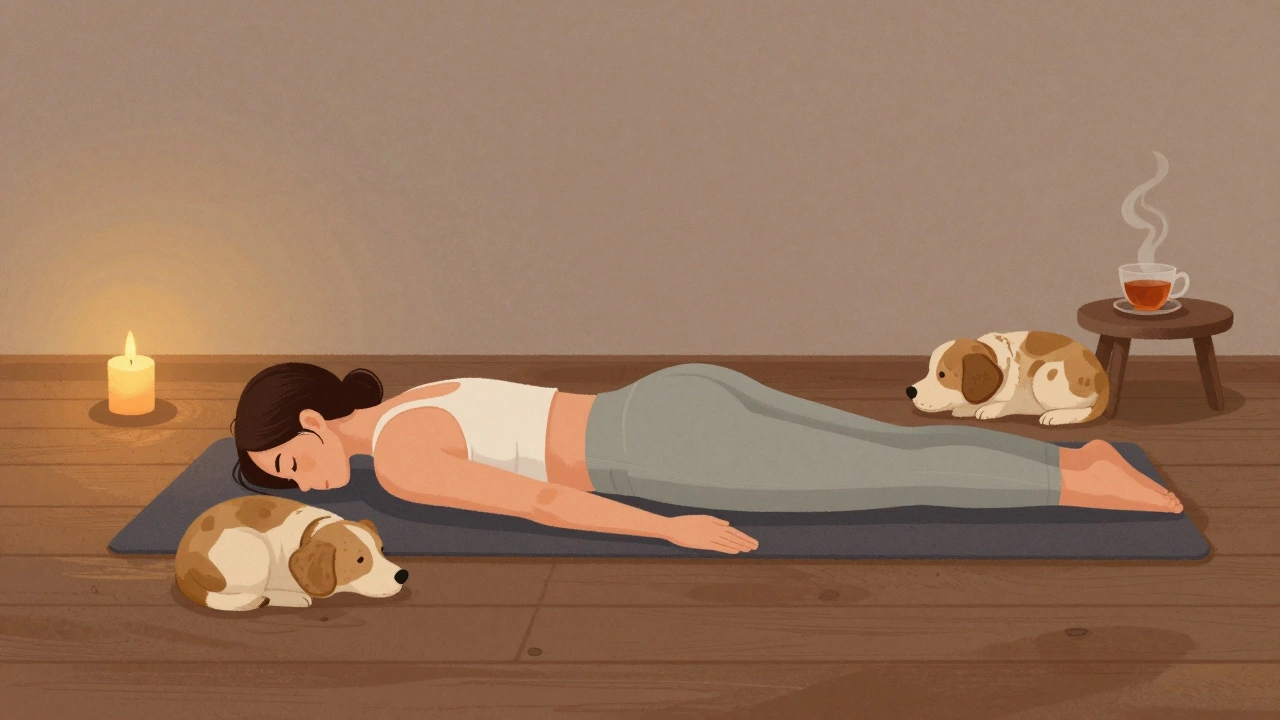
This is where most people mess up. They think recovery means lying on the couch. But true recovery means moving-just gently.
Active recovery helps flush out lactic acid, improves circulation, and reduces stiffness. It’s the difference between feeling sore for days and feeling ready to go again.
Here’s what active recovery looks like:
- 30-45 minutes of walking
- Light yoga or stretching
- Swimming at an easy pace
- Playing with your dog or kids
- Gardening or cleaning the house
Keep your heart rate low. You should be able to talk easily. If you’re sweating buckets or gasping for air, you’re not recovering-you’re working out. This day isn’t optional. It’s what makes the other six days work.

Why This Works Better Than Other Plans
Why not do 5 days of strength? Or 7 days of cardio? Because your body isn’t a machine. It needs balance.
Too much strength training without cardio? You’ll build muscle but lose stamina. Too much cardio without strength? You’ll lose muscle, slow your metabolism, and risk joint damage. Too many rest days? Motivation fades. Too few? You get injured.
The 321 rule hits the sweet spot. It’s backed by real data. The CDC recommends at least 150 minutes of moderate cardio and two days of strength training per week. The 321 rule gives you 120-150 minutes of cardio and 90-120 minutes of strength-right in the zone.
It’s also flexible. If you miss a day, you don’t need to panic. Swap a cardio day for strength if you’re feeling strong. Move recovery to Friday if Saturday’s your only free day. The structure stays the same; the timing adjusts to your life.
Who It’s Best For (and Who Should Skip It)
This plan works great if you’re:
- Starting out and overwhelmed by complex routines
- Returning to fitness after a break
- Busy with work or family and need something simple
- Not training for a marathon or bodybuilding contest
It’s not ideal if you’re:
- Training for a competition (marathon, powerlifting, etc.)
- Recovering from a serious injury
- Working with a physical therapist on a custom plan
For most people-80% of those who start a fitness journey-the 321 rule is the most reliable path to long-term results. It’s not flashy. But it’s real.
How to Start Today
You don’t need a gym membership. You don’t need fancy equipment. Here’s how to begin:
- Pick three days this week for strength. Monday, Wednesday, Friday? Tuesday, Thursday, Saturday? Doesn’t matter. Just pick them.
- Choose two days for cardio. Maybe you walk after dinner on Tuesday and Thursday.
- Block out one day for recovery. Sunday? Wednesday evening? Make it non-negotiable.
- Write it down. Put it on your calendar. Set a reminder.
- Do it for four weeks. No changes. No excuses.
After four weeks, you’ll notice things: your clothes fit better, you sleep deeper, you have more energy. You won’t feel like you’re grinding anymore. You’ll feel like you’re building something.
Common Mistakes to Avoid
Even with a simple plan, people still mess up. Here’s what not to do:
- Skipping recovery because you think you’re not "working hard enough." That’s when injuries happen.
- Doing too much cardio on your strength days. Don’t run before lifting. You’ll drain your energy.
- Chasing weights too fast on strength days. Form beats weight every time.
- Waiting for motivation. Motivation comes after you start. Not before.
The biggest mistake? Thinking you need to do more. You don’t. You need to do it right. And consistently.
What Comes Next?
After 8-12 weeks on the 321 rule, you’ll be stronger, fitter, and more confident. That’s when you can start tweaking: add a third cardio day, try kettlebells, or test out HIIT. But don’t rush it. The foundation matters more than the fancy upgrades.
Most people quit because they try to do too much too soon. The 321 rule doesn’t promise overnight results. But it does promise results you can keep.
Is the 321 rule good for weight loss?
Yes. The 321 rule helps with weight loss because it combines calorie-burning cardio with muscle-building strength training. Muscle burns more calories at rest, so building it helps you lose fat even when you’re not working out. Pair it with balanced eating, and you’ll see steady progress without extreme diets.
Can I do the 321 rule at home?
Absolutely. You don’t need a gym. Bodyweight squats, push-ups, planks, and resistance bands work perfectly for strength. For cardio, walk, jog in place, do jumping jacks, or use a stationary bike. Active recovery can be a walk around the block or gentle yoga on the floor.
What if I can’t do 3 strength days a week?
Start with 2 days. Do 2 strength, 2 cardio, 1 recovery. That’s still better than nothing. Once you build consistency, add the third strength day. Progress isn’t about perfection-it’s about showing up.
Should I stretch before or after workouts?
Dynamic stretches (like leg swings or arm circles) before workouts help warm up your muscles. Static stretches (holding a stretch for 20-30 seconds) are best after workouts or on recovery days. Don’t stretch cold muscles-it can cause injury.
How long until I see results?
Most people notice small changes in energy and strength within 2-3 weeks. Visible changes in body composition-like tighter muscles or looser clothes-usually show up between 6 and 8 weeks. The key is sticking with it. Results compound over time.
Final Thought: It’s Not About Perfection
The 321 rule isn’t about doing everything right. It’s about doing something, consistently, for the long haul. You’ll miss a day. You’ll skip recovery. You’ll eat pizza on Saturday. That’s okay. What matters is that you come back. That you keep showing up. That you build a life where movement isn’t a chore-it’s just part of how you live.