Accent Wall Update Calculator
How to Update Your Accent Wall
Based on 2024 design trends, calculate if your accent wall needs updating and get personalized recommendations.
Your Update Recommendation
Recommended Updates
Five years ago, every living room had one. A bold red brick wall. A deep navy panel. A geometric patterned paper that made guests stop and stare. Accent walls were everywhere - and they promised drama, personality, and instant style. But now, scrolling through Instagram or flipping through design magazines, you start to wonder: are accent walls out of style in 2024?
What even is an accent wall anymore?
An accent wall isn’t just any painted wall. It’s the one wall in a room that breaks the mold - usually in color, texture, or material - to create a visual anchor. It used to be the go-to trick for renters who couldn’t redo a whole room, or for homeowners trying to hide an awkward corner. But today, the rules have changed. The trend isn’t about making one wall shout louder than the others. It’s about creating harmony.
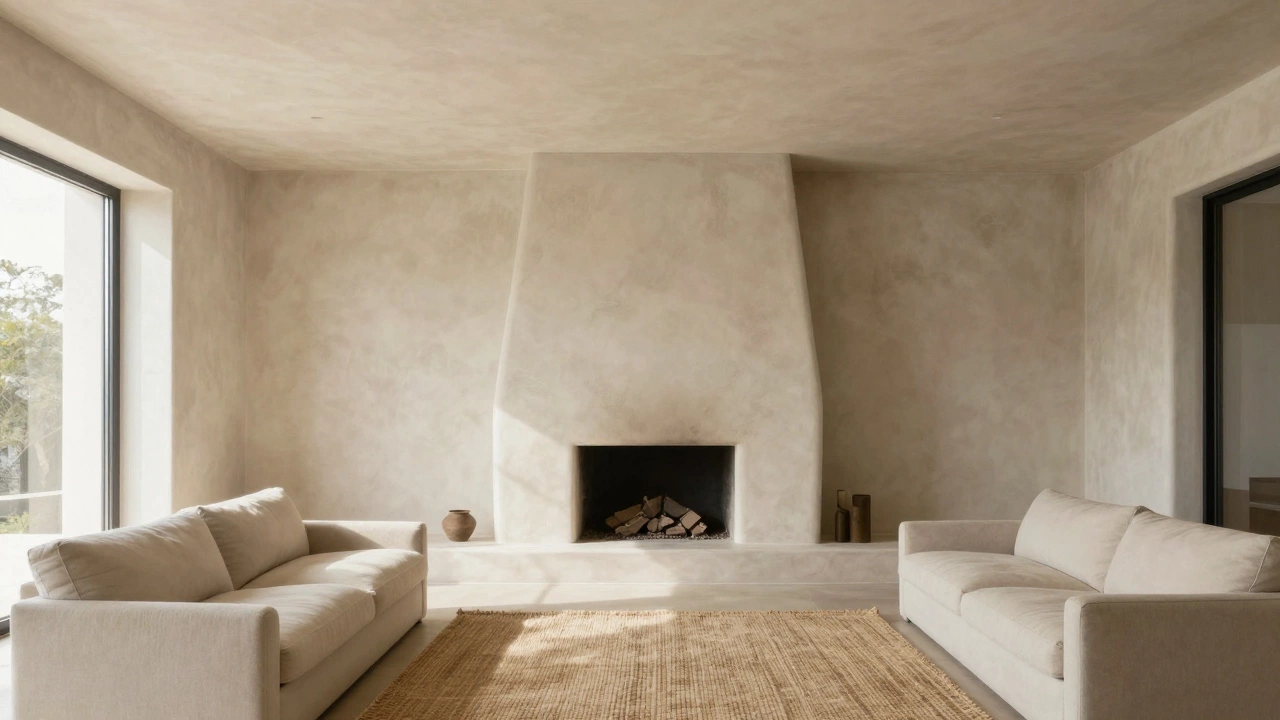
Designers in Durban, Cape Town, and Johannesburg are moving away from the classic single-wall punch. Instead, they’re leaning into wall systems - where texture, material, or color flows across multiple surfaces. Think plastered walls that wrap around a fireplace and continue onto the ceiling. Or reclaimed wood that runs from floor to ceiling, framing a doorway instead of just sitting behind a sofa.
Why the shift happened
The rise of minimalism didn’t kill accent walls - but it reshaped them. People started noticing how a single bold wall could make a room feel divided. A bright green wall in a gray living room? It doesn’t blend. It competes. And in open-plan homes - which now make up over 70% of new builds in South Africa - that division becomes awkward. You walk from the kitchen into the lounge, and suddenly you’re hitting a visual wall.
Then there’s the cost factor. Wallpaper, custom paint finishes, and stone cladding aren’t cheap. Many homeowners realized they were spending R3,000-R8,000 on one wall, while the rest of the room looked like a rental. That imbalance started to feel wasteful.
Real change came when people started asking: What if the whole room was the accent?
What’s replacing accent walls in 2024
Here’s what’s actually working right now:
- Textured plaster walls - Think lime wash, tadelakt, or roughcast finishes. They add depth without color. No need to pick a shade - the texture does the talking.
- Continuous material use - Wood paneling that runs from floor to ceiling, or tile that flows from kitchen backsplash to dining wall. It creates flow, not contrast.
- Painted ceilings - A soft sage or warm terracotta overhead can feel more surprising than a red wall. It’s unexpected, and it draws the eye up instead of stopping it at one point.
- Art as the feature - Instead of painting a wall, hang a large-scale mural, a gallery wall with mixed frames, or a single oversized painting. It’s changeable, personal, and doesn’t require renovation.
- Lighting as texture - Recessed ledges, wall sconces with sculptural shades, or hidden cove lighting can define a space without adding color.
One client in Pinetown recently did this: she painted all four walls in a muted oatmeal tone, then added a hand-painted mural behind her bed - not on one wall, but wrapping around the corner. The result? A room that feels curated, not decorated. And it cost less than a traditional accent wall with imported wallpaper.
When accent walls still make sense
Don’t throw out your paintbrush just yet. Accent walls aren’t dead - they’re just pickier about where they show up.
They still work in:
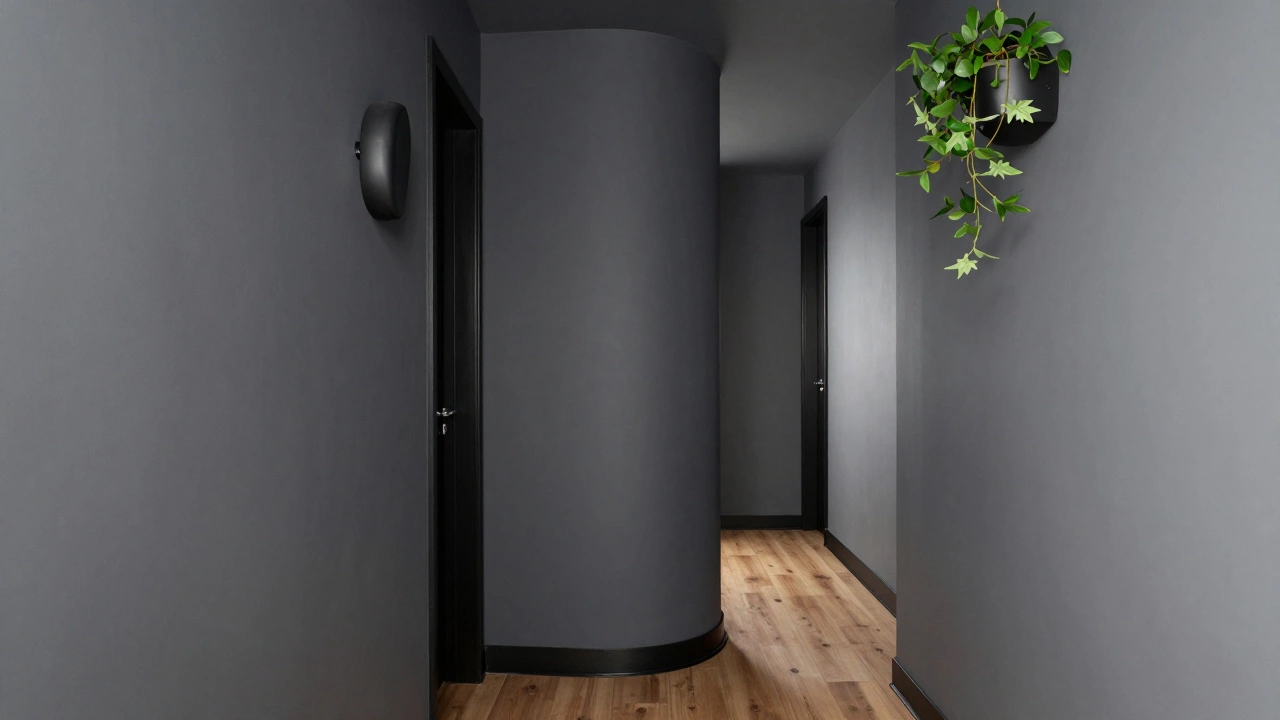
- Small spaces - A dark wall in a narrow hallway can make it feel like a cozy tunnel, not a corridor.
- Bedrooms - A deep charcoal behind the bed can feel like a cocoon, especially with layered bedding.
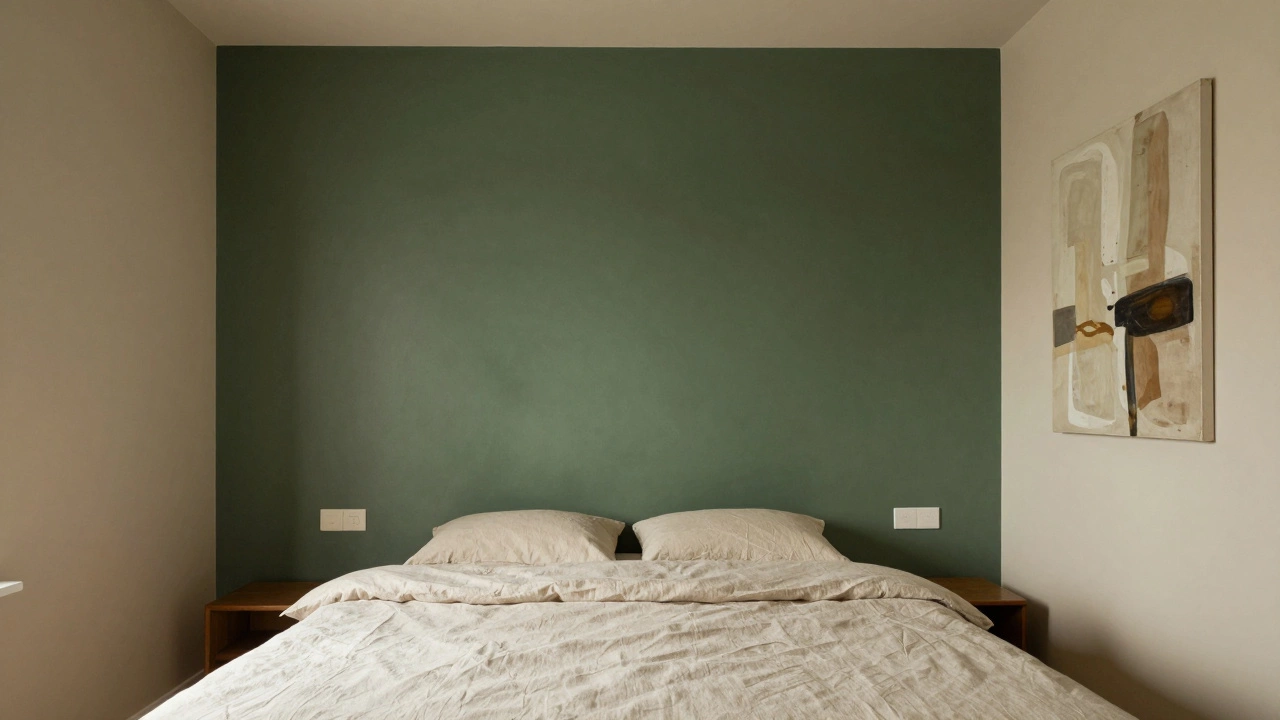
- Home offices - A single wall in a rich green or burnt orange can energize focus without overwhelming the whole room.
- Rooms with strong architectural features - If you’ve got a fireplace, a bay window, or a built-in bookshelf, a subtle accent wall behind it can frame it beautifully.
The key? Keep it quiet. No neon. No busy patterns. No contrasting colors that fight the rest of the room. Think tonal shifts - a shade darker or lighter than the surrounding walls. Or a matte finish where the rest are glossy.
What designers are saying
“I haven’t done a traditional accent wall in over two years,” says Lwazi Nkosi, a Durban-based interior designer. “My clients now want walls that breathe. They want rooms that feel like they’ve been lived in, not staged. A single bold wall feels like a prop.”
He’s seen a 60% drop in requests for wallpaper accent walls since 2022. Instead, clients ask for “walls that feel like they’ve aged with the house.” That means natural materials, hand-applied finishes, and colors that change with the light - like ochre in the morning, warm brown at sunset.
What to do if you already have one
If your living room has a 2019 teal accent wall and you’re wondering if it’s time to repaint - here’s the truth: you don’t have to rush.
Here’s how to update it without starting over:
- Paint the other three walls a shade lighter or darker than the accent wall. This creates a tonal gradient instead of a hard line.
- Add a large piece of art or a mirror that overlaps the edge of the wall. It softens the boundary.
- Use textiles - a rug, curtains, or cushions - to echo the accent wall’s color. This ties it into the room.
- Switch to a matte finish if it’s glossy. Gloss feels dated. Matte feels modern.
- If it’s wallpaper, cover it with a thin layer of plaster or textured paint. It hides the pattern but keeps the depth.
There’s no rule that says you must follow every trend. If your accent wall still makes you happy, keep it. But if it feels like a relic - a holdover from a time when more was always better - then maybe it’s time to let it evolve.
Final thought: Style isn’t about what’s trending - it’s about what feels like home
Design trends come and go. Accent walls were never about logic - they were about emotion. They gave people a place to put their boldness. But now, the emotional connection is shifting. People want calm. They want texture that tells a story. They want rooms that feel like they’ve grown with them, not ones that scream for attention.
In 2024, the most stylish walls aren’t the ones that stand out. They’re the ones that hold you.
Are accent walls considered outdated in 2024?
Accent walls aren’t outdated - they’re just less common. The trend has shifted from single bold walls to more subtle, continuous design elements like textured plaster, painted ceilings, or full-wall wood paneling. You’ll still see accent walls in bedrooms, home offices, and small spaces, but they’re now designed to blend in, not stand out.
What’s the alternative to an accent wall?
Instead of one standout wall, many homeowners are using texture across entire rooms - think lime-washed plaster, reclaimed wood paneling, or stone cladding that flows from floor to ceiling. Others use art, lighting, or ceiling paint to create focus without a single colored wall. The goal is harmony, not contrast.
Can I keep my existing accent wall?
Absolutely. If you love it, there’s no need to remove it. To modernize it, paint the surrounding walls in a matching tone, add soft textiles that echo its color, or switch to a matte finish. A well-loved accent wall can still feel intentional and warm - it just needs to be part of the room, not separate from it.
Do accent walls add value to a home?
Not really - especially if it’s a loud or dated color. Buyers respond better to neutral, cohesive spaces. A subtle, well-executed feature wall in a bedroom or home office might add charm, but a bright or mismatched accent wall can actually hurt resale value. Focus on quality finishes over bold statements.
What colors work best for accent walls today?
Modern accent walls use quiet, earthy tones - think warm greys, soft ochres, deep moss greens, or muted terracottas. Avoid neon, bright blues, or high-contrast patterns. The best colors are those that shift slightly with the light and feel like they’ve been there for years, not ones that shout for attention.