Clothing Detox Strategy Builder
Step 1: Select Your Garment Type
Recommended Routine
Select a garment type above to see your personalized detox plan.
You pull a brand-new shirt out of the plastic packaging. It smells sharp-like stale perfume mixed with industrial cleaner. That isn't just 'new car smell' for your wardrobe; it's likely a cocktail of volatile organic compounds (VOCs) and finishing agents. The question on everyone's mind in the eco-conscious community is simple but tricky: can you wash toxins out of clothes? The short answer is yes, mostly. But it’s not as easy as tossing everything into the washing machine on the hottest setting. Understanding what those chemicals are, where they come from, and how to effectively rinse them away requires a bit more nuance than a standard detergent bottle suggests.
What Are These "Toxins" Anyway?
First, let's clear up the terminology. When people talk about "toxins" in clothing, they aren't usually referring to radioactive waste or heavy metals like lead (though those exist in some low-quality prints). They are talking about synthetic chemicals used during manufacturing to make fabrics look crisp, resist wrinkles, repel water, or hold dye.
The most common culprits include:
- Formaldehyde resins: Used to prevent wrinkling in non-iron shirts. This is a known carcinogen that can cause skin irritation and respiratory issues.
- PFCs (Perfluorocarbons): Often found in outdoor gear and stain-resistant trousers. These are "forever chemicals" that do not break down easily in the environment or the human body.
- Azo dyes: Synthetic dyes that can break down into aromatic amines, which are potentially carcinogenic, especially if they sweat onto your skin.
- Phthalates: Used in PVC-based faux leathers and some elastic waistbands to keep materials flexible. These are endocrine disruptors.
These substances are applied during the finishing stage of textile production. They sit on the surface of the fibers or bond loosely to them. Because they are often water-soluble or alcohol-soluble, they can be removed, but the method matters immensely.
The "New Clothes" Smell: Why It Happens
That pungent odor you detect when unwrapping fast fashion items is primarily caused by formaldehyde and other VOCs. Manufacturers use these to keep clothes looking perfect while stuffed into tight boxes and shipped across oceans. In Durban, where humidity is high, these chemicals can off-gas even faster, making the smell more noticeable.
While the smell itself is unpleasant, it serves as a warning signal. If a garment smells strongly of chemicals, it means there is a significant load of residual finishing agents. Washing is essential here, not just for comfort, but to reduce your immediate exposure to these irritants. However, relying solely on your nose isn't foolproof. Some harmful chemicals, like certain PFCs, are odorless.
Step-by-Step: How to Safely Detox New Clothing
To effectively remove these residues, you need a strategy that targets different types of chemical bonds. Here is a practical routine that works for most natural and synthetic fabrics.
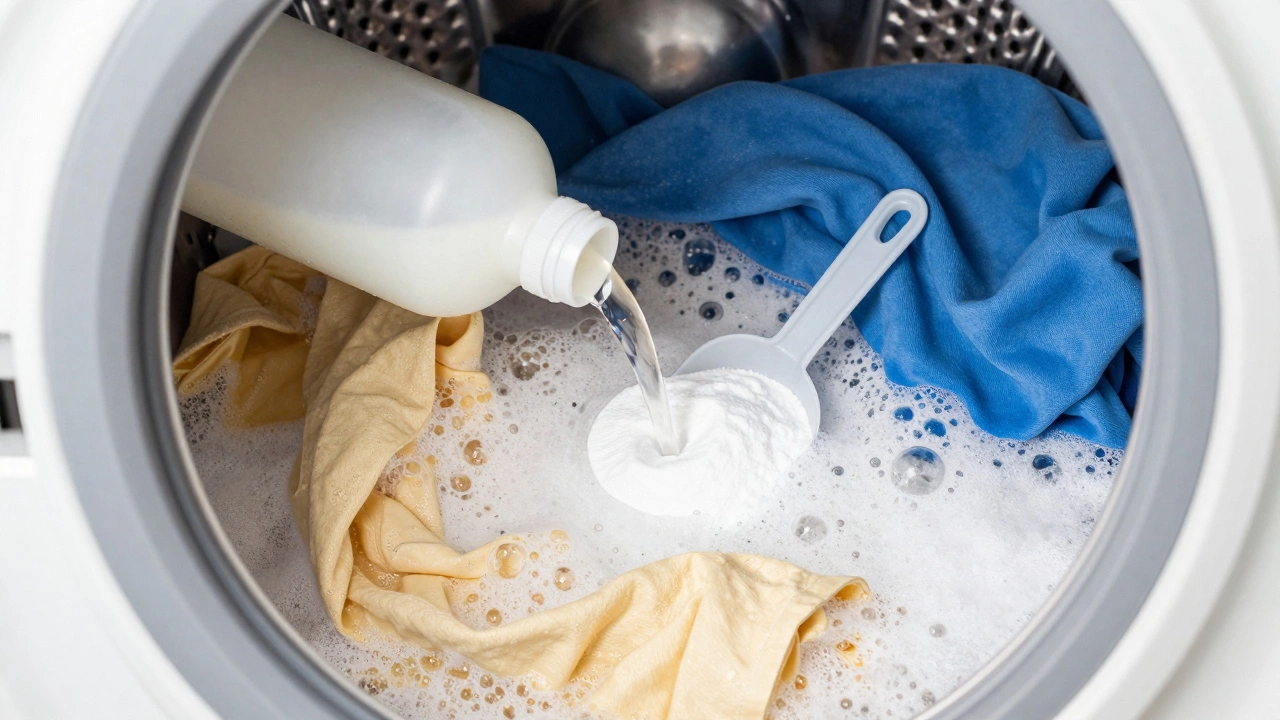
- Pre-treat with Vinegar: White distilled vinegar is acidic and helps break down alkaline residues and soap scum. Soak new items in a mixture of one cup of white vinegar and one gallon of cool water for 30 minutes before washing. This step is particularly effective against formaldehyde residues.
- Use Oxygen Bleach, Not Chlorine: Skip the harsh chlorine bleach, which can react with certain dyes to create more harmful byproducts. Instead, use an oxygen-based bleach (sodium percarbonate). It releases oxygen bubbles that lift dirt and chemical residues from fibers without damaging the fabric structure.
- Wash in Warm Water: Heat helps dissolve oils and waxes used in finishing. Use warm water (around 40°C or 104°F) unless the care label specifies cold. Hotter water generally removes more chemicals, but check the label first to avoid shrinking wool or stretching synthetics.
- Add Baking Soda: Throw in half a cup of baking soda along with your detergent. Baking soda acts as a deodorizer and mild abrasive, helping to neutralize acids and lift particles from the fabric weave.
- Double Rinse: If your washing machine allows it, add an extra rinse cycle. This ensures that any loosened chemicals are fully flushed out rather than redepositing onto the fabric during the spin cycle.
For delicate items that cannot go in the washer, spot cleaning with a diluted vinegar solution and air drying in direct sunlight can help degrade some surface chemicals through UV exposure.
What About Old Clothes? Can They Still Be Toxic?
You might wonder if this only applies to brand-new purchases. Unfortunately, no. Chemicals can linger in fabrics for years, especially if they were heavily treated during manufacturing. Additionally, clothes accumulate environmental pollutants over time. Living in an urban area like Durban means your outdoor clothes pick up vehicle exhaust particles, dust, and pollen. Indoor clothes absorb cooking grease, body oils, and household cleaners.
If you haven't washed your clothes properly in months, or if you've been using fabric softeners regularly, you may have built up a layer of residue. Fabric softeners coat fibers with a thin film of chemicals that traps odors and reduces breathability. Over time, this film can harbor bacteria and mold spores, creating a secondary source of irritation.
To detox old clothes, consider a "strip wash." This involves washing garments with a small amount of powdered laundry detergent and baking soda, skipping the fabric softener entirely. Run two cycles. This strips away the buildup of softeners, minerals from hard water, and trapped pollutants.
The Role of Detergents and Laundry Additives
Not all detergents are created equal when it comes to removing toxins. Many conventional detergents contain optical brighteners, synthetic fragrances, and enzymes that can leave their own chemical residue. While these ingredients clean dirt, they don't necessarily remove manufacturing chemicals and might add new ones to the mix.
Opt for fragrance-free, plant-based detergents. Look for certifications like EU Ecolabel or USDA Certified Biobased, which indicate lower levels of hazardous substances. Avoid products listing "parfum" or "fragrance" as an ingredient, as this is a catch-all term for hundreds of undisclosed chemicals, many of which are potential allergens.
Also, reconsider fabric softeners and dryer sheets. These products work by coating fibers with cationic surfactants. While they make clothes feel softer, they reduce the fabric's ability to wick moisture and trap chemical residues. Switching to wool dryer balls can provide static control and softness without the chemical load.
| Method | Effectiveness Against Formaldehyde | Effectiveness Against PFCs | Safety for Delicates |
|---|---|---|---|
| Vinegar Soak + Wash | High | Moderate | High |
| Oxygen Bleach Wash | High | Moderate | Moderate (check colors) |
| Standard Detergent Only | Low | Low | High |
| Fabric Softener Rinse | Negative (Traps Residue) | Negative (Traps Residue) | High |
Specific Fabrics Require Specific Care
One size does not fit all when it comes to detoxing. Natural fibers like cotton, linen, and bamboo are porous and tend to absorb and release chemicals more readily than synthetics. This makes them easier to wash out but also more prone to retaining odors if not dried properly.
Synthetic fabrics like polyester and nylon are less porous but often undergo more aggressive chemical treatments to achieve specific performance characteristics (like moisture-wicking or stain resistance). PFCs, for example, are bonded tightly to synthetic fibers. While multiple washes will reduce the surface load, they may not eliminate all trace amounts. For heavy-duty outdoor gear, follow the manufacturer's instructions carefully, as improper washing can damage the durable water repellent (DWR) coating, rendering the gear useless.
Wool and silk require extra caution. High heat and agitation can felt wool or shrink silk. For these delicate natural fibers, hand washing in cool water with a specialized wool detergent is best. Avoid vinegar on silk, as the acid can damage the protein structure over time. Instead, use a gentle, pH-neutral soap and air dry flat.

Drying Matters: Sun vs. Machine
How you dry your clothes plays a surprising role in chemical breakdown. Ultraviolet (UV) light from the sun has natural disinfecting and degrading properties. Hanging clothes outside to dry in direct sunlight can help break down remaining organic compounds and kill bacteria. In South Africa, where sunshine is abundant, this is a powerful, free tool for maintaining a healthier wardrobe.
Machine dryers, on the other hand, use high heat and tumbling action. While effective at killing germs, the enclosed space can sometimes redeposit volatile compounds onto the fabric if the venting is poor. Additionally, the friction from tumbling can generate static electricity, which attracts dust and lint back onto the clothes. If you must use a dryer, choose a low-heat setting and use wool dryer balls to improve airflow and reduce drying time.
Prevention: Buying Cleaner Clothes
The best way to deal with toxic residues is to avoid buying clothes loaded with them in the first place. The sustainable fashion movement has made great strides in transparency. Look for brands that adhere to strict standards like Global Organic Textile Standard (GOTS), OEKO-TEX Standard 100, or Bluesign.
OEKO-TEX Standard 100, in particular, tests for hundreds of harmful substances in every component of the final product. If a garment carries this label, you can be reasonably confident that it has been tested for safety and contains minimal toxic residues. While these items may cost slightly more upfront, they save you the effort of intensive detox washing and are safer for your skin and the environment.
Supporting local artisans who use natural dyes and traditional weaving techniques is another excellent option. Hand-dyed cottons and linens often use plant-based pigments that are far less toxic than synthetic alternatives. Exploring second-hand vintage clothing is also a smart move. Older garments have already been washed countless times, meaning most of the initial manufacturing chemicals have long since dissipated.
Common Mistakes to Avoid
Even well-intentioned efforts can go wrong. Here are a few pitfalls to watch out for:
- Overloading the Washer: Crowding the drum prevents clothes from agitating properly, reducing the effectiveness of the cleaning process. Leave room for water and suds to circulate.
- Using Too Much Detergent: Excess detergent doesn't clean better; it leaves a soapy residue that traps dirt and chemicals. Follow the dosage instructions on the bottle, or use less.
- Ignoring Care Labels: Washing a delicate item on a heavy-duty cycle can damage the fabric integrity, causing micro-tears that trap more pollutants in the future.
- Mixing Colors Incorrectly: While not directly related to toxins, bleeding dyes can transfer unwanted chemicals from one garment to another. Always wash new colored items separately the first few times.
Taking control of your laundry routine is a small but significant step toward a healthier lifestyle and a more sustainable footprint. By understanding what's in your clothes and how to clean them effectively, you protect your body and reduce the chemical load entering our water systems. It’s not about living in fear of every synthetic fiber, but about making informed choices that prioritize health and longevity.
Does washing clothes in hot water remove more toxins?
Generally, yes. Hotter water helps dissolve oils, waxes, and many water-soluble chemicals like formaldehyde more effectively than cold water. However, always check the care label first. High heat can shrink natural fibers like cotton and wool, and damage elastane in stretchy fabrics. A temperature of 40°C (104°F) is usually a good balance between cleaning power and fabric safety.
Can I use bleach to remove chemicals from clothes?
Chlorine bleach is not recommended. It can react with certain dyes and finishes to create harmful byproducts, and it weakens fabric fibers over time. Instead, use oxygen-based bleach (sodium percarbonate), which is gentler on fabrics and effective at breaking down organic residues without releasing toxic fumes.
How many times should I wash new clothes before wearing them?
At least once. For items with a strong chemical smell, or those labeled as "non-iron" or "stain-resistant," washing twice is advisable. The first wash removes the bulk of surface residues, while the second ensures any loosened chemicals are fully rinsed away. Always wash new underwear and socks before first wear to minimize skin contact with residual dyes and finishes.
Are natural fabrics safer than synthetic ones?
Natural fabrics like organic cotton, linen, and hemp are generally safer because they require fewer synthetic chemicals during processing. However, conventional cotton can still contain pesticide residues and heavy dye loads. Synthetic fabrics like polyester are derived from petroleum and often involve more toxic manufacturing processes, including the use of PFCs for water resistance. Choosing certified organic natural fibers is the safest bet.
Does fabric softener trap toxins in clothes?
Yes, fabric softeners can trap residues. They work by coating fibers with a thin layer of chemicals that reduces static and adds softness. This coating can prevent water from fully rinsing out manufacturing chemicals and dirt. Over time, this buildup can harbor bacteria and reduce the fabric's breathability. Wool dryer balls are a safer alternative for softening and static control.
Is sunlight effective at breaking down chemicals in fabric?
Sunlight, specifically UV rays, has natural disinfecting and degrading properties. Hanging clothes outside to dry can help break down some organic compounds and kill bacteria. However, UV light is less effective against stable synthetic chemicals like PFCs. It is a helpful supplementary step but should not replace proper washing with detergent and vinegar.