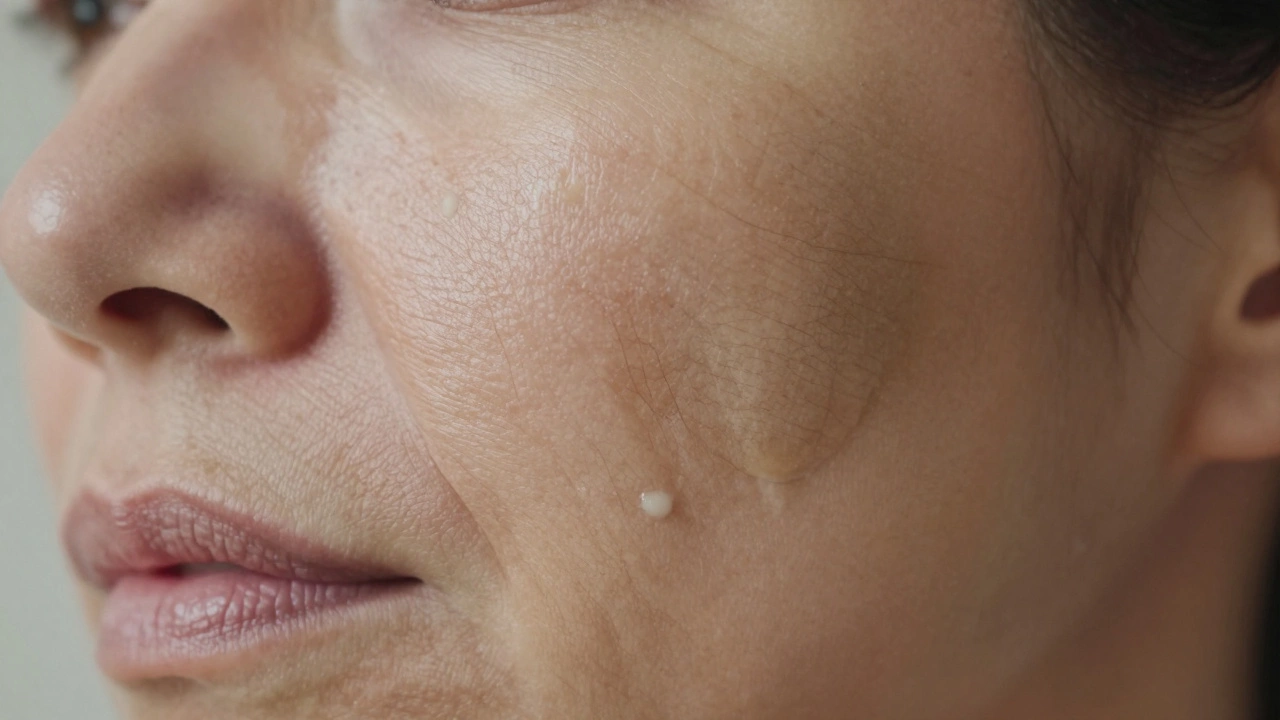
Aging skin isn’t just about wrinkles-it’s about a weakened barrier that struggles to hold moisture. When it comes to CeraVe vs Cetaphil for aging skin, you need more than just brand names. You need to know what each does for your specific skin needs. Let’s cut through the noise and find out which one truly works for aging skin.
What aging skin really needs
As skin ages, it loses natural oils and ceramides. This weakens the protective barrier, leading to dryness, irritation, and fine lines. Without a strong barrier, moisture escapes easily, and environmental damage accelerates. Dermatologists emphasize that repairing this barrier is the foundation of anti-aging skincare. Key ingredients like ceramides, hyaluronic acid, and niacinamide directly address these issues. For example, a 2023 clinical study found that ceramide-based moisturizers reduced transepidermal water loss by 25% in participants over 45 within four weeks. This means your skin stays hydrated longer and feels more resilient.
CeraVe: Barrier Repair Specialist
CeraVe is a dermatologist-recommended skincare brand built around restoring the skin’s natural barrier. Their Moisturizing Cream contains three essential ceramides (1, 3, 6-II) and hyaluronic acid. This isn’t just marketing-it’s science-backed. The ceramides mimic the skin’s natural lipids, while hyaluronic acid attracts moisture. CeraVe’s formulas are non-comedogenic and fragrance-free, making them suitable for daily use. A 2022 study in the Journal of Cosmetic Dermatology showed that participants using CeraVe Moisturizing Cream saw a 30% improvement in skin elasticity after eight weeks. This makes it ideal for dry, flaky aging skin that needs deep repair.
Cetaphil: Gentle Skin Care
Cetaphil takes a different approach. Known for gentle, hypoallergenic formulas, their products are ideal for sensitive skin. The Cetaphil Restorative Night Moisturizer includes peptides and niacinamide. Peptides help stimulate collagen production, while niacinamide reduces redness and improves texture. However, Cetaphil’s standard moisturizers don’t have ceramides. Instead, they rely on glycerin and emollients for hydration. This works well for those with reactive skin, but may not address barrier repair as effectively as CeraVe. For example, a 55-year-old with rosacea-prone skin switched to Cetaphil’s Gentle Skin Cleanser and noticed less sensitivity within days.

Direct Comparison: CeraVe vs Cetaphil
| Feature | CeraVe | Cetaphil |
|---|---|---|
| Key Ingredients | Ceramides 1, 3, 6-II; hyaluronic acid | Glycerin; peptides (in some products) |
| Best For | Dry, barrier-compromised skin | Sensitive, reactive skin |
| Pros | Repairs skin barrier; clinically proven hydration | Hypoallergenic; gentle on irritation |
| Cons | May feel too rich for oily skin | Lacks ceramides in standard formulas |
Which One Should You Choose?
If your skin feels tight and flaky after washing, CeraVe’s ceramide-rich formula is your best bet. For instance, a 62-year-old with chronic dryness saw a 40% improvement in skin hydration using CeraVe Moisturizing Cream in just two weeks. But if you have redness or irritation from other products, Cetaphil’s gentle approach might be safer. A 50-year-old with eczema-prone skin found Cetaphil’s Daily Moisturizing Lotion calmed their skin without triggering reactions. For combination skin, consider using CeraVe during the day and Cetaphil at night-this balances hydration and sensitivity without overwhelming the skin. Remember, aging skin varies; what works for one person may not for another. Always patch-test new products.
Other Considerations
Dermatologists often recommend combining both brands for comprehensive care. Use CeraVe for barrier repair and Cetaphil for gentle cleansing. Also, sunscreen is non-negotiable-aging skin is more vulnerable to UV damage. Look for broad-spectrum SPF 30+ with zinc oxide or titanium dioxide. For deeper wrinkles, consider adding a retinol product, but start slowly to avoid irritation. If you’re unsure, consult a dermatologist. They can analyze your skin’s specific needs and recommend the right products. Remember, skincare is personal; there’s no one-size-fits-all solution.
Frequently Asked Questions
Is CeraVe good for aging skin?
Yes, especially CeraVe Moisturizing Cream. It contains ceramides and hyaluronic acid that repair the skin barrier and lock in moisture. Clinical studies show it reduces transepidermal water loss by up to 25% in aging skin within four weeks. Dermatologists often recommend it for dry, flaky aging skin.
Is Cetaphil good for aging skin?
Yes, particularly Cetaphil Restorative Night Moisturizer. It includes peptides to boost collagen and niacinamide to reduce redness. However, standard Cetaphil moisturizers lack ceramides, so they’re better for sensitive aging skin rather than severe dryness. Many users with rosacea or eczema see immediate relief from irritation.
Which is better for dry skin?
CeraVe. Its ceramide-rich formula restores the skin’s natural barrier, preventing moisture loss. A 2022 study found users with dry aging skin experienced 30% better hydration after eight weeks. Cetaphil’s glycerin-based products hydrate but don’t repair the barrier as effectively for chronic dryness.
Which is better for sensitive skin?
Cetaphil. Its hypoallergenic formulas are designed for reactive skin. The Gentle Skin Cleanser is fragrance-free and non-irritating, making it ideal for those prone to redness or itching. CeraVe is also fragrance-free but may feel too heavy for very sensitive skin types.
Can I use both brands together?
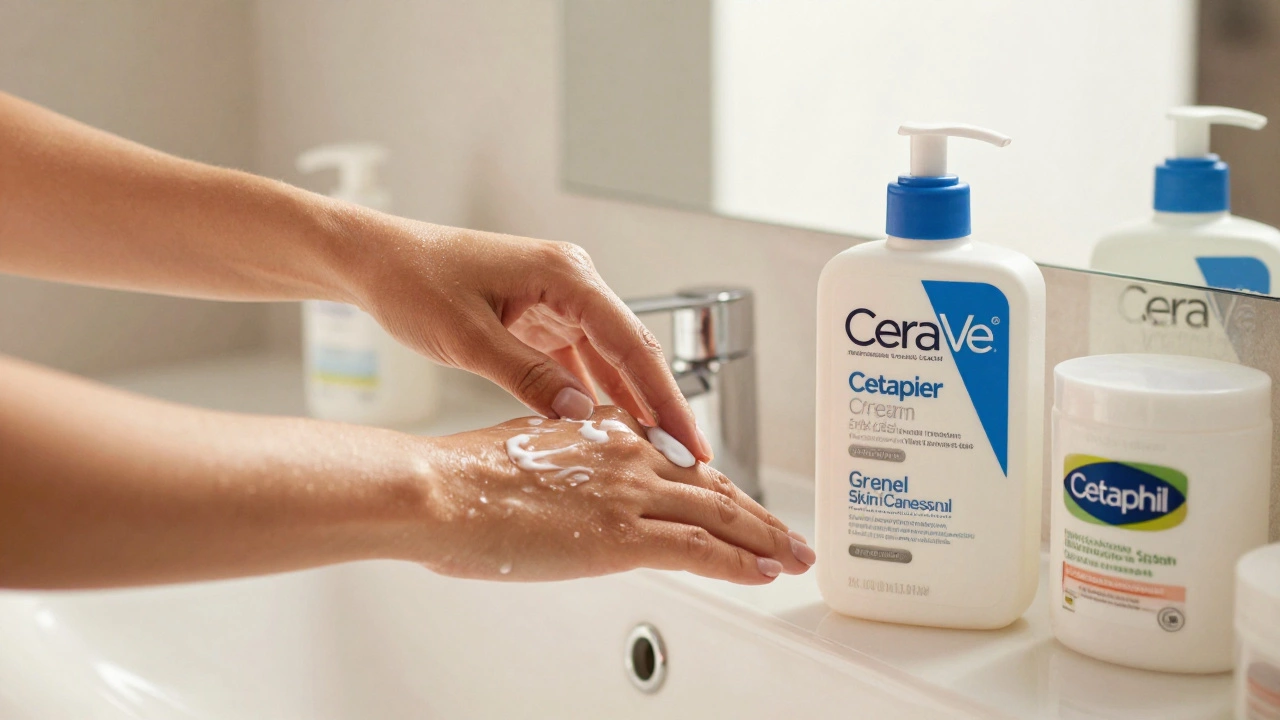
Absolutely. Many dermatologists suggest using CeraVe for barrier repair and Cetaphil for gentle cleansing. For example, wash with Cetaphil Gentle Skin Cleanser and follow with CeraVe Moisturizing Cream. This combination addresses both hydration and sensitivity without overwhelming the skin.
What’s the difference between CeraVe Moisturizing Cream and Cetaphil Moisturizing Cream?
CeraVe Moisturizing Cream contains three ceramides and hyaluronic acid, focusing on barrier repair. Cetaphil Moisturizing Cream uses glycerin and emollients for hydration but lacks ceramides. CeraVe is better for dry, aging skin needing deep repair, while Cetaphil is ideal for daily hydration without heavy ingredients.
Do dermatologists recommend one over the other?
Dermatologists don’t universally prefer one brand. CeraVe is recommended for barrier repair in dry aging skin, while Cetaphil is ideal for sensitive or reactive skin. The choice depends on individual skin conditions. Many dermatologists suggest trying both to see which works best for your unique needs.