Body Type Identifier
Enter your measurements in inches or centimeters (stay consistent with one unit) to discover your body geometry.
Your Result:
Styling Goal:
Enter your measurements to see styling tips.
Recommended Piece:
-
Fill in your measurements and click "Analyze" to see your results here.
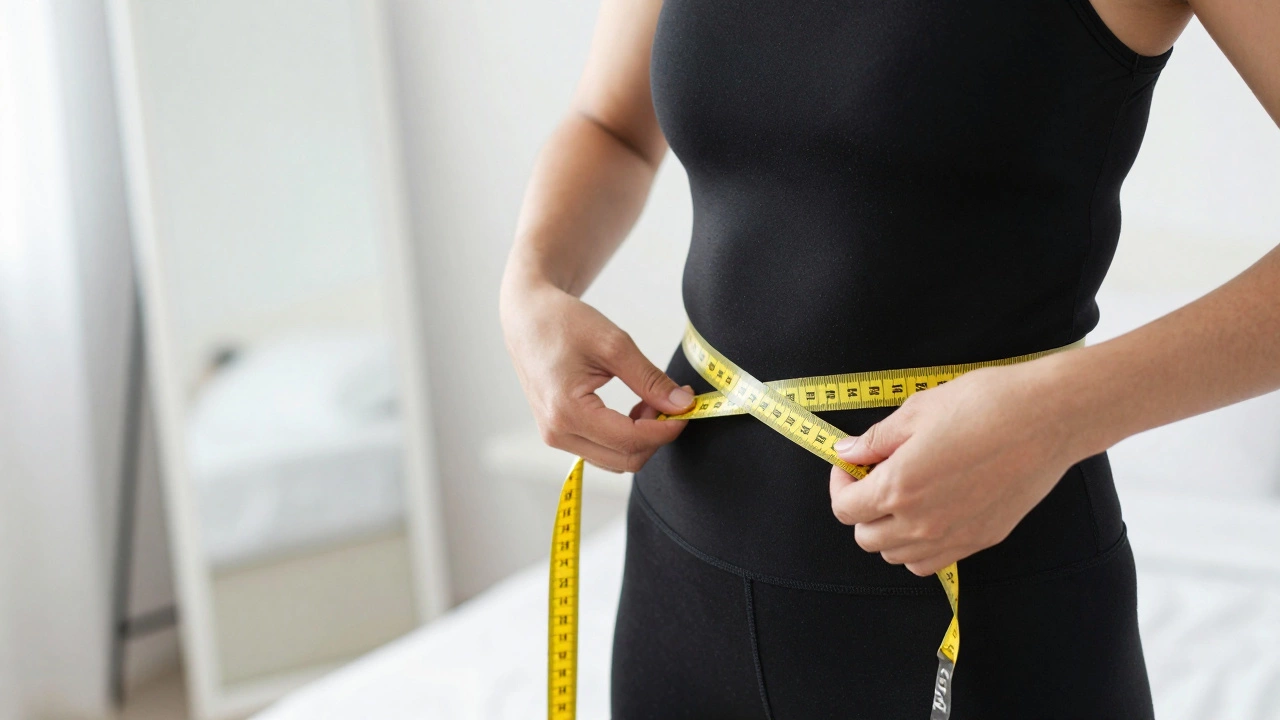
To get this right, you'll need a soft measuring tape and a mirror. Forget the scale; we're looking at proportions, not pounds. You want to measure your shoulders, bust, waist, and hips at their widest and narrowest points. Wear something tight, like leggings and a tank top, so the tape doesn't get caught on loose fabric.
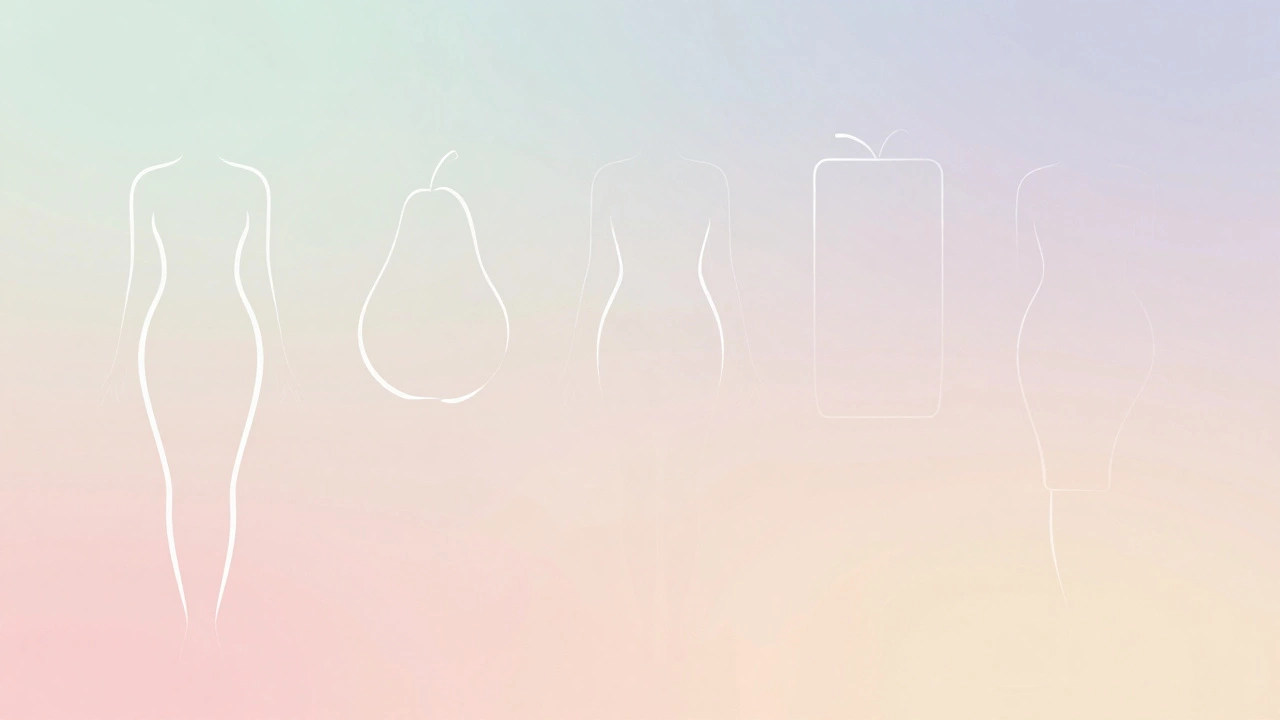
Quick Summary of Body Shapes
- Hourglass: Balanced shoulders and hips with a clearly defined waist.
- Pear (Triangle): Hips are wider than the shoulders and bust.
- Apple (Round): Weight is concentrated in the midsection; slimmer legs.
- Rectangle (Straight): Shoulders, waist, and hips are roughly the same width.
- Inverted Triangle: Shoulders or bust are wider than the hips.
The Step-by-Step Measuring Process
You can't eyeball your proportions because our brains often trick us into seeing what we want to see. To find your body type guide accuracy, you need hard numbers. Grab a notebook and record these four measurements:
- Shoulders: Wrap the tape around the widest part of your shoulders. If you're doing this alone, you might need to use a string and then measure the string against a ruler.
- Bust: Measure around the fullest part of your chest. Keep the tape parallel to the floor.
- Waist: Find the narrowest part of your torso. This is usually an inch or two above your belly button. Don't suck in your stomach; keep it natural.
- Hips: Stand with your feet together and measure the widest part of your hips and buttocks.
Once you have these, look at the ratios. For example, if your hips are 5% or more larger than your shoulders, you're likely a pear shape. If your waist is at least 25% smaller than your bust and hips, you're leaning toward an hourglass. These small mathematical differences change how fabric drapes over your skin.
Understanding the Common Shapes
Now that you have your numbers, let's see where you land. Every body is unique, but these categories help simplify the shopping process.
Hourglass is a body shape where the bust and hips are roughly equal in width, separated by a significantly narrower waist. This shape is naturally balanced. The goal here isn't to create shape-you already have it-but to highlight the waist without adding bulk to the hips or chest. High-waisted pants and wrap dresses are your best friends because they follow your natural lines.
Pear Shape, also known as the Triangle, is characterized by hips that are wider than the shoulders and bust. If you find that pants always fit in the hips but are too big in the waist, this is you. The trick is to draw the eye upward. A boat-neck top or a structured blazer adds volume to the top half, balancing out the wider base of the body.
Apple Shape is a silhouette where the widest part of the body is the midsection, often accompanied by slimmer arms and legs. Instead of trying to hide the midsection with giant, baggy shirts-which actually makes you look larger-try empire waists or structured A-line dresses. Showing off your legs is a great way to leverage your natural assets.
Rectangle Shape occurs when the shoulders, bust, and hips are similar in width with little waist definition. This is often called an athletic build. Since there's less natural curve, you can use clothing to create them. Belts, peplum tops, and skirts with volume (like circle skirts) can mimic an hourglass look if that's what you're going for.
Inverted Triangle is the opposite of the pear, where the upper body is wider than the lower body. Broad shoulders or a large bust are the hallmarks here. To balance this, you want to add volume to the bottom. Wide-leg trousers, cargo pants, or full skirts prevent the "top-heavy" look and create a more harmonious silhouette.
Comparison of Body Type Characteristics
| Body Type | Key Attribute | Styling Goal | Ideal Clothing Piece |
|---|---|---|---|
| Hourglass | Defined Waist | Highlight curves | Wrap Dresses |
| Pear | Wide Hips | Balance top/bottom | Boat-neck Tops |
| Apple | Full Midsection | Elongate torso | Empire Waist Tops |
| Rectangle | Straight Lines | Create definition | Belts & Peplums |
| Inverted Triangle | Broad Shoulders | Add volume below | Wide-leg Pants |
Common Pitfalls When Determining Shape
One of the biggest mistakes people make is confusing their body type with their size. You can be a size 2 or a size 22 and still be a pear shape. The proportions remain the same regardless of the number on the tag. If you only look at the mirror, you might miss the subtle differences that a measuring tape reveals. For instance, someone might think they are a rectangle because they don't have a "tiny" waist, but once they measure, they realize their hips are significantly wider than their shoulders, making them a pear.
Another trap is trying to fit into a category perfectly. Most of us are a blend. You might have the shoulders of an inverted triangle but the hips of a rectangle. In these cases, look at your most dominant feature. If your shoulders are the most prominent part of your frame, use the inverted triangle rules first, then tweak them based on your other measurements.

How to Use This Information While Shopping
Knowing your shape changes the way you look at a clothing rack. Instead of asking "Does this look cute on the mannequin?" you ask "Does this create the balance my body needs?"
If you're a pear and you see a massive, oversized sweater, remember that it will hang off your shoulders and then billow over your hips, which can actually make you look wider. A cropped, fitted sweater that hits right above the hip would be a better choice. If you're an apple and you see a tight bodycon dress, don't be afraid of it-just pair it with a structured jacket that hits at the mid-hip to create a more streamlined look.
Fabric choice also matters. Stiffer fabrics like heavy denim or structured wool hold their own shape, which is great for rectangles wanting to create curves. Softer, draping fabrics like silk or jersey are excellent for hourglasses who want to skim their curves without adding extra volume.
Can my body type change over time?
Yes, it can. Changes in muscle mass, weight gain or loss, and hormonal shifts (especially during pregnancy or menopause) can shift where your body stores fat. For example, someone who was a rectangle in their 20s might become a pear shape as they age. It's a good idea to re-measure yourself once a year to keep your wardrobe current.
What if my measurements are almost identical?
If your bust, waist, and hips are within an inch or two of each other, you most likely have a rectangle shape. This is very common for athletes or people with a shorter torso. The focus for this shape is adding visual interest to the waistline to create the illusion of more curves.
Do I have to follow these rules strictly?
Absolutely not. These are guidelines based on visual balance, not laws. The most important part of style is confidence. If you love a piece of clothing that "doesn't fit" your body type rules, wear it anyway. These tips are meant to help you find things you love more easily, not to restrict your creativity.
How do I measure my waist if I don't have a narrow point?
If you don't have a clear indent, measure the area just above your belly button. This is generally where the natural waist resides. If you're an apple shape, this will be your widest point, but it's still the correct reference point for comparing your torso to your hips and shoulders.
Does footwear affect how my body type looks?
It does! For example, pear shapes can balance their look with a slightly chunkier shoe or a heel to add height and lift the silhouette. Inverted triangles can wear slimmer shoes to avoid adding too much bulk to the bottom if they've already balanced their hips with wide-leg pants.
Next Steps for Your Style Journey
Once you've identified your shape, don't go out and throw away half your closet. Instead, start a "wish list" of items that suit your new knowledge. Next time you shop, try a "wildcard" piece-something you usually avoid but that fits your body type guidelines. A pear-shaped person might try a bold, ruffled shoulder top, or a rectangle might try a belted blazer.
If you're still unsure, take photos of yourself in different outfits from the front and side. Sometimes a photo reveals the silhouette more clearly than a mirror does. Once you see the patterns of what works, you'll find that shopping becomes much faster and your confidence in what you wear will skyrocket.