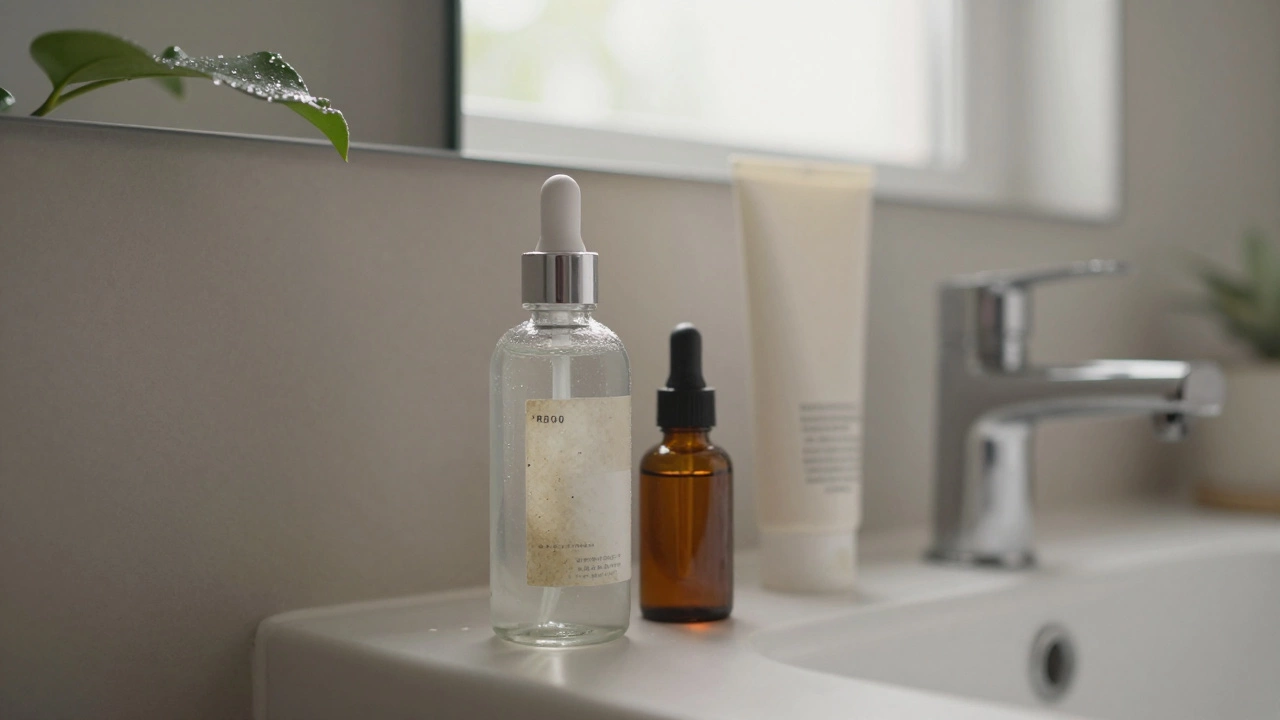
You’ve got your cleanser, your moisturizer, maybe even a sunscreen. But that little bottle of serum? The one that costs more than your coffee habit for a month. You’re staring at it, wondering: can I skip serum? The short answer? Sometimes. But not because it’s optional-it’s because most people use it wrong.
What even is a serum?
A serum isn’t just a fancy moisturizer. It’s a concentrated treatment packed with active ingredients designed to target specific skin issues: dark spots, fine lines, dullness, dehydration, or breakouts. Unlike creams, serums have smaller molecules that penetrate deeper into the skin. They’re not meant to hydrate or seal in moisture-they’re meant to deliver powerful ingredients where they actually work.Think of your skin like a building. Cleanser is the sweep, moisturizer is the paint, and serum is the rebar inside the walls. You can have a pretty facade without rebar, but the structure won’t hold up long-term.
Why people want to skip serum
Let’s be real. Serums are expensive. A good vitamin C serum can set you back R800. Some people think they’re just paying for marketing. Others feel like their skin is fine without it. And then there’s the layering fatigue-cleanser, toner, essence, serum, moisturizer, oil, sunscreen. It feels like a full-time job.Here’s the truth: if your skin looks healthy, feels balanced, and you’re not chasing specific results like fading acne scars or brightening dullness, you might not need a serum right now. But if you’re noticing changes-more fine lines, uneven tone, persistent dryness-that’s your skin asking for help. And serums are the most direct way to give it.
When skipping serum works
There are real situations where skipping serum is fine:- You’re in your teens or early 20s with clear, oily skin and no major concerns.
- Your moisturizer already has potent actives like niacinamide, hyaluronic acid, or retinol built in.
- You’re on a tight budget and prioritizing sunscreen and a good cleanser.
- Your skin is sensitive and reacting to too many products.
In these cases, you can absolutely skip serum-especially if you’re consistent with SPF. Sun protection is still the #1 anti-aging step, and no serum can replace it.

When skipping serum backfires
But here’s where things go wrong: people skip serum because they think their moisturizer is enough. That’s like using a sponge to mop up a flooded kitchen. Moisturizers are designed to hydrate and protect the barrier. They’re not formulated to deliver high concentrations of active ingredients.For example:
- If you’re trying to fade post-acne marks, a niacinamide serum works faster than any moisturizer with 2% niacinamide.
- If your skin looks tired and gray, a vitamin C serum can brighten it in weeks. Moisturizers rarely have enough vitamin C to make a difference.
- If you’re over 30 and noticing texture changes, a peptide or retinol serum is more effective than a hydrating cream.
A 2023 study in the Journal of Clinical and Aesthetic Dermatology showed that participants using a vitamin C serum daily for 12 weeks saw a 38% improvement in skin brightness and a 24% reduction in fine lines-without changing their moisturizer. The moisturizer alone didn’t move the needle.
What to do instead of skipping serum
You don’t have to buy a luxury serum. You don’t need five of them. You just need one that solves your actual problem.Start by asking yourself: what’s my biggest skin concern right now?
- Dullness or dark spots? Look for vitamin C (10-20%), niacinamide (5%), or tranexamic acid.
- Fine lines or loss of firmness? Try peptides, bakuchiol, or low-dose retinol (0.1-0.3%).
- Dryness or tightness? Hyaluronic acid (in a water-based formula) is your best friend.
- Breakouts or redness? Niacinamide or azelaic acid are gentler than harsh spot treatments.
Then pick one. Not three. One. Apply it after cleansing, before moisturizing. Use it every morning or every night-not both, unless your skin can handle it. Start slow: two to three times a week. Build up. Listen to your skin.
Myths about serums
There are a lot of myths floating around:- "Serums are only for older skin." False. Skin damage starts in your 20s. Prevention is easier than repair.
- "I don’t need serum if I eat well and drink water." Nutrition helps, but topical actives work differently. You can’t eat your way to fading dark spots.
- "More layers = better results." No. Layering five serums can irritate your skin. One targeted serum beats five random ones.
- "Serums dry out my skin." That’s usually because you’re not following with moisturizer. Serums prep your skin-they don’t replace hydration.
What to look for on the label
Don’t get tricked by fancy packaging. Check the ingredient list:- The first few ingredients after water should be the active ones.
- Avoid serums with alcohol (ethanol, SD alcohol) as the second ingredient-it strips your skin.
- Look for concentrations: 10-20% vitamin C, 5% niacinamide, 0.1-0.5% retinol are proven ranges.
- Stability matters. Vitamin C should be in dark glass bottles. If it’s clear plastic and looks yellow, it’s oxidized and useless.
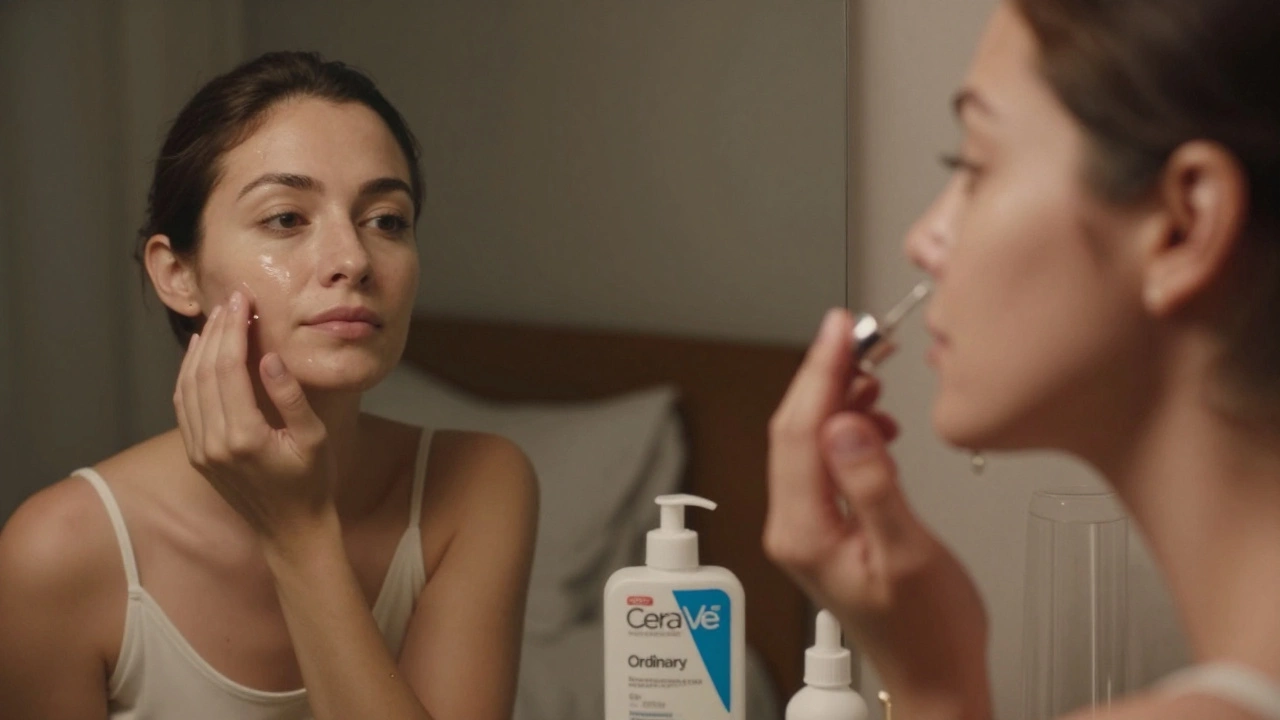
Brands like The Ordinary, CeraVe, and Paula’s Choice offer affordable, science-backed options. You don’t need to spend R1,500 to get results.
Real-life example: My client’s skin turned around
A client in Durban came to me with dull, uneven skin and persistent redness. She was using a cleanser, a cheap moisturizer, and sunscreen. She thought serums were a waste. I asked her to try one thing: a 5% niacinamide serum every night. She was skeptical. After three weeks, she said, "I didn’t think it would do anything. But my skin just… looks calmer. Less blotchy." After two months, her makeup went on smoother. No new breakouts. Her confidence improved.She didn’t change her diet. Didn’t start yoga. Didn’t buy a new pillow. Just added one serum.
Can you skip serum? Yes-but only if you know why
You can skip serum if your skin is happy and you’re not chasing change. But if you’re noticing anything off-dullness, texture, tone, dryness, sensitivity-that’s your skin telling you it needs more than just hydration. Serums aren’t a luxury. They’re targeted care.Don’t skip serum because it’s expensive. Skip it because you’ve chosen to accept your skin as it is. But if you want it to improve? One serum, used consistently, can do more than five expensive creams.
Start small. Pick one concern. Pick one serum. Use it for 6 weeks. Then decide.
Can I skip serum if I use a moisturizer with retinol?
Maybe. But most moisturizers contain very low concentrations of retinol-often less than 0.1%. A dedicated retinol serum typically has 0.1-0.5%, which is the range shown to work in clinical studies. If your moisturizer has retinol and your skin is improving, keep it. If you’re not seeing results after 8 weeks, switch to a serum with a higher, proven dose.
Is serum necessary for oily skin?
Yes, especially if you have acne scars, enlarged pores, or dullness. Oiliness doesn’t mean your skin is healthy. A lightweight serum with niacinamide or salicylic acid can regulate oil production and clear pores better than heavy creams. Skip the heavy moisturizer, not the serum.
Can I use serum without moisturizer?
Not for long. Serums deliver actives, but they don’t lock in moisture. Without a moisturizer, your skin can lose water, especially in dry climates or air-conditioned rooms. Always follow serum with a moisturizer-even if it’s light. Your skin barrier needs that seal.
What if my serum stings?
Mild tingling for the first few uses is normal with strong actives like vitamin C or retinol. But burning, redness, or peeling means you’re irritating your barrier. Stop using it. Switch to a gentler formula or lower concentration. Always patch test on your jawline first.
How long until I see results from a serum?
It depends on the ingredient. Hyaluronic acid gives instant plumping. Niacinamide shows improvement in 2-4 weeks. Vitamin C brightens skin in 4-6 weeks. Retinol and peptides take 8-12 weeks. Patience is key. If you don’t see changes after 12 weeks, the serum isn’t right for your skin or your concern.
If you’ve been skipping serum because you thought it didn’t matter, try this: pick one serum that matches your biggest skin issue. Use it for six weeks. Write down what changes you notice. You might be surprised.