Eco Purchases: Smart Ways to Buy Sustainably and Reduce Your Impact
When you make an eco purchase, a conscious decision to buy products that minimize harm to the environment. Also known as green shopping, it’s not just about labels—it’s about asking: Where did this come from? What did it cost the planet? And what happens when I’m done with it? Most people think eco purchases mean spending more on fancy reusable bottles or organic cotton towels. But the real shift isn’t in what you buy—it’s in how you think about buying at all.
True sustainable living, a lifestyle focused on reducing environmental impact through daily choices starts before you even reach the checkout. It’s about asking if you need the item at all. Thrifting, repairing, borrowing, or swapping often beats buying new—even if the new thing is labeled "eco-friendly." That’s why posts here look at how eco-friendly products, items designed to have lower environmental impact across their lifecycle actually perform in real life. Is bamboo really better than plastic? Does recycled polyester still shed microplastics? And why does "biodegradable" sometimes mean nothing at all? These aren’t just questions—they’re the foundation of smart eco purchases.
Then there’s responsible consumption, the practice of choosing goods and services that align with ethical and environmental values. It’s not about perfection. It’s about progress. One less plastic bag. One more item bought secondhand. One meal planned to avoid waste. These small moves, repeated, change systems. The posts below don’t sell you a dream—they show you the messy, practical truth. You’ll find real talk on thrifting, meal prep that cuts waste, how to spot greenwashing, and why your wallet is your most powerful tool for change. No fluff. No guilt. Just clear, actionable ways to make your next purchase mean something.
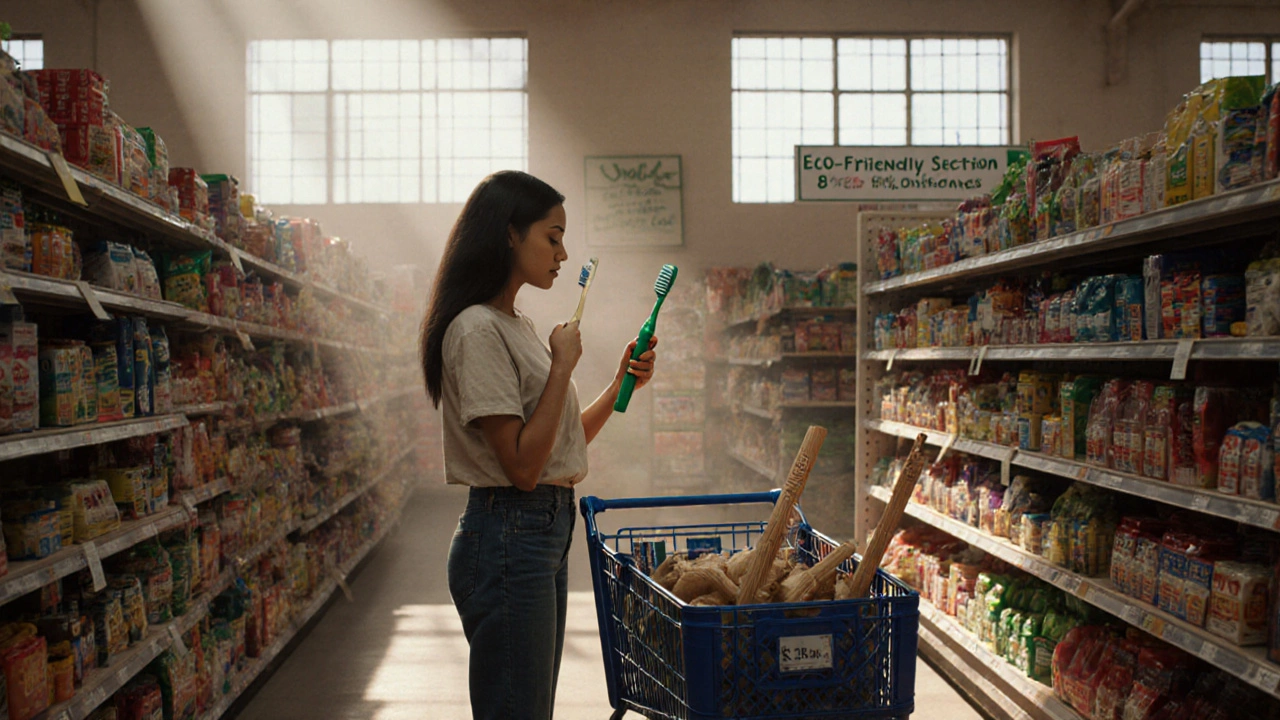
Do People Really Buy Eco-Friendly Products? The Truth Behind the Green Shopping Trend
Many say they want to buy eco-friendly products, but do they actually do it? This article explores the real buying habits behind green consumerism, price barriers, greenwashing, and who’s truly making the switch in 2025.