Environmentally Conscious Buyers: What It Really Means and How to Shop Smarter
When you become an environmentally conscious buyer, someone who makes purchasing decisions based on environmental impact, ethical sourcing, and long-term sustainability. Also known as green consumer, it means you’re not just avoiding plastic bags—you’re asking who made your shirt, where your coffee beans came from, and if that ‘biodegradable’ package will actually break down in nature. This isn’t a trend. It’s a shift in how people live, and it’s growing fast.
True sustainable living, a lifestyle focused on reducing harm to the planet through daily choices doesn’t require perfection. It’s about progress. You don’t need to buy everything secondhand to make a difference. But you do need to know the difference between eco-friendly products, items designed to have minimal negative impact on the environment during production, use, and disposal and greenwashing. That bottle labeled ‘natural’? It might still contain microplastics. That ‘recycled’ tote bag? It could have taken 1,000 liters of water to make. The real green shopping, the practice of choosing goods and services with lower environmental footprints means looking past labels and asking: How long will this last? Can it be repaired? Was it made under fair conditions?
People who shop this way aren’t just buying things—they’re voting with their wallets. They’re supporting brands that pay fair wages, use renewable energy, and design for repair instead of replacement. And they’re avoiding fast fashion, single-use plastics, and products made with toxic chemicals. You’ll find that many of the articles below dive into exactly these choices: how thrifting cuts waste, why ESG matters beyond corporate reports, what really makes a product sustainable, and how small daily habits add up to big change.
There’s no single right way to be an environmentally conscious buyer. But there are clear wrong turns—like buying more ‘eco’ stuff just because it’s trendy, or thinking you have to go zero-waste overnight. The real power comes from consistency, not extremes. Whether you’re trying to cut down on food waste, choose better skincare, or just understand what’s actually good for the planet, the posts here give you practical, no-fluff guidance. You’ll learn what works, what doesn’t, and how to make smarter choices without feeling overwhelmed.
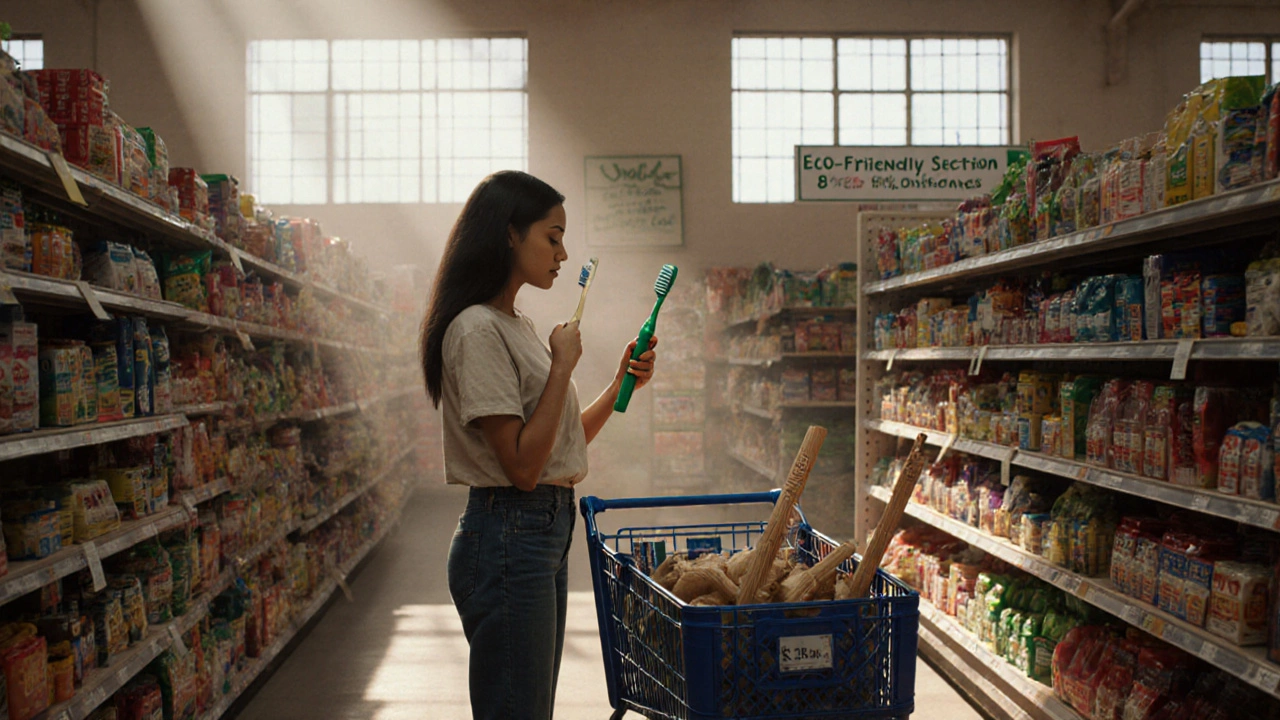
Do People Really Buy Eco-Friendly Products? The Truth Behind the Green Shopping Trend
Many say they want to buy eco-friendly products, but do they actually do it? This article explores the real buying habits behind green consumerism, price barriers, greenwashing, and who’s truly making the switch in 2025.