London Payment Cost Calculator
Calculate Your Payment Costs
See how much you'll pay when using cash versus card in London
Cost Comparison
Your calculations assume:
- London's contactless limit is £100 (as of 2026)
- Most vendors accept contactless cards
- Card payments avoid ATM fees and exchange markups
Savings
You'll save £0.00 by using a card instead of cash
Tip: If you withdraw £100 using an ATM, you'll pay £2.50 in fees + £2.50 in transaction fees (at 2.5%), totaling £5.00 in extra costs!
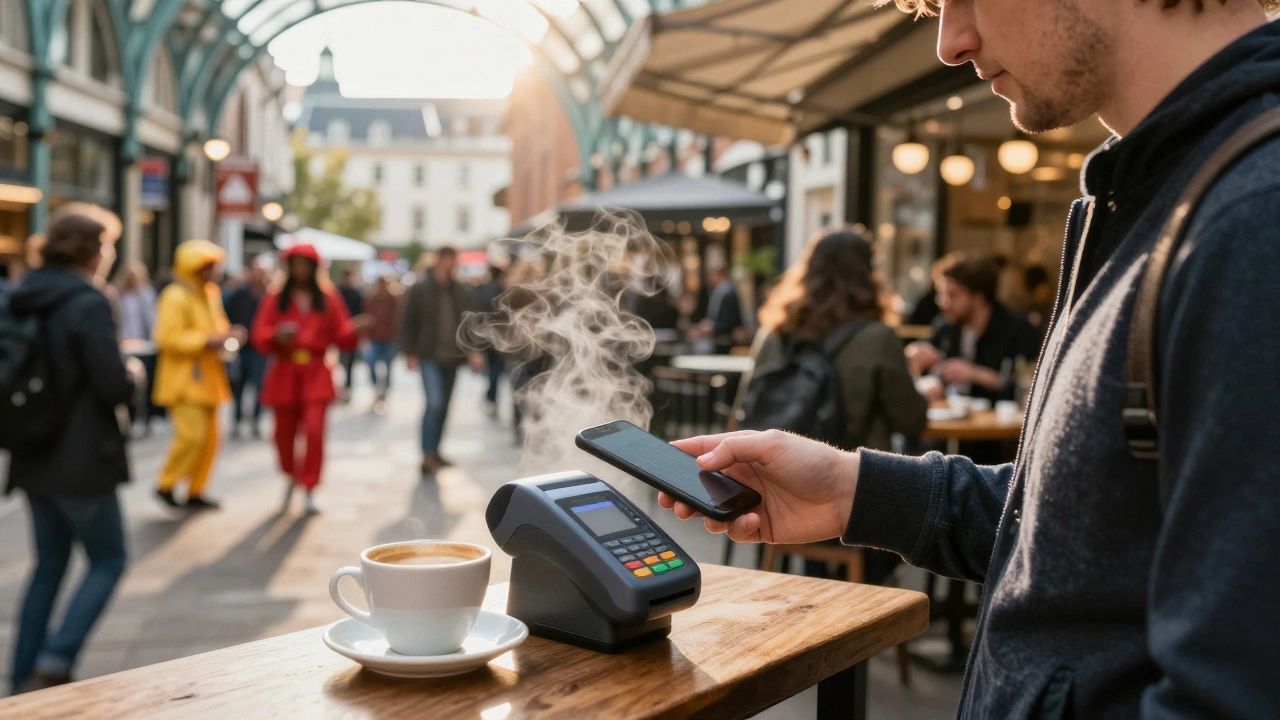
Walking through Covent Garden or hopping on the Tube in London, you might find yourself staring at a queue at a small café wondering: should I dig out my wallet for cash or just tap my card? It’s 2026, and London has changed-but not as much as you think.
Most places in London don’t need cash anymore
You can pay for a coffee at Pret, a sandwich at Tesco, a bus ride, or even a street performer’s hat drop with your phone or card. Contactless payments are everywhere. The limit for contactless transactions in the UK is £100, and most vendors don’t even ask if you have cash. Even small stalls at Camden Market or Borough Market have card readers hanging off their carts. In fact, a 2025 UK Finance report showed that 87% of all in-person transactions in London were contactless-up from 63% just five years ago.
There are still a few places that take cash, but they’re shrinking fast. You’ll mostly find them in older, independent shops, some charity shops, or at the very back of a pub where the landlord still keeps a tin on the counter. But even then, most of those places have a card reader tucked under the counter. If you ask for cash, they’ll usually say, “We’ve got a machine right here.”
When you actually need cash in London
There are three real cases where cash still matters. First, parking meters in some outer boroughs like Croydon or Barking still only take coins. Second, some small street food vendors-especially those operating from vans or temporary stalls-might not have reliable card machines due to poor signal or high fees. Third, tipping. While it’s not expected in most places, if you want to leave a few pounds for a taxi driver or a waiter who went above and beyond, having a £5 or £10 note in your pocket makes it easier.
And yes, there are still a handful of public toilets in central London that require 20p coins. You’ll find them near tourist spots like Trafalgar Square or the South Bank. But even those are being replaced with pay-by-app systems. If you’re worried, keep a couple of coins in your pocket just in case.
Card payments are safer and cheaper
Carrying cash means carrying risk. Lose your wallet, and you lose everything. Lose your card, and you can freeze it in minutes using your bank’s app. London has one of the lowest rates of petty theft in Europe, but it still happens. A pickpocket doesn’t care if you’ve got £200 in notes or a £500 credit limit-they’ll take what’s easiest.
Also, using your card avoids hidden fees. Many travelers think they’re saving money by withdrawing cash from ATMs abroad, but that’s not true. Most UK ATMs charge a fee of £1.50 to £3 per withdrawal. On top of that, your bank might add a 2.5% foreign transaction fee. So if you pull out £100, you could end up paying £4 in fees just to get that cash. Meanwhile, paying directly with a no-foreign-fee card (like Revolut, Monzo, or Starling) costs you nothing extra.
ATMs are everywhere-but don’t use them unless you have to
You’ll find ATMs on nearly every corner in London. But if you’re using a foreign card, you’re better off using your card directly for purchases. Every time you withdraw cash, you’re paying twice: once for the ATM fee, and again for the bad exchange rate your bank gives you. Banks don’t use the real exchange rate-they add a markup. You could be losing 5% or more on every withdrawal.
Instead, set up a travel-friendly account before you leave. Apps like Wise or Revolut let you load pounds at the real exchange rate and spend them like local money. You can even lock in rates ahead of time. And if you run out, you can top up from your phone while standing in line for the Tower Bridge.
What about tourists who don’t have contactless cards?
If you’re traveling with an older card that doesn’t support contactless, or you’re from a country where chip-and-PIN isn’t common, don’t panic. London’s payment system is built for visitors. Most card terminals ask for a PIN, but if you don’t have one, just tap or sign. Many machines will accept a signature-even if you’re not used to it. If you’re unsure, just say, “I don’t have a PIN,” and the cashier will guide you.
For those who still prefer cash, you can buy prepaid travel cards like the London Travelcard or the Post Office Cash Passport. These let you load pounds before you arrive, avoid ATM fees, and lock in exchange rates. But they’re not as flexible as a regular debit card. You can’t use them to pay for Uber, train tickets via the TfL app, or some smaller vendors who only accept digital payments.
How much cash should you carry?
If you’re going to rely mostly on cards (and you should), bring no more than £50 in cash. That’s enough for the rare coin-operated toilet, a tip, or an emergency if your phone dies and your card gets declined. Keep it in a separate pocket or money belt-not in your main wallet. That way, if you lose your wallet, you still have a backup.
And don’t feel bad if you don’t use it. Many travelers leave London with their £50 still untouched. That’s not a failure-it’s a sign you did it right.
Real traveler stories
One visitor from Texas told me she refused to carry cash because she thought it was “old-fashioned.” She got stuck at a small tea house in Greenwich that only took cash. She had to walk 15 minutes to the nearest ATM, missed her booked tour, and ended up paying £8 in fees just to get £20. She said, “I thought I was being smart. Turns out I was just stubborn.”
Another guy from Japan carried £200 in cash because he didn’t trust foreign cards. He lost it in a crowded Underground station. He spent two days filing reports, calling his bank, and waiting for replacements. He ended up using a prepaid card for the rest of the trip-and swore he’d never do it again.
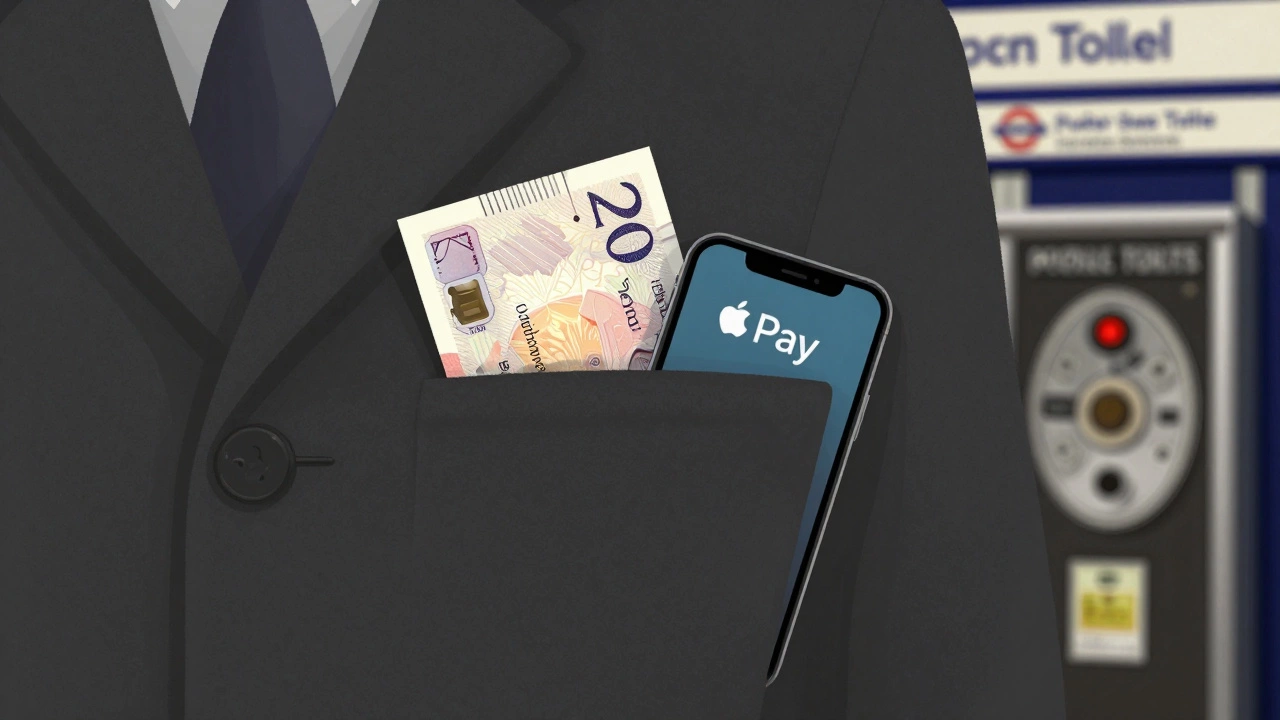
Most people who get it right? They carry one card, one phone with Apple Pay or Google Pay, and a single £20 note in their coat pocket. That’s it.
Final rule: Trust the system
London isn’t a cash-only city anymore. It’s not even mostly cash. It’s a digital-first city with a few old-school corners. The system works. Your card will work. Your phone will work. The machines are reliable. The networks are strong. The staff are used to foreigners.
You don’t need to carry cash because you’re afraid. You don’t need to withdraw money because you think you should. You just need to show up with a working card and a little common sense.
Tap. Walk. Enjoy. London doesn’t care how you pay-it just wants you to be there.
Do I need to carry cash in London in 2026?
No, you don’t need to carry cash. Most places-coffee shops, supermarkets, public transport, and even street vendors-accept contactless cards and mobile payments. Cash is only useful in rare cases, like some parking meters, old public toilets, or tipping. Keeping £20-£50 on hand is enough for emergencies.
Is it cheaper to use cash or card in London?
It’s almost always cheaper to use a card. Withdrawing cash from ATMs often costs £1.50-£3 per transaction plus a 2-3% foreign fee. Paying directly with a no-foreign-fee card like Revolut or Wise avoids these charges and gives you the real exchange rate. You’ll save money and avoid the hassle.
Can I use my U.S. debit card in London?
Yes, if it has a chip and supports contactless payments. Most U.S. debit cards now have chips, but if yours doesn’t, you may need to use PIN entry. Always check with your bank before you travel-some banks block foreign transactions by default. Notify them you’re going to London to avoid your card being frozen.
What’s the best way to get pounds before traveling?
The best way is to use a travel-friendly app like Wise, Revolut, or Monzo. Load pounds before you leave at the real exchange rate. You can spend directly with your card or withdraw cash at ATMs with minimal fees. Avoid exchanging cash at airports or hotels-they have the worst rates and highest fees.
Are there places in London that only accept cash?
Very few. A handful of street food vans, some charity shops, and older parking meters might still require cash. Public toilets in tourist areas sometimes take 20p coins. But even these are being replaced with digital options. If you’re unsure, just ask-most places now have a card reader even if they don’t advertise it.
Should I tip in cash or card in London?
Tipping isn’t required in London, but if you want to leave one, cash is easier. Most restaurants and bars include a service charge (usually 12.5%), so tipping is optional. If you’re tipping a taxi driver or a waiter who went out of their way, a £2-£5 note is appreciated. You can tip by card, but it’s less common and sometimes awkward to add on a receipt.