Functional Fitness: Real-World Strength for Everyday Life
When we talk about functional fitness, a training approach focused on movements that mimic real-life activities. Also known as movement-based training, it’s not about lifting the heaviest weight or doing the most reps—it’s about building strength that actually helps you carry groceries, lift kids, climb stairs, or get up from the floor without groaning. This isn’t gym theater. It’s practical, no-fluff fitness that shows up in your daily life.
Functional fitness includes full-body workouts, exercises that engage multiple muscle groups at once. Also known as compound movements, they’re the backbone of this style—squats, lunges, pushes, pulls, and hinges. These aren’t just exercises; they’re survival skills. Think of them as your body’s toolkit. If you can squat well, you can sit and stand safely. If you can hinge at the hips, you can lift a suitcase without wrecking your back. And if you can push and pull with control, you can open heavy doors or stabilize yourself on slippery pavement. This is strength with purpose. It’s also closely tied to movement patterns, the basic ways your body naturally moves. Also known as fundamental movement patterns, these include pushing, pulling, rotating, and balancing. Functional fitness trains these patterns, not isolated muscles. That’s why it works better than machine-based routines for real-world results. You’re not just building muscle—you’re building reliability in your body.
What makes functional fitness different isn’t the equipment—it’s the intention. You don’t need a fancy gym. A pair of dumbbells, a resistance band, or even your own body weight can be enough. It’s why so many people turn to it when they’re short on time, working from home, or recovering from injury. It’s also why it shows up in posts about 4/30/10 method workouts, full-body toning machines, and mindful exercise. Those aren’t random topics—they’re all connected. Whether you’re doing a quick circuit at home or focusing on breath while you move, the goal is the same: move better, feel stronger, live easier.
And here’s the truth: you don’t have to be an athlete to benefit. Functional fitness meets you where you are. If you’re 25 and training for a race, or 65 and trying to keep up with your grandkids, this approach adapts. It’s scalable, sustainable, and silent—no loud machines, no flashy claims. Just movement that matters.
Below, you’ll find real advice from people who’ve tried it: how to make it stick, what tools actually help, and how to avoid the traps that make fitness feel like a chore. These aren’t theory pieces—they’re lived experiences. Whether you’re looking to build strength without equipment, reduce back pain, or just move through your day without fatigue, what’s here will show you how.
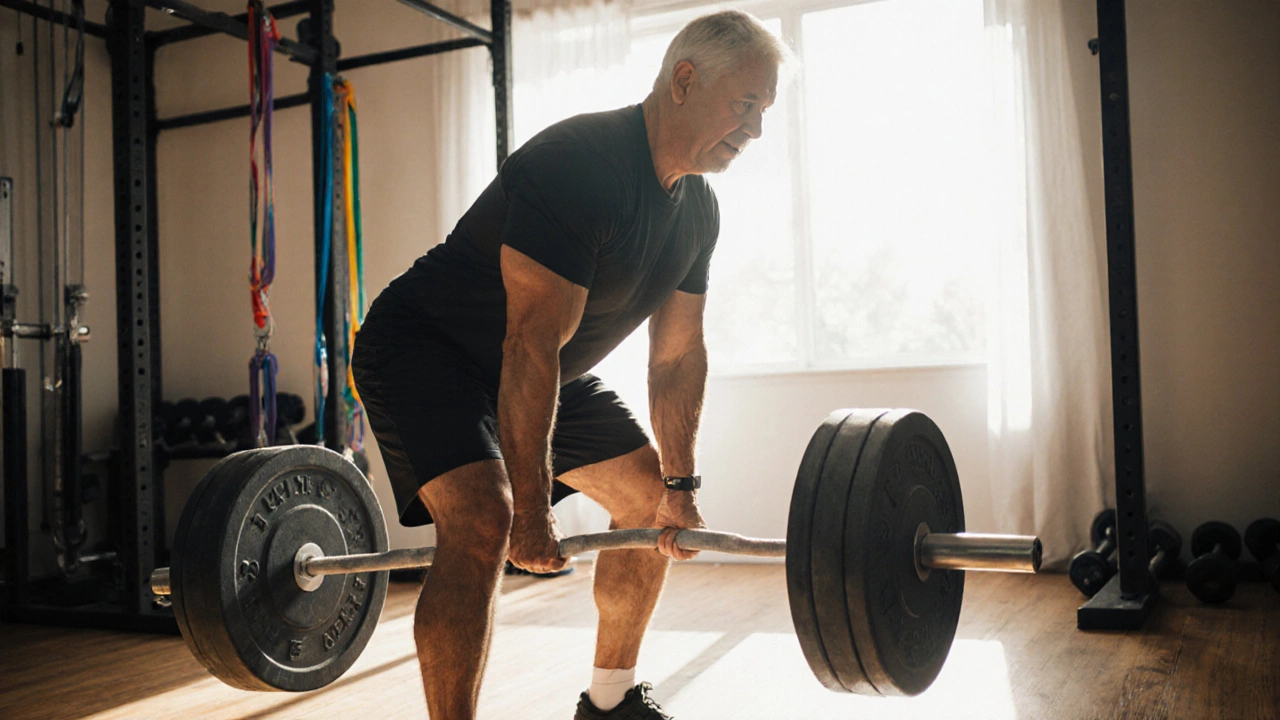
What Is the Best Exercise for Your Whole Body?
The deadlift is the most effective full-body exercise, building strength, improving posture, and preventing injury. Learn how to do it right, alternatives if you can't use a barbell, and why it beats every other workout.