Weight Gain Calorie Calculator
This tool calculates your daily calorie needs based on your personal details and provides practical suggestions to help you gain weight healthily. Follow the article's advice to build consistent, nutrient-dense meals without relying on junk food.
Your Calorie Needs
Based on your profile, you need approximately calories per day to maintain your current weight.
To gain weight healthily, aim for calories per day.
Practical Food Suggestions
Here are calorie-dense foods from the article to add to your meals:
Remember:
Weight gain isn't about quantity alone—it's about quality. Focus on nutrient-dense foods like those listed above rather than empty calories. Aim for 0.5-1 pound gain per week for sustainable results.
If you're losing weight when you don't want to, food isn't just about nutrition-it's your tool for change. You might be eating healthy, but if you're not eating enough, your body keeps burning through what little fuel you give it. This isn't about junk food or quick fixes. It's about stacking calories in smart, satisfying ways so your body finally has what it needs to rebuild and hold on.
Why You're Losing Weight (Even If You're Eating)
Many people assume they’re eating enough because they’re not skipping meals. But if your body is burning 2,500 calories a day and you’re only eating 1,800, you’re in a deficit-even if you’re eating salads, grilled chicken, and quinoa. Weight loss happens when your energy intake is lower than your energy output. That’s it.
Some people naturally have fast metabolisms. Others are active-walking all day, working physically, or exercising hard without realizing how much they’re burning. Stress, thyroid issues, or even undiagnosed digestive problems can also play a role. But if you’ve ruled out medical causes and still can’t hold weight, the fix starts at your plate.
Stop Counting Calories-Start Adding Calories
Counting calories can backfire when you’re trying to gain. Instead of obsessing over numbers, focus on adding calorie-dense, nutrient-rich foods to everything you already eat. Think of it like building a house-you’re not replacing the foundation, you’re adding layers.
Here’s how:
- Add nut butter to toast, apples, or oatmeal
- Drizzle olive oil or avocado oil on vegetables, rice, or pasta
- Blend whole milk or full-fat yogurt into smoothies
- Snack on dried fruit, trail mix, or cheese sticks between meals
- Choose whole eggs over just egg whites
- Use full-fat dairy instead of low-fat versions
These aren’t extras-they’re upgrades. One tablespoon of olive oil adds 120 calories. Two tablespoons of almond butter? Another 190. You don’t need to eat more meals. You just need to make each bite count more.
High-Calorie, Nutrient-Dense Foods That Actually Work
Not all calories are equal. You want foods that pack in energy without filling you up too fast. Here’s what works:
- Avocados - One medium avocado has about 240 calories and healthy fats that help your body absorb nutrients. Mash it on toast, blend it into smoothies, or slice it into salads.
- Nuts and seeds - Almonds, walnuts, cashews, pumpkin seeds, and sunflower seeds are calorie bombs. A quarter cup of almonds is nearly 200 calories. Keep a small jar at your desk or in your bag.
- Dried fruit - Raisins, dates, apricots, and figs are concentrated sugar and fiber. Two tablespoons of raisins = 60 calories. Eat them straight or mix them into yogurt or oatmeal.
- Whole milk and full-fat dairy - One cup of whole milk has 150 calories and 8 grams of fat. Greek yogurt, cottage cheese, and cheese are also great. Try adding shredded cheese to eggs, soups, or casseroles.
- Starchy carbs - Potatoes, rice, oats, whole grain bread, and pasta give you energy without making you feel bloated. Cook them with butter or olive oil to boost calories.
- Protein-rich foods with fat - Salmon, chicken thighs with skin, ground beef (80/20), and tofu cooked in coconut oil give you protein plus the fat your body needs to hold weight.
These foods don’t require fancy recipes. They just need to be added consistently.
Meal Ideas That Actually Help You Gain Weight
Here’s what a day of eating might look like if you’re trying to stop losing weight:
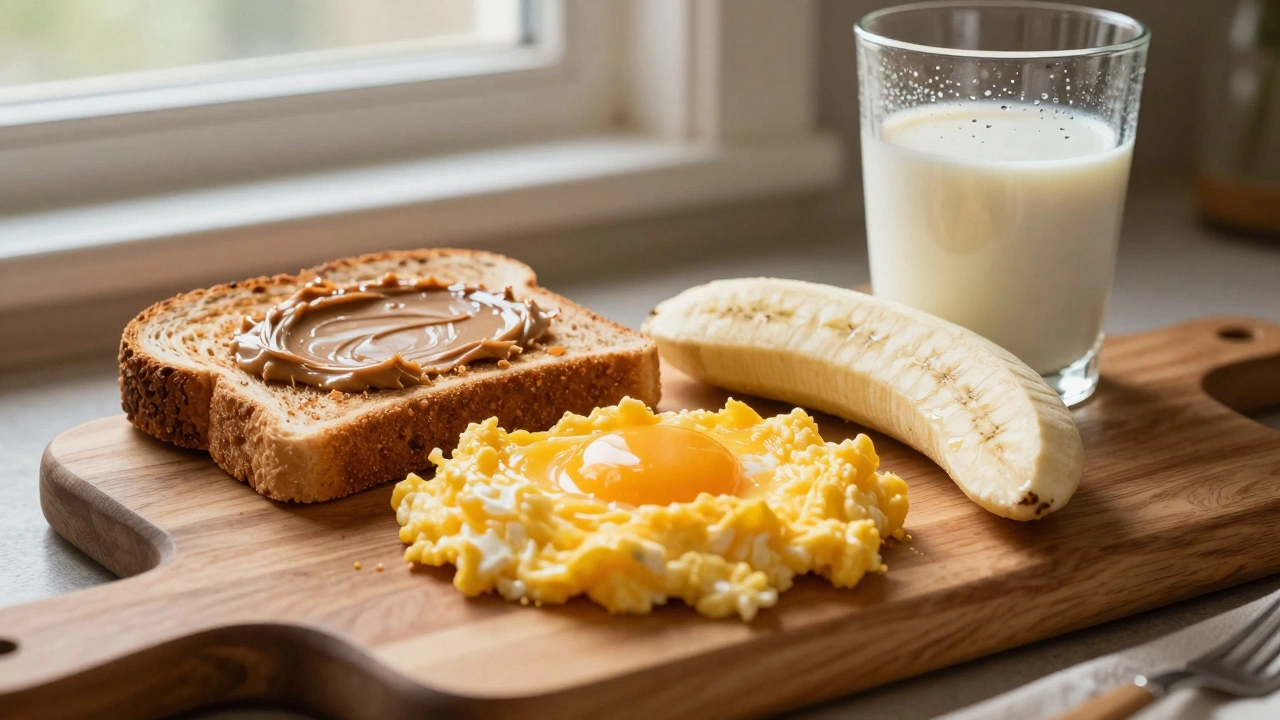
- Breakfast: 2 scrambled eggs cooked in butter, 1 slice whole grain toast with 2 tablespoons of almond butter, 1 cup whole milk, and a banana.
- Mid-morning snack: A handful of mixed nuts (about 1/4 cup) and a small container of full-fat Greek yogurt with honey.
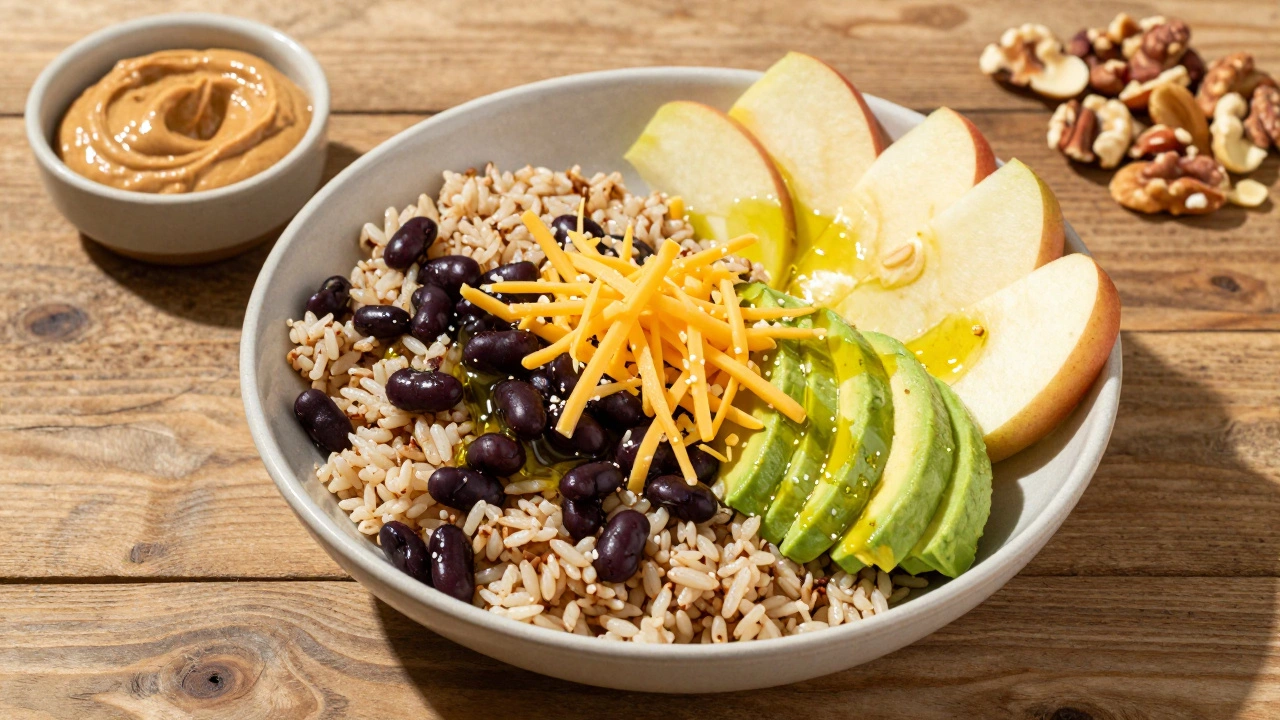
- Lunch: Brown rice with black beans, shredded cheddar cheese, avocado slices, and a drizzle of olive oil. Side of sliced apples with peanut butter.
- Afternoon snack: Smoothie made with 1 cup whole milk, 1 banana, 2 tablespoons peanut butter, 1 tablespoon flaxseed, and a scoop of protein powder (optional).
- Dinner: Salmon fillet cooked in olive oil, mashed potatoes with butter, steamed broccoli tossed in sesame oil, and a slice of whole grain bread.
- Before bed (if hungry): A cup of cottage cheese with a few chopped walnuts and a drizzle of honey.
This isn’t a strict diet. It’s a template. Swap out ingredients based on what you like. The goal is to hit 2,800-3,200 calories a day if you’re a woman, or 3,200-3,800 if you’re a man. Most people trying to gain weight eat 500-1,000 calories less than they need without realizing it.
Why You Might Still Be Losing Weight (Even With These Meals)
If you’re eating like this and still dropping weight, here are three common mistakes:
- You’re drinking too much water before meals. Water fills your stomach and reduces appetite. Sip water during meals, but don’t chug it right before.
- You’re eating too many low-calorie veggies. Broccoli, spinach, and lettuce are healthy, but they’re mostly water and fiber. Balance them with higher-calorie foods. Add cheese, nuts, or oil to them.
- You’re skipping snacks or eating too fast. If you only eat three meals a day, you’re missing out on hundreds of calories. Eat every 2-3 hours, even if you’re not hungry. Your body needs consistent fuel.
Also, don’t rely on protein shakes alone. They’re convenient, but they’re not enough. Real food gives you more nutrients, fiber, and satisfaction. Use shakes as a supplement-not your main source.

How Long Until You See Results?
Weight gain isn’t overnight. Your body won’t suddenly start storing fat if you’ve been in deficit for months. But if you stick with this approach for 2-3 weeks, you should notice changes:
- Less fatigue during the day
- Stronger workouts (if you’re exercising)
- Clothes fitting a little tighter
- Improved mood and sleep
Most people gain 0.5 to 1 pound per week with consistent, calorie-dense eating. That’s slow-but it’s real. And it’s sustainable. You’re not just gaining weight. You’re rebuilding.
What to Avoid
You don’t need to eat fast food or candy to gain weight. Sugary snacks might give you a quick calorie boost, but they leave you tired, bloated, and craving more. They don’t build muscle or support long-term health.
Same with processed protein bars. Many are full of sugar alcohols and fillers that cause bloating or digestive issues. Stick to whole foods. They’re cheaper, more filling, and better for your gut.
And don’t starve yourself to "get leaner." If you’re already losing weight unintentionally, your body needs more-not less.
When to See a Doctor
If you’ve been eating more, gaining muscle, and still losing weight, it’s time to check in with a doctor. Unexplained weight loss can signal thyroid problems, diabetes, celiac disease, or other conditions. Blood tests can rule these out quickly.
But if your doctor says everything’s fine-then trust that your body just needs more fuel. You’re not broken. You’re just underfed.
Can I gain weight by eating more carbs?
Yes, but not alone. Carbs give you energy, but you need fat and protein too. Focus on whole grains, potatoes, rice, and oats-then add healthy fats like avocado, olive oil, or cheese to boost calories. Carbs without fat won’t give you enough energy to hold weight.
Should I lift weights to gain weight?
Yes, especially if you want to gain muscle, not just fat. Strength training tells your body to store calories as muscle instead of just fat. You don’t need to lift heavy every day. Three times a week with bodyweight exercises, dumbbells, or resistance bands is enough to make a difference.
Why am I not gaining weight even though I eat a lot?
You might be eating large volumes of low-calorie foods-like salads, vegetables, and broth-based soups. Your stomach is full, but your body isn’t getting enough energy. Track your meals for a few days. You’ll likely find you’re missing calorie-dense foods like nuts, oils, dairy, and whole grains. Add those in.
Is it normal to gain weight slowly?
Yes. Gaining 0.5 to 1 pound per week is ideal. Faster gains often mean more fat and less muscle. Slow, steady weight gain is healthier and lasts longer. Your body adapts better when it’s not overwhelmed.
Can stress cause weight loss even if I’m eating?
Absolutely. Chronic stress raises cortisol, which can increase metabolism and suppress appetite. It can also mess with digestion, making it harder for your body to absorb nutrients. If you’re under a lot of stress, focus on calming habits-sleep, deep breathing, walking-and pair that with higher-calorie meals.
Stopping weight loss isn’t about eating more food. It’s about eating smarter food. It’s about choosing what fuels your body-not just what fills your plate. Start small. Add one extra snack. Drizzle oil on your veggies. Swap skim milk for whole. These tiny changes add up. And in a few weeks, you’ll look in the mirror and realize-you’re finally holding on.