Global Waste Statistics: What’s Really Happening to Our Trash
When we talk about global waste statistics, the measurable flow of discarded materials across the world, including plastics, metals, food, and electronics. Also known as worldwide waste data, it tracks how much we throw away, where it ends up, and who’s most affected. It’s not just about overflowing bins—it’s about systems failing, oceans filling with plastic, and communities bearing the cost.
Every year, the world produces over 2 billion tons of municipal solid waste. That’s enough to fill 800,000 Olympic-sized swimming pools. And while we hear a lot about recycling, less than 10% of all plastic ever made has been recycled. Most of it ends up in landfills, incinerators, or the environment. In developing countries, up to 90% of waste is openly dumped or burned, releasing toxins into the air and soil. Meanwhile, in wealthier nations, we’re buying more than ever—especially single-use packaging, fast fashion, and electronics—each with a short life and a long environmental footprint.
What’s often missed in these numbers is the human side. People living near open dumps face higher rates of respiratory illness and birth defects. Workers sorting trash without protection inhale chemicals daily. And even when we try to do the right thing—buying compostable packaging, recycling bottles—we’re often misled. Greenwashing makes it hard to tell what’s truly sustainable. That’s why understanding plastic pollution, the accumulation of plastic waste in ecosystems, especially oceans and rivers matters. It’s not just a wildlife problem—it’s a public health crisis. And landfill waste, the portion of trash buried in engineered sites, often leaking methane and leachate into groundwater is growing faster than new landfills can be built.
Here’s the hard truth: recycling alone won’t fix this. We need to rethink how we produce, use, and throw things away. That’s why the articles in this collection matter. They don’t just show you the numbers—they connect them to real life. You’ll find out why eco-friendly labels don’t always mean what you think, how thrifting cuts waste at the source, and whether your meal prep habits are helping or hurting the planet. You’ll see how consumer choices, policy gaps, and corporate practices all tie into the same broken system. These aren’t abstract stats. They’re the reason your grocery bags, coffee cups, and old phone matter more than you realize.
What follows isn’t just a list of articles—it’s a map of where waste begins and how you can stop feeding it. Whether you’re trying to reduce your own trash, understand greenwashing, or just want to know what’s really going on, these posts give you the facts without the fluff. No lectures. No guilt. Just clear, practical insight into the mess we’re in—and how to start cleaning it up, one choice at a time.
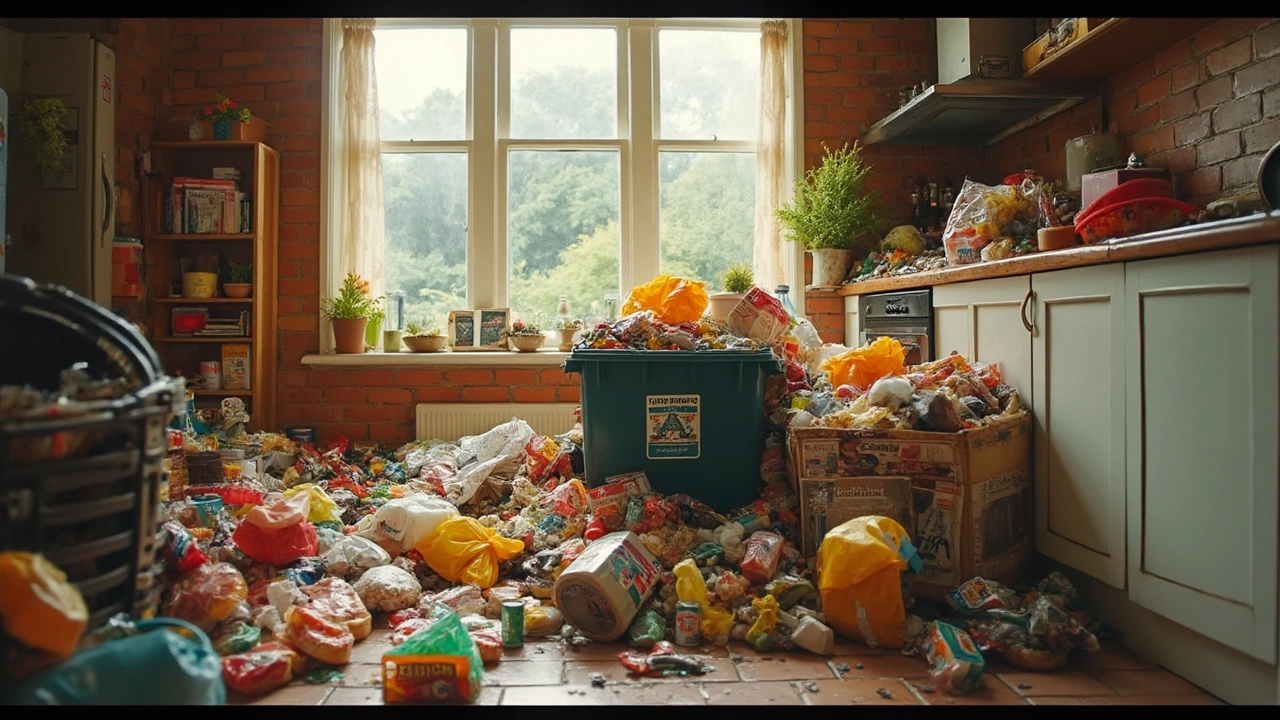
The Shocking Truth About Our Biggest Waste Product and How to Deal With It
Find out what the number one waste product is, why it matters, and how it impacts our daily lives. Get eye-opening facts, stats, and easy tips anyone can use.