Grow Healthy Plants: Simple Tips for Stronger Gardens and Indoor Greenery
When you want to grow healthy plants, the process isn’t about perfection—it’s about understanding what your plants actually need to thrive. Also known as cultivating strong vegetation, it’s less about fancy tools and more about paying attention to the basics: soil, water, light, and time. Too many people think gardening is hard because they’re chasing Instagram-worthy results. But real success? It’s quiet. It’s in the way a basil plant leans toward the window, or how tomato seedlings push through dark soil without being coddled.
Soil is the first thing that matters. You can’t grow healthy plants in poor dirt, no matter how much you water or talk to them. Also known as garden soil preparation, it’s not just about buying bagged mix—it’s about knowing when to wait after tilling, how to check if your soil is ready, and why compost isn’t optional. If you’ve ever planted something and watched it wilt within days, the problem wasn’t the plant—it was the ground it sat in. And if you’re growing indoors, your potting mix needs to drain well. No soggy roots. Ever. Then there’s light. Not all windows are equal. A south-facing sill isn’t automatically perfect. Some plants need bright, indirect sun. Others? They’ll burn. You don’t need a grow light right away—just observe how the sun moves across your room or yard over a few days. Plants tell you what they need. You just have to listen.
Watering is where most people mess up. It’s not about a schedule—it’s about the feel of the soil. Stick your finger in. If it’s dry an inch down, water. If it’s damp, wait. Overwatering kills more plants than neglect. And when you do water, soak the roots, don’t just sprinkle the leaves. For outdoor gardens, timing matters too. Early morning is best. It lets the plant drink before the heat hits, and reduces the chance of fungal problems. Indoor plants? Same rule. Let them dry out between drinks.
Some of the posts here cover what to plant first—like basil, which grows fast and rewards beginners. Others talk about what not to do after tilling, or how to pick the right soil. You’ll find advice on starting from seed, keeping plants alive through winter, and even how to spot when a plant is stressed before it turns brown. This isn’t about becoming a botanist. It’s about learning to care for living things in a way that fits your life—not someone else’s ideal garden.
Whether you’re squeezing greenery into a tiny apartment balcony or turning a backyard into a food source, the same principles apply. Healthy plants don’t need perfection. They need consistency. They need someone who pays attention. And if you’re reading this, you’re already on the right track.
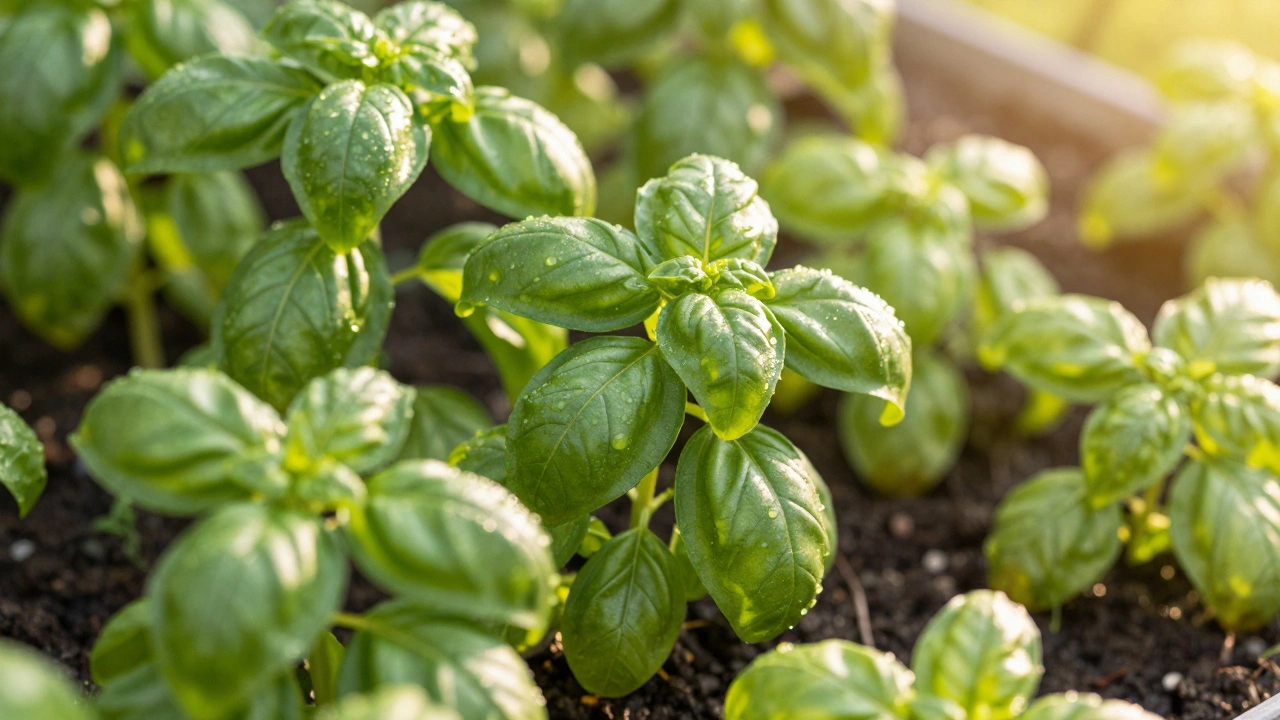
What Are the 7 Things Plants Need to Grow? Simple Rules for Healthier Gardens
Plants need more than just water and sunlight to grow. Learn the seven essential elements-light, water, air, nutrients, soil, temperature, and space-that make the difference between a struggling plant and a thriving one.