Plant Care Diagnostic Tool
Select symptoms your plant is showing to diagnose what's missing from the 7 essential growth requirements.
Your Plant Needs
Ever planted a seed, watered it daily, and still watched it wither? You’re not alone. Most people think plants just need sunlight and water. But if you’ve lost more plants than you’ve kept, the problem isn’t bad luck-it’s missing one or more of the seven basic things plants actually need to grow. No fancy tools, no expensive fertilizers, no complicated schedules. Just seven simple, non-negotiable requirements. Get these right, and your plants won’t just survive-they’ll thrive.
1. Light
Light isn’t just about brightness-it’s about the right kind, at the right time. Plants use sunlight to make food through photosynthesis. Without enough light, they stretch, turn pale, and stop growing. But too much direct sun can scorch leaves, especially in hot climates like Durban.
Most vegetables and flowering plants need at least 6 hours of direct sunlight daily. Leafy greens like spinach and lettuce can manage with 4 hours. Shade-loving plants like ferns or peace lilies do best with bright, indirect light. Pay attention to how light moves across your garden or windowsill throughout the day. A plant that thrives in the morning sun might die by afternoon. Track it for a few days before you plant.
2. Water
Water is the most misunderstood need. Too little? Leaves curl and drop. Too much? Roots rot and the plant dies quietly from the bottom up. The key isn’t how often you water-it’s how deeply and how often the soil dries out.
Check the soil with your finger. Stick it in up to the second knuckle. If it’s dry there, it’s time to water. If it’s still damp, wait. Overwatering kills more houseplants and garden plants than under-watering. In hot, dry weather, you might need to water every other day. In cooler months, once a week may be enough. Always water at the base, not over the leaves. Wet leaves in humid climates like ours invite fungal diseases.
3. Air (Carbon Dioxide and Oxygen)
Plants breathe too. They take in carbon dioxide (CO₂) through tiny pores on their leaves called stomata. At night, they switch to using oxygen, just like animals. But air isn’t just about gases-it’s about movement.
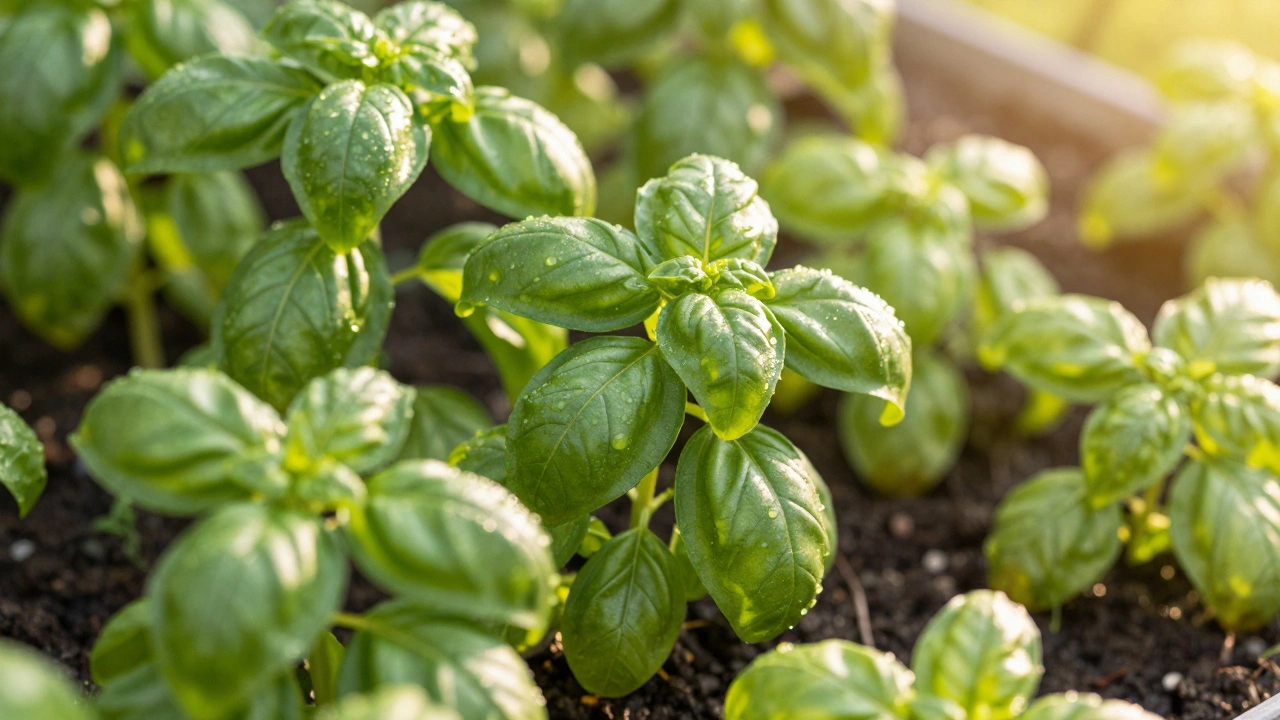
Stagnant air leads to mold, mildew, and pests. A gentle breeze helps strengthen stems and improves gas exchange. Indoors, crack a window or use a small fan on low. Outdoors, don’t crowd plants too tightly. Give them space. If your basil looks fuzzy or your tomatoes develop black spots, poor airflow is likely part of the problem.
4. Nutrients
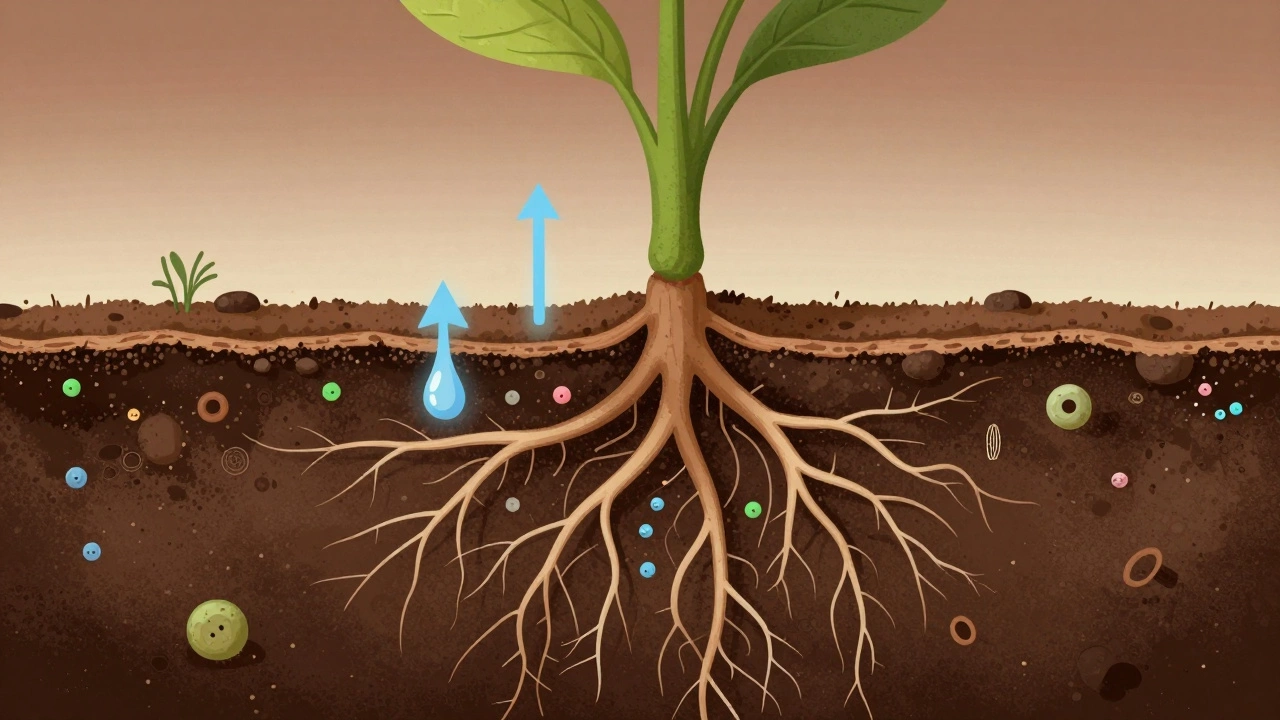
Plants don’t eat like we do, but they still need food. They get it from the soil in the form of minerals called nutrients. The big three are nitrogen (N), phosphorus (P), and potassium (K)-often labeled as NPK on fertilizer bags.
Nitrogen helps leaves grow green and lush. Phosphorus supports root and flower development. Potassium keeps the whole plant strong and disease-resistant. Most garden soils have some nutrients, but they get used up. If your plants are slow-growing or yellowing, they’re probably hungry. Use compost or a balanced organic fertilizer every 4-6 weeks during growing season. Don’t overdo it-too much fertilizer burns roots and pollutes groundwater.
5. Soil
Soil isn’t just dirt. It’s the plant’s home, its pantry, and its water reservoir all in one. Good soil holds moisture but drains well. It’s full of tiny organisms that break down organic matter and feed the roots.
Clay soil holds water but suffocates roots. Sandy soil drains too fast and leaches nutrients. The sweet spot is loamy soil-crumbly, dark, and moist. If your soil is heavy or rocky, mix in compost or coconut coir. For pots, use quality potting mix-not garden soil. It’s lighter, sterile, and designed to breathe. Test your soil’s pH if you’re having persistent problems. Most plants like it between 6.0 and 7.0. Too acidic? Add lime. Too alkaline? Add peat moss or coffee grounds.
6. Temperature
Plants have comfort zones. Most common garden plants grow best between 18°C and 27°C. Cold snaps kill tropical plants like tomatoes and peppers. Heatwaves stress even hardy plants like basil and rosemary.
In Durban’s mild winters, you can grow most veggies year-round. But in summer, when temperatures hit 30°C+, shade cloth or afternoon protection helps. Seedlings are especially sensitive. Don’t put them outside until the night temps stay above 10°C. Use mulch to keep roots cool in summer and warm in winter. If your plants suddenly wilt on a hot afternoon but perk up at night, they’re overheating-not underwatering.
7. Space
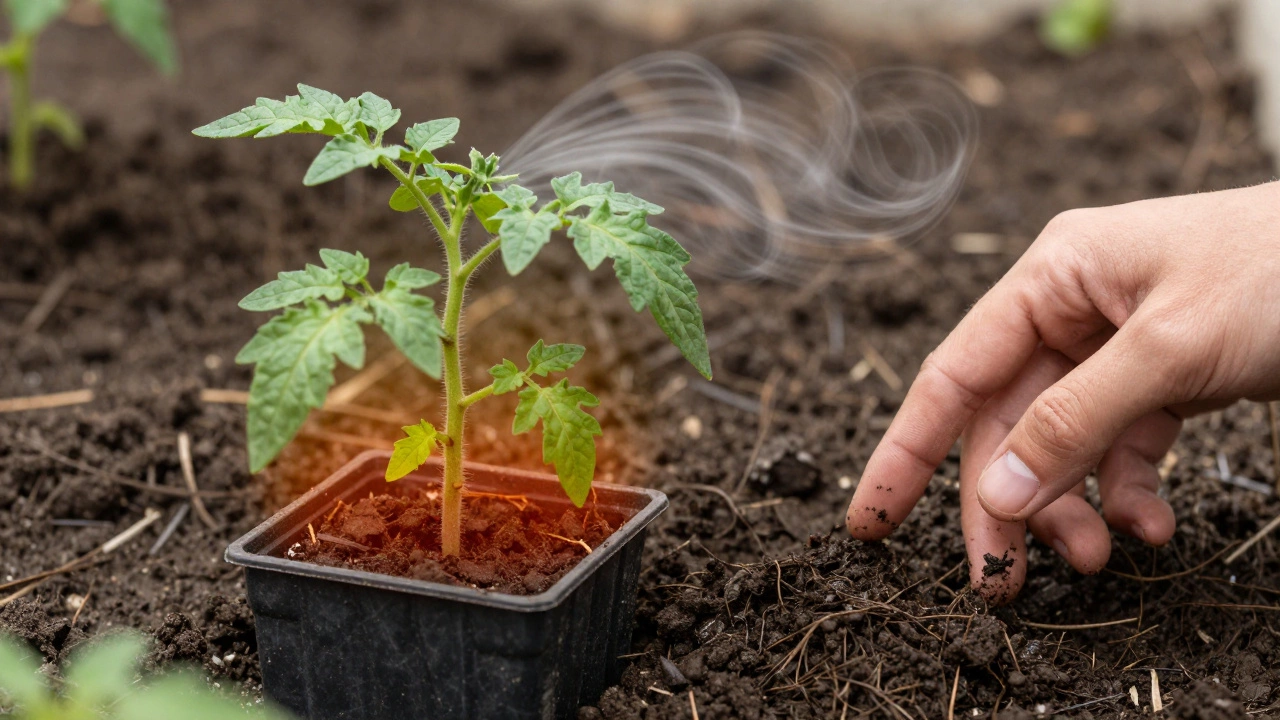
Plants need room to grow-not just above ground, but below. Crowded roots can’t absorb water or nutrients properly. Crowded leaves trap moisture and invite disease.
Follow seed packet spacing guidelines. If you plant tomatoes too close, they’ll compete for light and produce half the fruit. Herbs like thyme and oregano spread underground. Give them at least 30 cm between plants. In containers, pick pots that are deep enough for roots. A small pot might look cute, but it dries out fast and restricts growth. Think of it like a human living in a closet-it’s not about being cramped. It’s about survival.
Putting It All Together
These seven needs don’t work in isolation. They’re a system. For example: if your soil is poor, even perfect watering won’t help. If your plant gets light but no air movement, it’ll get mold. If you water daily but the soil stays soggy, the roots suffocate.
Start simple. Pick one plant you want to grow-basil, tomatoes, or even a succulent. Observe it. Is the soil dry? Are the leaves turning yellow? Is it stretching toward the window? Match what you see to the seven needs. Fix one thing at a time. Don’t rush. Plants don’t care about your schedule. They respond to consistency.
There’s no magic formula. No secret spray. Just seven basic things, done right, every day. That’s all it takes.
Frequently Asked Questions
Can plants grow without sunlight?
No, plants can’t grow long-term without light. They need sunlight-or a very strong artificial light source-to make food. Some plants survive for weeks in low light by using stored energy, but they’ll become weak, leggy, and stop producing new leaves. Grow lights can help indoors, but they must mimic natural daylight intensity and duration.
How often should I fertilize my plants?
For most houseplants and garden plants, fertilize every 4 to 6 weeks during spring and summer when they’re actively growing. In fall and winter, cut back or stop altogether. Over-fertilizing causes salt buildup in soil, which burns roots. Always water before applying fertilizer, and use half the recommended dose if you’re unsure. Organic options like compost tea or worm castings are safer and release nutrients slowly.
Why are my plant’s leaves turning yellow?
Yellow leaves usually mean one of three things: overwatering, underwatering, or nutrient deficiency. Check the soil first-if it’s wet, you’re overwatering. If it’s dry, you’re underwatering. If the soil feels okay but older leaves are yellowing, it’s likely a nitrogen shortage. New leaves turning yellow? That could mean iron or magnesium is missing. Test the soil and adjust watering before reaching for fertilizer.
Do all plants need the same amount of water?
No. Succulents and cacti store water and need very little-once every 2-3 weeks in summer, even less in winter. Ferns and tropical plants like constant moisture but not soggy soil. Herbs like rosemary and thyme prefer to dry out between waterings. Always match the plant to its natural habitat. A desert plant in a humid bathroom will rot. A rainforest plant in a sunny, dry window will shrivel.
Can I use regular garden soil in pots?
Don’t. Garden soil is too dense for containers. It compacts, doesn’t drain well, and often carries pests or fungi. Potting mix is designed to be light, airy, and drain quickly. It usually contains peat, perlite, and compost. If you must use garden soil, mix it 50/50 with coarse sand and compost-but even then, it’s not ideal. For pots, always use potting mix.