Hyaluronic Acid: What It Is and How It Works for Your Skin
When you hear hyaluronic acid, a naturally occurring substance in your skin that holds up to 1,000 times its weight in water. Also known as hyaluronan, it’s the reason your skin looks plump, smooth, and feels like it’s been hydrated from the inside out. You don’t need fancy lasers or expensive treatments—just this one ingredient can make a real difference if you know how to use it.
It’s not magic, but it works like a sponge. Your skin naturally has hyaluronic acid, but as you age, or if you’re exposed to dry air, pollution, or too much sun, your levels drop. That’s when your skin starts looking dull, tight, or lined. That’s where topical hyaluronic acid steps in. It doesn’t plump skin by stretching it—it pulls water from the air and your deeper skin layers to the surface. That’s why it’s often paired with other ingredients like ceramides or niacinamide. Without them, it can sometimes pull moisture *out* of your skin in dry climates. Think of it like a water pump: it needs the right setup to work.
People with dry, sensitive, or mature skin see the biggest results. But even oily skin types benefit—because dehydration makes skin overproduce oil. A lightweight hyaluronic acid serum applied to damp skin before moisturizer is the gold standard. You don’t need ten layers. Just one good one. And it plays well with almost everything else in your routine: retinoids, vitamin C, even acne treatments. It’s the quiet helper that doesn’t irritate but makes everything else work better.
Not all hyaluronic acid is the same. Some products use big molecules that sit on top of your skin. Others use smaller chains that sink in deeper. The best formulas combine both. And don’t be fooled by high prices—some drugstore options work just as well as luxury brands. Look for it listed near the top of the ingredients, not buried at the bottom.
It’s not a cure-all, but it’s one of the few skincare ingredients that actually delivers on its promise. No hype, no gimmicks—just science-backed hydration. If you’ve tried moisturizers that dry out by noon, or serums that tingle and burn, hyaluronic acid might be the reset you’ve been looking for.
Below, you’ll find real guides that show you exactly how to use it, what to mix it with, and how to tell if your product is even worth your time. No fluff. Just what works.
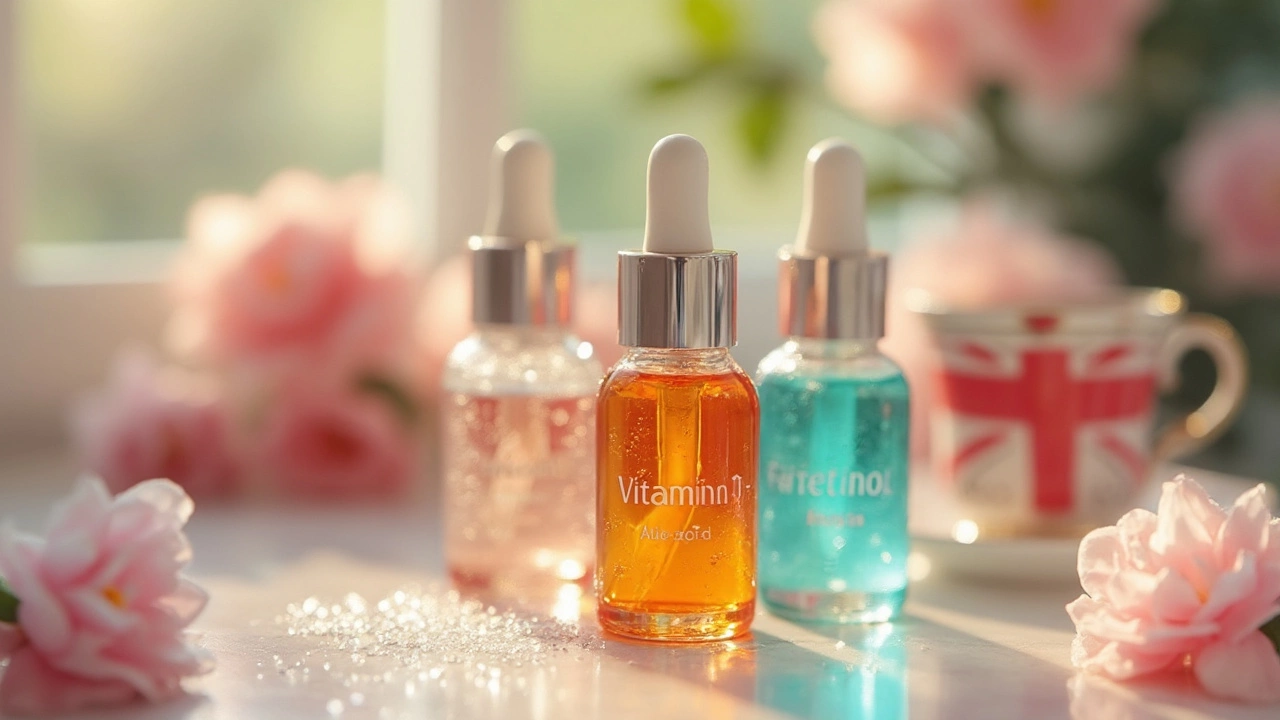
Can You Use Vitamin C, Hyaluronic Acid, and Retinol Together? Expert-Backed Guide
Curious about using vitamin C, hyaluronic acid, and retinol together? Get practical advice, safety tips, and facts for combining powerhouse ingredients for radiant skin.