Pasta Storage: How to Keep It Fresh and Safe
When you buy pasta, whether it’s a box of spaghetti or a bag of penne, you’re not just buying food—you’re buying pasta storage, the practice of keeping dried or cooked pasta safe from moisture, pests, and spoilage. Also known as dry pasta preservation, it’s one of those simple habits that stops waste before it starts. Most people toss cooked pasta into a plastic container and call it done. But that’s not enough. Moisture, heat, and air are the real enemies. Left out too long, pasta turns sticky, grows mold, or attracts pantry bugs. Even dry pasta can go bad if it’s stored near the stove or in a damp cupboard.
There are two main types of pasta storage, one for uncooked pasta, another for leftovers. Also known as dry pasta preservation and cooked pasta refrigeration, they need totally different approaches. For dry pasta, the goal is to block air and moisture. Airtight containers—glass jars, plastic bins with tight seals, or even the original box inside a zip-top bag—work best. Keep it away from heat sources like the oven or dishwasher. A cool, dark cupboard is ideal. No need for the fridge. In fact, putting dry pasta in the fridge can make it absorb moisture and become brittle. For cooked pasta, you’ve got about 3 to 5 days in the fridge if it’s cooled fast and sealed tight. Toss it with a tiny bit of olive oil before storing to stop clumping. If you’re freezing it, do it plain—no sauce. Sauces freeze better on their own. Portion it out so you only thaw what you need. Frozen pasta lasts up to 3 months without losing texture.
Why does this matter? Because bad pasta storage leads to wasted food, wasted money, and sometimes, stomach trouble. A 2023 study from the UK Food Standards Agency found that nearly 1 in 5 households throw out cooked pasta because it went bad in the fridge—mostly due to poor sealing or slow cooling. That’s not just a shame, it’s avoidable. You don’t need fancy gear. Just clean containers, a little attention, and the right habits.
And it’s not just about safety. Good pasta storage, the kind that keeps texture and flavor intact. Also known as meal prep efficiency, makes your busy week easier. Pre-cook a batch on Sunday, store it right, and you’ve got quick dinners all week. No more last-minute boiling or takeout runs. Whether you’re cooking for one or feeding a family, knowing how to store pasta properly cuts down on stress and clutter. You’ll eat better, spend less, and feel more in control.
Below, you’ll find real advice from people who’ve been there—stored pasta the wrong way, learned the hard way, and got it right. These aren’t theories. These are fixes that actually work. From how to spot spoiled pasta to the best containers under £10, you’ll find practical tips that fit your life, not a cookbook.
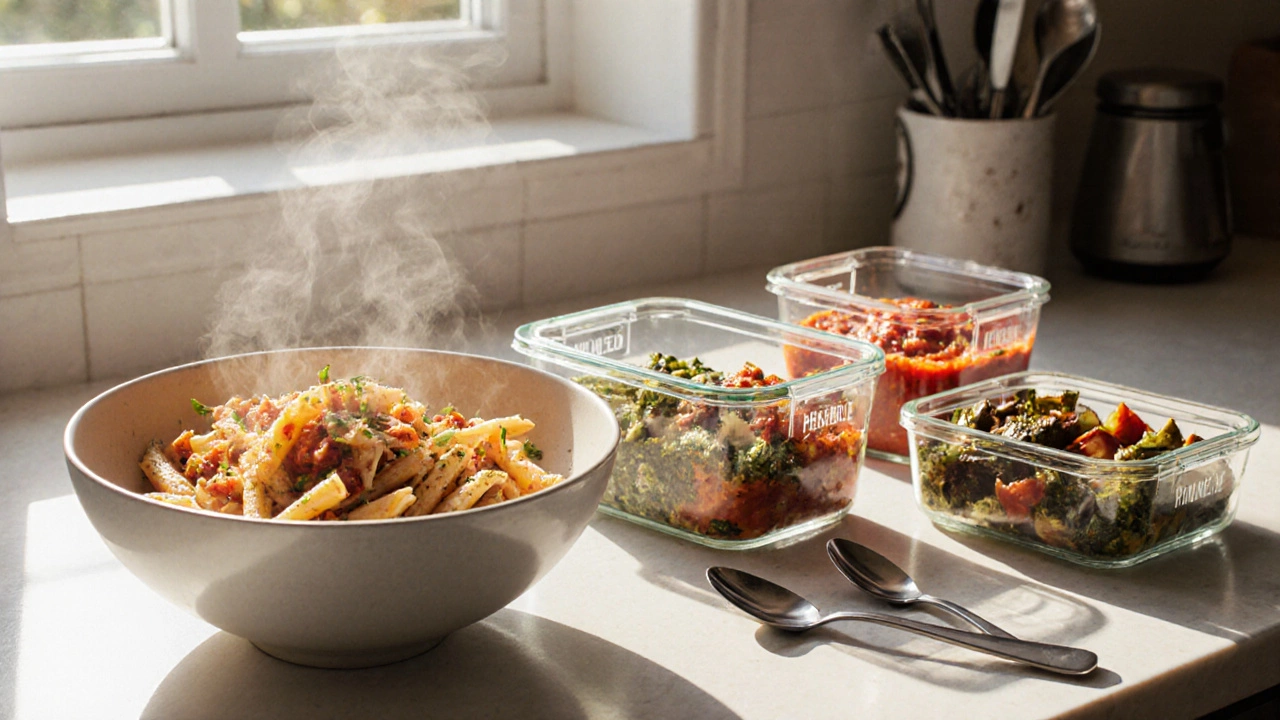
Is Pasta Good for Meal Prep? The Real Benefits and Best Ways to Do It
Pasta is one of the best foods for meal prep-affordable, filling, and easy to store. Learn how to cook, store, and reheat it right so it stays tasty all week.