Remote Work: How to Stay Productive, Balanced, and Human
When you work from home, remote work, the practice of performing job duties outside a traditional office, often from home or while traveling. Also known as telecommuting, it’s no longer a perk—it’s the new normal for millions. But it’s not just about swapping your commute for pajamas. Real remote work means rethinking how you focus, rest, and connect.
What makes remote work stick isn’t the desk you buy or the fancy webcam you upgrade—it’s work-life balance, the sustainable way you divide time and energy between professional duties and personal life. There are three real types: boundary-based (strict separation), integration-based (blending tasks), and energy-based (working when you’re sharp). Most people try the first two and burn out. The third? It’s the only one that lasts. And if you’ve ever felt guilty for taking a break during the day, you’re not alone. The truth is, your brain isn’t a machine. It needs pauses, walks, and real downtime to keep performing.
Then there’s productivity, the measure of output relative to effort, not hours logged. Remote work doesn’t make you more productive by default. In fact, without structure, it’s easy to fall into the trap of working longer but achieving less. The fix isn’t more apps or stricter schedules—it’s aligning your tasks with your natural energy. Some people crush emails at 7 a.m. Others need a walk and coffee before they’re ready. Your rhythm matters more than your clock.
And let’s not forget the home office, the physical or virtual space where remote work happens. It’s not about having a dedicated room. It’s about creating a signal—something that tells your brain, "This is work time." A corner of the kitchen table works if you clear it after. A noise-canceling headset counts. Even changing clothes can be part of the ritual. The goal isn’t perfection. It’s consistency.
Remote work also changes how you relate to people. You lose the watercooler chats, the unplanned coffee runs, the casual check-ins. That’s why connection matters more than ever. It’s not just about Zoom calls. It’s about asking how someone’s weekend went. Sending a quick voice note. Celebrating small wins out loud. These aren’t fluff—they’re the glue that holds teams together when you’re not sharing the same space.
And if you’re thinking about becoming a digital nomad, someone who works remotely while traveling, often across time zones, be honest with yourself. It looks glamorous online. But managing time differences, unreliable Wi-Fi, and loneliness takes real planning. The people who thrive don’t chase destinations—they chase routines.
What you’ll find below isn’t a list of "10 hacks to work from home." It’s a collection of real experiences, tested methods, and honest talk about what actually works when your job lives in your pocket and your couch doubles as your conference room. From how to stop working all day to what meals keep you focused, these posts cut through the noise. No fluff. No fake productivity. Just what helps you show up as yourself—without burning out.
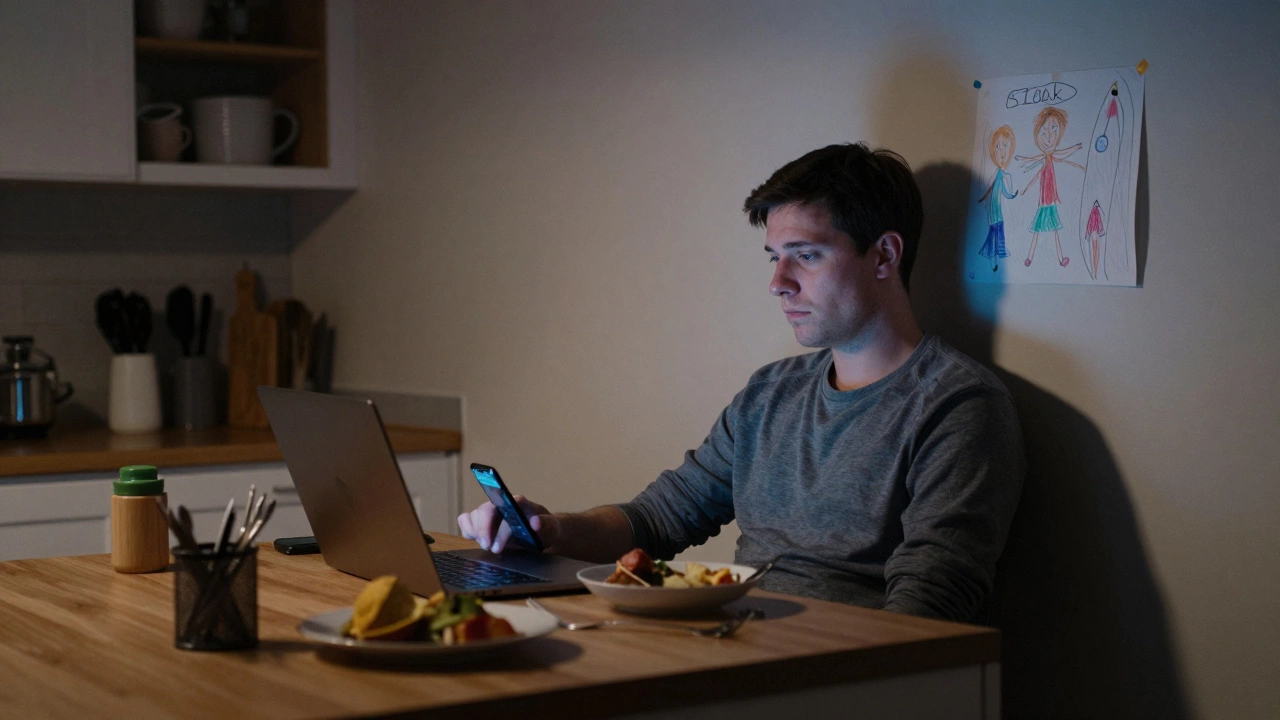
What Are the Three Major Challenges of Work-Life Balance?
Work-life balance isn't about working less-it's about protecting your time, saying no without guilt, and letting go of the illusion that you can control everything. These three challenges are what really break people.
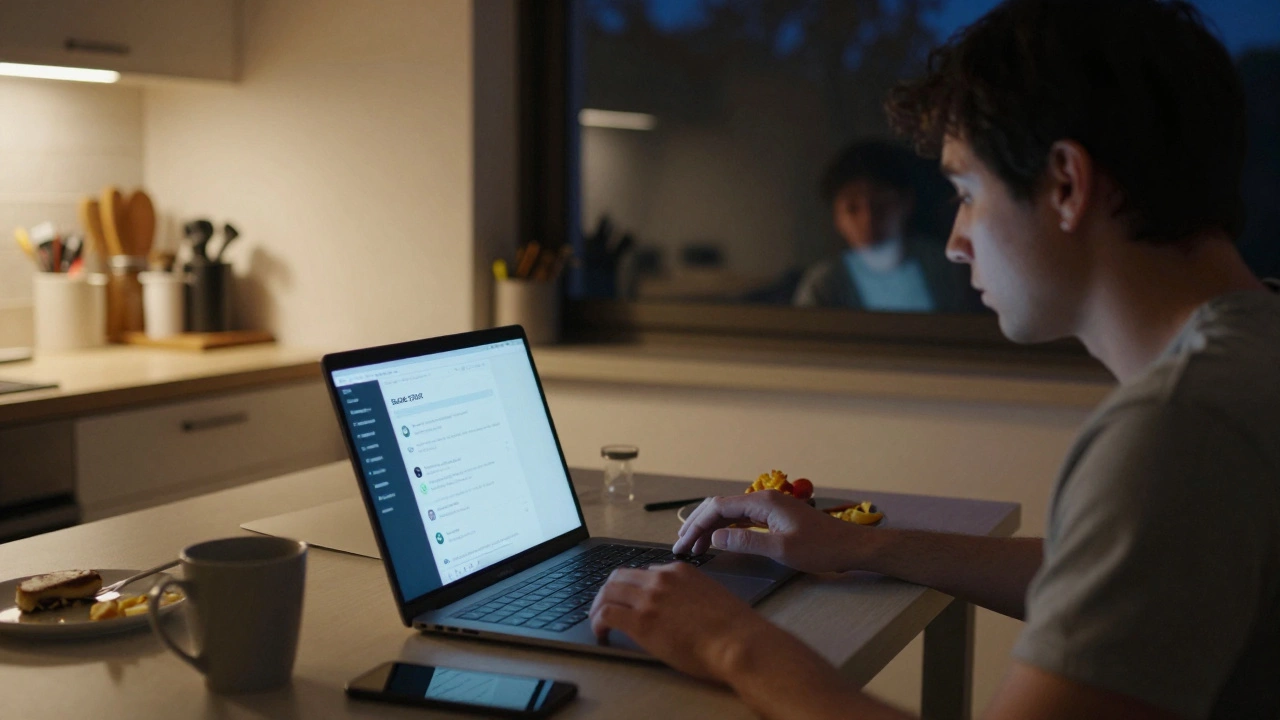
What Is the Disadvantage of Work-Life Balance?
Work-life balance sounds ideal-but rigid boundaries, guilt, and unrealistic expectations can make it worse. Learn why chasing balance might be burning you out and what actually works instead.
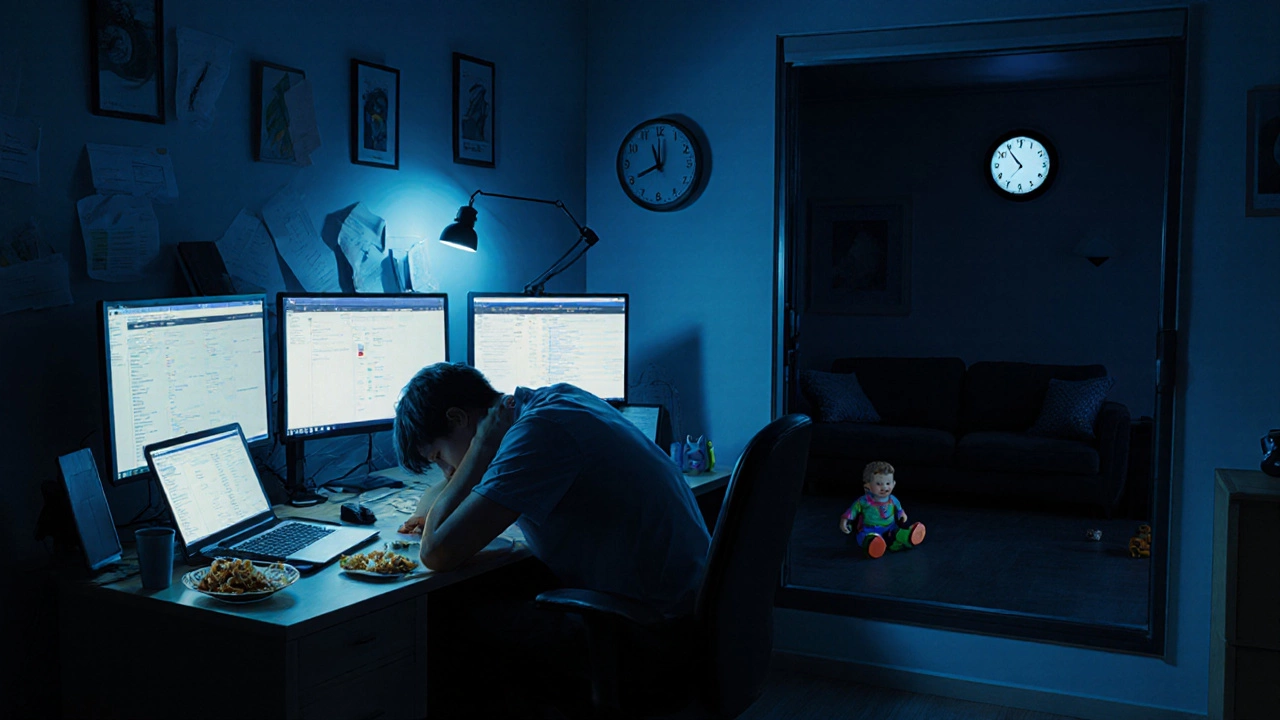
How Many People Struggle with Work-Life Balance in 2025?
Over half of workers today struggle with work-life balance due to blurred boundaries, remote work pressures, and burnout. Learn who's most affected and how to reclaim your time without quitting your job.