Succession Planting: Grow More All Season Long
When you hear succession planting, a method of growing crops in sequence to maximize yield and extend harvest season. It’s not just planting more—it’s planting smarter. Think of it like a relay race for your garden: as one crop finishes, another takes its place. No empty beds. No wasted space. No long stretches where your garden sits idle. This isn’t some old-school trick—it’s how serious home growers stretch their harvest from spring to frost.
It works because plants don’t all grow at the same speed. Fast growers like radishes and lettuce clear out in 30 days. Slower ones like kale or carrots take 60 to 90. By planting a new crop right after the first one’s done, you’re turning one growing season into two—or even three. You’re also avoiding the big drop-off most gardeners face in midsummer when cool-weather crops bolt and heat-lovers haven’t kicked in yet. Succession planting fills that gap. And it’s not just about veggies. Herbs, flowers, even cover crops can play a part.
Related concepts like crop rotation, shifting plant families to prevent soil depletion and pest buildup and garden planning, mapping out what goes where and when to optimize sunlight, space, and nutrients often go hand-in-hand with succession planting. You can’t rotate properly if you’re leaving beds bare. And you won’t get the full benefit of succession if you’re just guessing when to plant. These aren’t separate techniques—they’re parts of the same system. One keeps your soil healthy. The other keeps your table full.
People who use this method don’t just have more food—they have more variety. More flavor. More control. No more waiting for the grocery store to have spinach in January. You’re not just gardening. You’re managing a living, growing system. And the best part? You don’t need a huge yard. Even a few containers on a balcony can do succession planting. A row of lettuce followed by beans. A patch of peas that clears out for a second round of radishes. It’s all about timing, not size.
What you’ll find in these articles are real examples from people who’ve done this—how they timed their plantings, what failed, what worked, and how they turned a small patch into a steady stream of fresh food. No fluff. No theory. Just what actually happens in the dirt, from spring through fall.
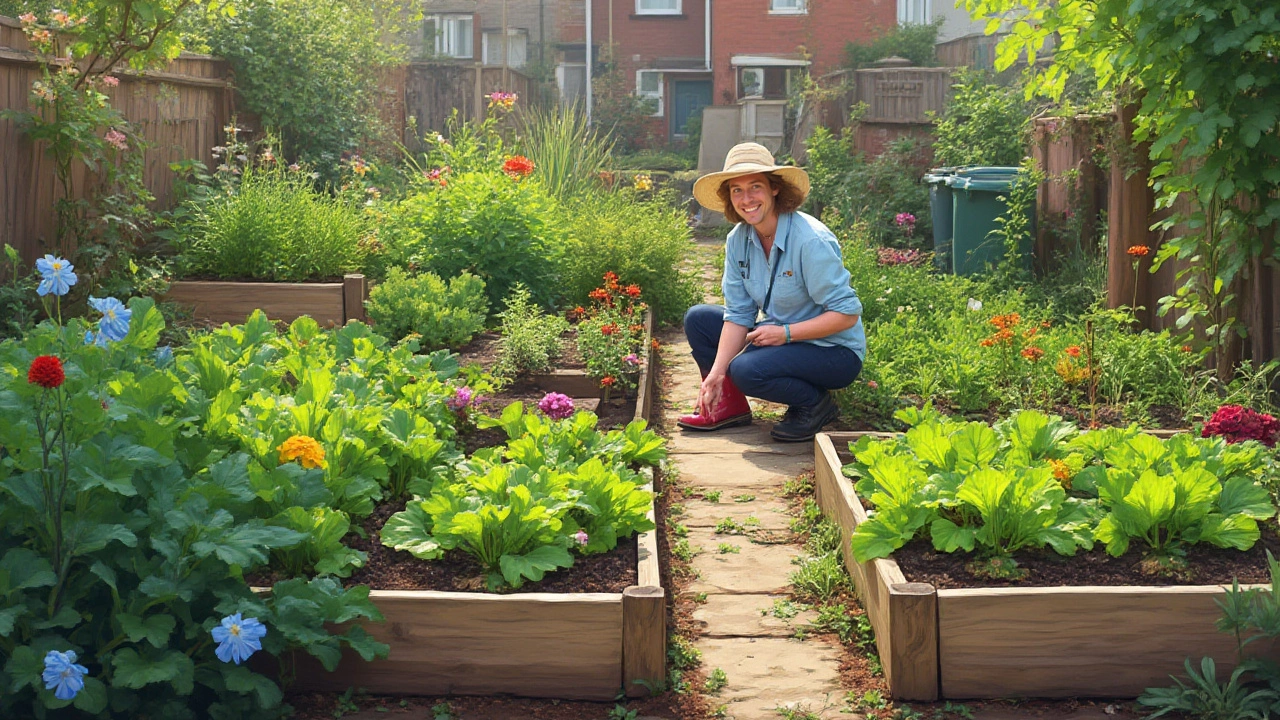
Maximize Small Garden Yields: The Power of Succession Planting
Discover how succession planting can help you get more produce from your small garden. Learn practical steps, crop combos, and expert tips to keep your harvest coming all season long.