Vegetable Growing Conditions Checker
Your Growing Conditions
How It Works
This tool compares your growing conditions against the specific needs of challenging vegetables. Enter your climate data and see which vegetables you can successfully grow. Click "Check Compatibility" to see your results.
Your Vegetable Compatibility
Some vegetables just won’t play nice. No matter how much sun you give them, how often you water, or how rich your soil is-they still sulk, bolt, rot, or refuse to show up at all. If you’ve ever planted what you thought was a simple crop only to end up with a handful of bitter, misshapen, or nonexistent produce, you’re not alone. Growing vegetables isn’t just about planting seeds and waiting. Some crops demand precision, patience, and a little bit of luck.
Celery: The Demanding Plant That Needs Perfect Conditions
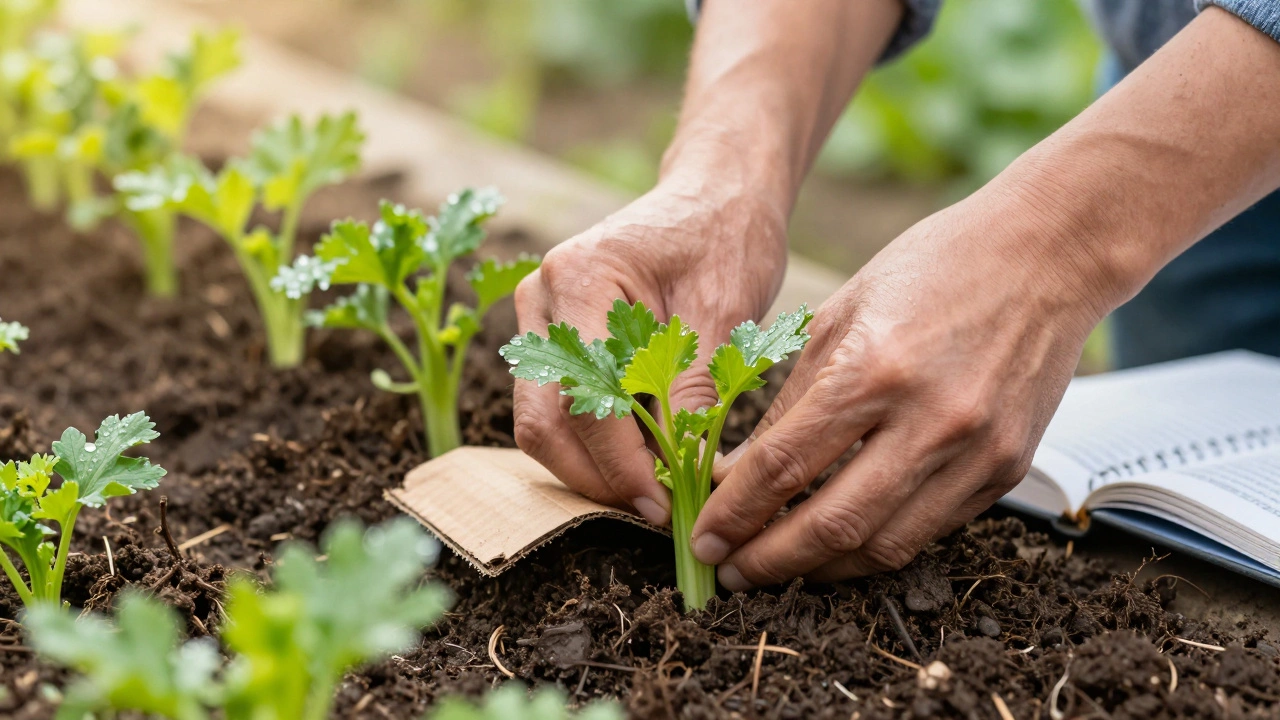
Celery is often called the most difficult vegetable to grow, and for good reason. It doesn’t just want good soil-it needs perfect soil. Celery thrives in rich, moisture-retentive soil with a pH between 6.0 and 7.0. Too dry? The stalks turn stringy and hollow. Too wet? Root rot sets in. It also needs consistent temperatures between 60°F and 70°F. Any big swings, and the plant bolts or becomes bitter.
Most gardeners start celery from seed indoors 10 to 12 weeks before the last frost. The seeds are tiny and take up to three weeks just to germinate. Even then, seedlings are fragile. Transplanting them is risky-they don’t like root disturbance. Once outside, they need daily watering and heavy mulching to hold moisture. And don’t even think about skipping blanching. Without it, the stalks stay tough and green. Many growers wrap them in cardboard or use special blanching techniques to soften the flavor.
If you’re in a place like Durban with warm, humid summers, celery might survive-but it’ll struggle. It prefers cooler climates. Still, with careful attention, you can get a decent harvest. Just know: it’s not a beginner crop.
Caesar Lettuce: The Salad Green That’s Too Picky for Its Own Good
Not all lettuces are easy. Caesar lettuce-a type of romaine-is especially finicky. It needs cool weather, but not too cold. If it gets too hot, it bolts fast, sending up a flower stalk and turning bitter in days. Even a few days over 75°F can ruin a whole bed.
It also demands perfect spacing. Plant them too close, and they compete for nutrients and light, resulting in small, loose heads. Too far apart, and you waste space and invite pests. It grows best in raised beds with well-drained, compost-rich soil. Even then, it’s prone to tip burn-a brown, dry edge caused by calcium imbalance or inconsistent watering.
Many gardeners plant Caesar lettuce in staggered batches every two weeks to ensure a continuous harvest. But if you miss one watering cycle during a heatwave, your entire crop can turn bitter overnight. It’s the kind of vegetable that rewards routine and punishes distraction.
Broccoli: When the Weather Betrays You
Broccoli seems simple-plant it, wait, harvest. But it’s one of the most weather-sensitive crops out there. It wants cool temperatures, ideally between 60°F and 65°F. Too hot? The heads turn yellow and flower before they’re ready. Too cold? Growth stalls, and the heads become loose and “ricey”-full of tiny, undeveloped florets.
Even the timing of planting matters. In warmer zones like Durban, you have to plant in late winter for a spring harvest. Plant too early, and frost kills the seedlings. Plant too late, and summer heat ruins the crop. Broccoli also needs consistent nitrogen and calcium. A lack of either leads to hollow stems or brown spots.
It’s also a magnet for pests. Cabbage worms, aphids, and flea beetles love it. You can’t just spray chemicals and walk away-organic options like neem oil or row covers need constant monitoring. And if you don’t harvest the main head at the right moment, it turns to flowers in under 48 hours. One missed day, and you lose the whole plant’s potential.
Carrots: The Root That Hates Compromise
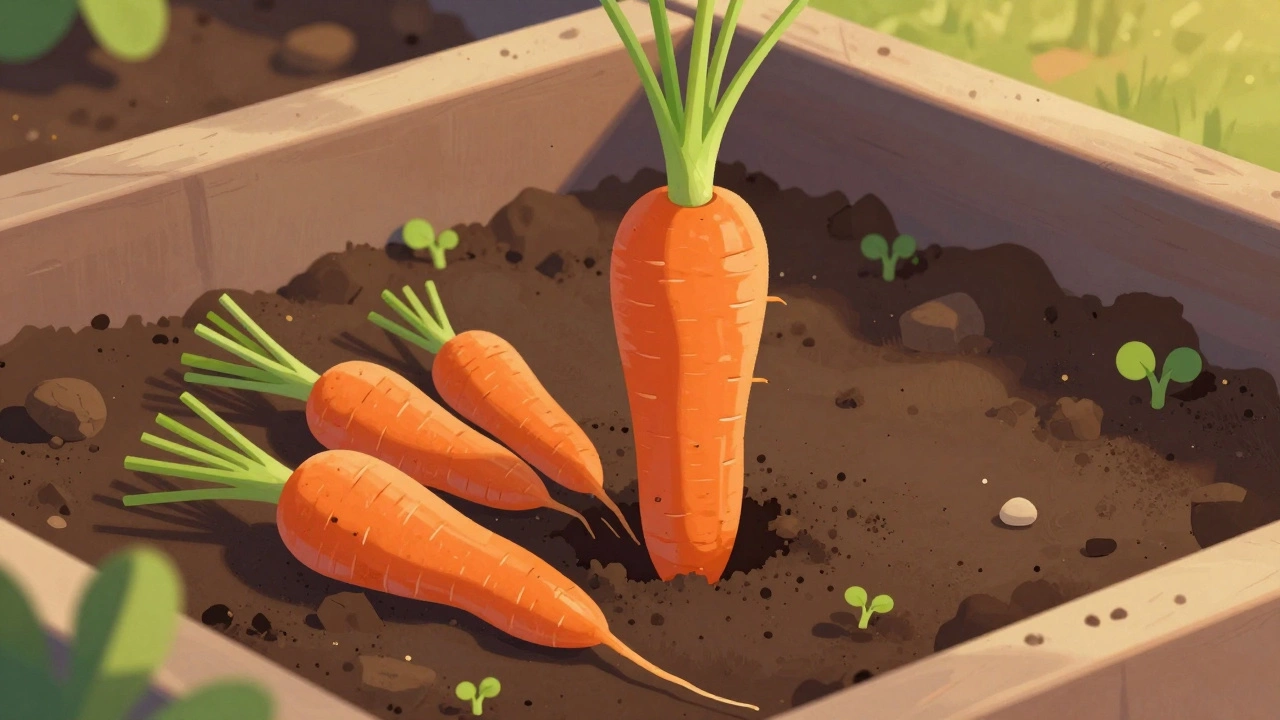
Carrots look easy, but they’re secretly picky. They need deep, loose, stone-free soil. If your soil is heavy clay or full of rocks, the roots twist, fork, or stop growing altogether. Even a single small stone can send a carrot growing sideways instead of down.
They also need consistent moisture. Too dry, and they become woody and tasteless. Too wet, and they rot or attract carrot flies. The seeds are slow to germinate-up to three weeks-and often die if the soil surface dries out during that time.
Many gardeners sow carrot seeds in rows with radishes mixed in. The radishes germinate fast, mark the row, and loosen the soil as they grow. But even then, thinning is critical. If seedlings are too crowded, they compete and produce tiny carrots. You have to pull out the extras carefully-disturbing the roots can cause branching.
And don’t even think about transplanting them. Carrots hate being moved. They’re meant to grow straight down from day one. If you want good carrots, you need perfect soil and perfect timing. No shortcuts.
Wasabi: The Holy Grail of Impossible Vegetables
If you’ve ever paid $50 for a tiny wasabi root at a fancy grocery store, now you know why. Real wasabi (Wasabia japonica) is nearly impossible to grow outside its native mountain stream habitats in Japan. It needs constant flowing, cool water-around 50°F to 60°F-with high humidity and partial shade. No standing water. No direct sun. No dry spells.
It grows slowly, taking 18 to 24 months to mature. Even then, the rhizomes rarely reach more than 6 inches long. Most home gardeners try to grow it in pots or hydroponic setups, but success is rare. Temperature spikes, poor water quality, or even a slight change in pH can kill it.
Many commercial growers use gravel beds with slow-moving water, mimicking mountain streams. Even then, yields are low. In places like Durban, where humidity is high but temperatures rarely drop below 65°F, wasabi simply won’t thrive. It’s not a vegetable you grow for the harvest-it’s a vegetable you grow to prove you can.

What Makes These Vegetables So Hard?
These five crops share common traits that make them tough:
- They need very specific temperature ranges-no wiggle room.
- They demand consistent moisture without being waterlogged.
- Soil quality isn’t just important-it’s everything.
- They’re slow to germinate and slow to mature.
- They’re sensitive to small mistakes: one missed watering, one heat spike, one weed.
They’re not impossible. But they’re not forgiving. If you’re new to gardening, start with tomatoes, beans, or zucchini. Save the celery, wasabi, and Caesar lettuce for when you’ve got a rhythm down.
When to Try the Hard Ones
If you’re ready to take on these challenges, here’s how to increase your odds:
- Start with seedlings, not seeds-gives you a head start on fragile crops like celery and lettuce.
- Use mulch religiously-keeps moisture steady and soil cool.
- Grow in containers or raised beds-you control the soil better.
- Use shade cloth during hot spells-especially for lettuce and broccoli.
- Keep a garden journal-track weather, watering, and what worked or failed.
There’s a reason these vegetables are expensive in stores. They’re not just hard to grow-they’re hard to grow well. But when you finally harvest a crisp celery stalk, a sweet carrot, or a tight broccoli head after months of effort? That’s the kind of win that makes every failure worth it.
Why is celery so hard to grow?
Celery needs consistent moisture, rich soil, and stable temperatures between 60°F and 70°F. It’s sensitive to heat, drought, and poor soil. Germination takes up to three weeks, and transplanting is risky. Without blanching, the stalks stay tough and bitter.
Can you grow wasabi in South Africa?
It’s extremely difficult. Wasabi needs cool, flowing water around 50°F-60°F, high humidity, and no direct sun. Most of South Africa’s climate is too warm and dry. Even in shaded, humid areas like Durban, maintaining the right water temperature and flow year-round is nearly impossible without specialized hydroponic systems.
What’s the easiest way to grow carrots successfully?
Use deep, loose, stone-free soil and sow seeds directly. Mix them with radish seeds to mark rows. Keep the soil evenly moist until germination. Thin seedlings to 2-3 inches apart. Avoid transplanting. Mulch heavily to retain moisture and prevent soil crusting.
Why does my broccoli turn yellow and flower too soon?
Broccoli bolts when exposed to prolonged heat above 75°F or sudden temperature swings. It’s a stress response. Plant in early spring or late summer so heads form during cooler weather. Use shade cloth during heatwaves, and harvest the main head as soon as it’s tight and firm.
Are there any substitutes for hard-to-grow vegetables?
Yes. Instead of celery, try celeriac or bok choy. For Caesar lettuce, switch to butter lettuce or red romaine-they’re more heat-tolerant. For wasabi, use horseradish mixed with mustard powder and green food coloring for a similar kick. You won’t get the exact flavor, but you’ll get the crunch and spice without the headache.
Next Steps: Start Small, Think Long-Term
Don’t rush into growing wasabi or celery on your first try. Pick one challenging vegetable this season-maybe celery-and focus on mastering just that. Keep notes. Adjust your soil. Track the weather. Next year, you’ll know exactly what to change.
Hard-to-grow vegetables aren’t about winning. They’re about learning. Every failed crop teaches you something about your garden, your climate, and your patience. And when you finally get it right? That’s when gardening stops being a hobby-and becomes a craft.