Therapists Recommend: What They Actually Tell Their Clients
When therapists recommend, practical, daily actions that reduce anxiety and build emotional resilience. Also known as evidence-based self-care, it’s not about grand gestures—it’s about showing up for yourself in small, consistent ways. You won’t hear them say "just meditate more" or "be positive." Real therapists talk about sleep hygiene, how to say no without guilt, and why moving your body mindfully matters more than hitting a step count.
They often connect mindfulness, the practice of paying attention to the present without judgment. Also known as awareness in motion, it’s not a spiritual trend—it’s a tool to break the cycle of rumination. That’s why posts on mindful exercise and the three C’s of mindfulness (Curiosity, Compassion, Calm) show up so often in their reading lists. It’s not about sitting still for an hour. It’s about noticing your breath while washing dishes, or feeling your feet on the ground during a walk. These tiny moments rewire your nervous system over time.
Therapists also link mental health to structure. That’s why work-life balance, the sustainable way to manage personal and professional demands. Also known as energy-based living, it’s not about splitting time evenly—it’s about matching your energy to your tasks. They see clients burned out from endless Zoom calls and blurred lines between home and office. That’s why they point to posts on the three real types of work-life balance, and why they quietly cheer when someone starts meal prepping to avoid stress-eating at 10 p.m. You can’t fix your mental health with affirmations alone if you’re skipping meals, sleeping poorly, and never unplugging.
They don’t push expensive apps or luxury retreats. They recommend what’s repeatable: a 7-day skincare routine that gives you a sense of control, a 10-10 rule to declutter your space and your mind, or choosing protein and fiber-rich foods for three days to reduce brain fog. These aren’t quick fixes—they’re anchors. And when you’re drowning in noise, anchors keep you from sinking.
What you’ll find here isn’t a list of platitudes. It’s the real stuff therapists hand out when they know their clients won’t go to therapy next week. The kind of advice that sticks because it fits into your life—not the other way around.
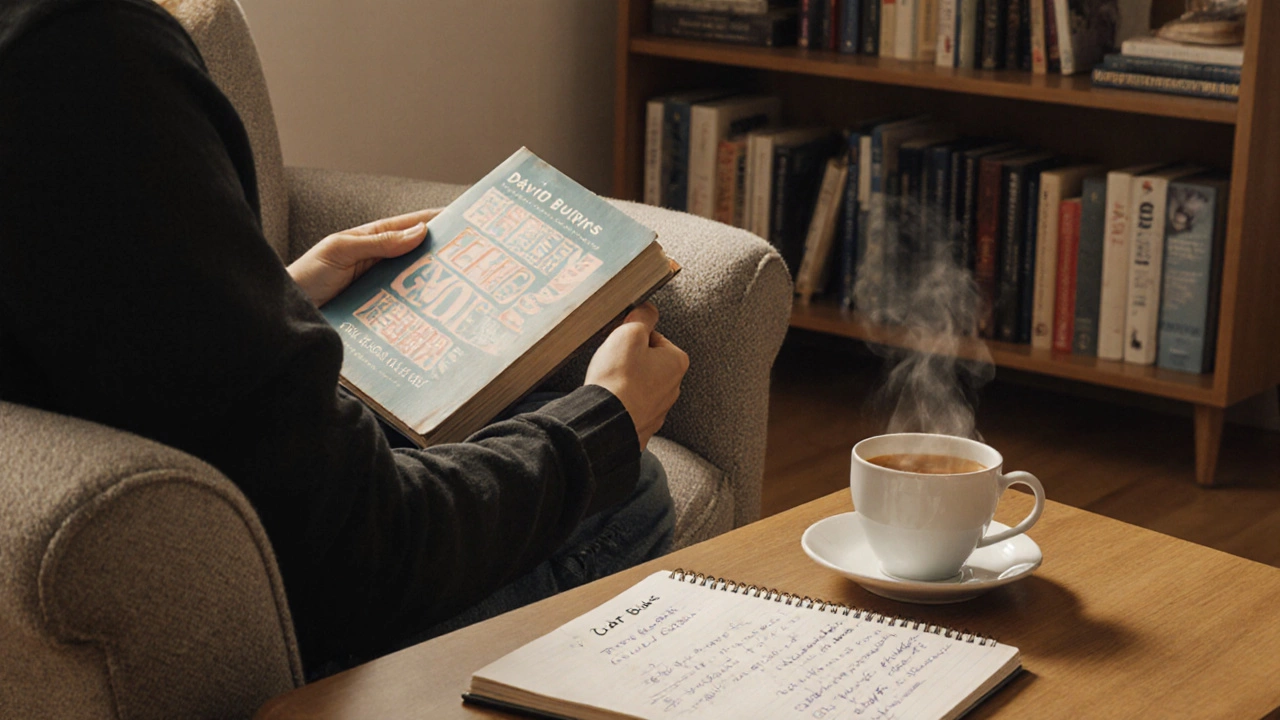
Do Therapists Recommend Self-Help Books? What the Experts Actually Say
Therapists do recommend self-help books-but only if they're evidence-based, practical, and written by qualified professionals. Here’s what works, what doesn’t, and how to choose the right ones.