Waste Management: How to Reduce, Reuse, and Recycle in Everyday Life
When it comes to waste management, the system of collecting, processing, and disposing of unwanted materials to minimize environmental harm. Also known as trash reduction, it’s not just what happens at the curb—it’s every choice you make before something ends up in the bin. Most people think recycling is the answer, but the truth? The best waste management starts before you even buy something.
Real progress comes from composting, turning food scraps and yard waste into nutrient-rich soil instead of landfill gas, and sustainable living, a lifestyle focused on using fewer resources and choosing products with less packaging. You don’t need to be perfect. You just need to be consistent. A 2024 UK study found households that swapped one disposable item for a reusable one each month cut their trash by nearly 30% in a year. That’s not magic—that’s just smarter buying. And it’s not just about plastic bottles or takeaway containers. It’s about how you handle food waste, old clothes, broken electronics, and even packaging from online orders.
Look at the posts below. You’ll find real talk about what works: how thrifting cuts down on new stuff, why some "eco-friendly" labels are misleading, and how meal prep helps you buy less and waste less. You’ll see how people are making small changes that add up—like keeping a compost bin on the counter, repairing clothes instead of tossing them, or choosing loose produce over pre-packaged. This isn’t about guilt. It’s about clarity. You don’t need a zero-waste home to make a difference. You just need to start somewhere. And the next step? It’s right here.
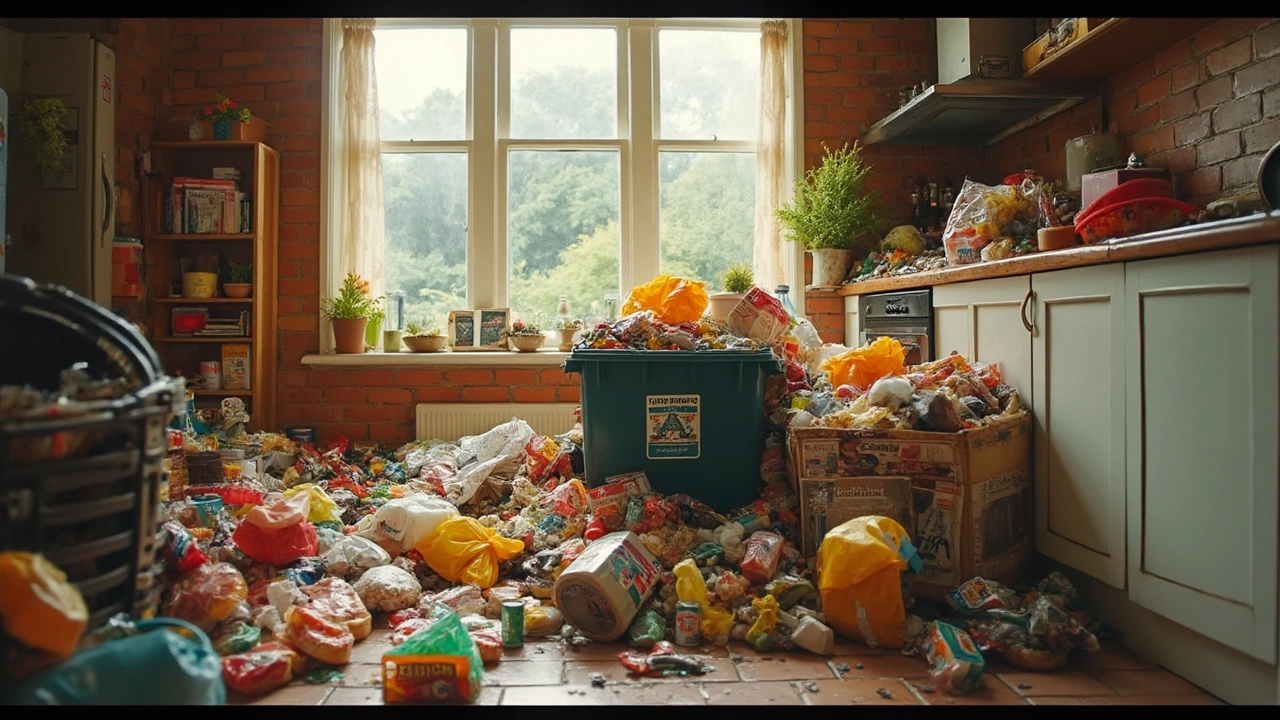
The Shocking Truth About Our Biggest Waste Product and How to Deal With It
Find out what the number one waste product is, why it matters, and how it impacts our daily lives. Get eye-opening facts, stats, and easy tips anyone can use.