Garden Planting Planner & Sun-Check
Your Planting Recommendation:
Главные секреты успешного сада
- Focus on soil biology, not just chemistry.
- Work with your local climate and sunlight patterns.
- Use natural pest management instead of harsh chemicals.
- Plan for biodiversity through companion planting.
- Stay consistent with small, frequent maintenance tasks.
It All Starts with the Soil
If you want a garden that actually lasts, stop looking at the plants and start looking at the dirt. Garden soil health is the foundation of every plant's ability to absorb nutrients and fight off disease. Most beginners make the mistake of buying the cheapest bag of dirt or treating their soil like a sterile medium that just needs a shot of synthetic nitrogen every few weeks. That's like trying to live on caffeine and vitamins without eating real food.
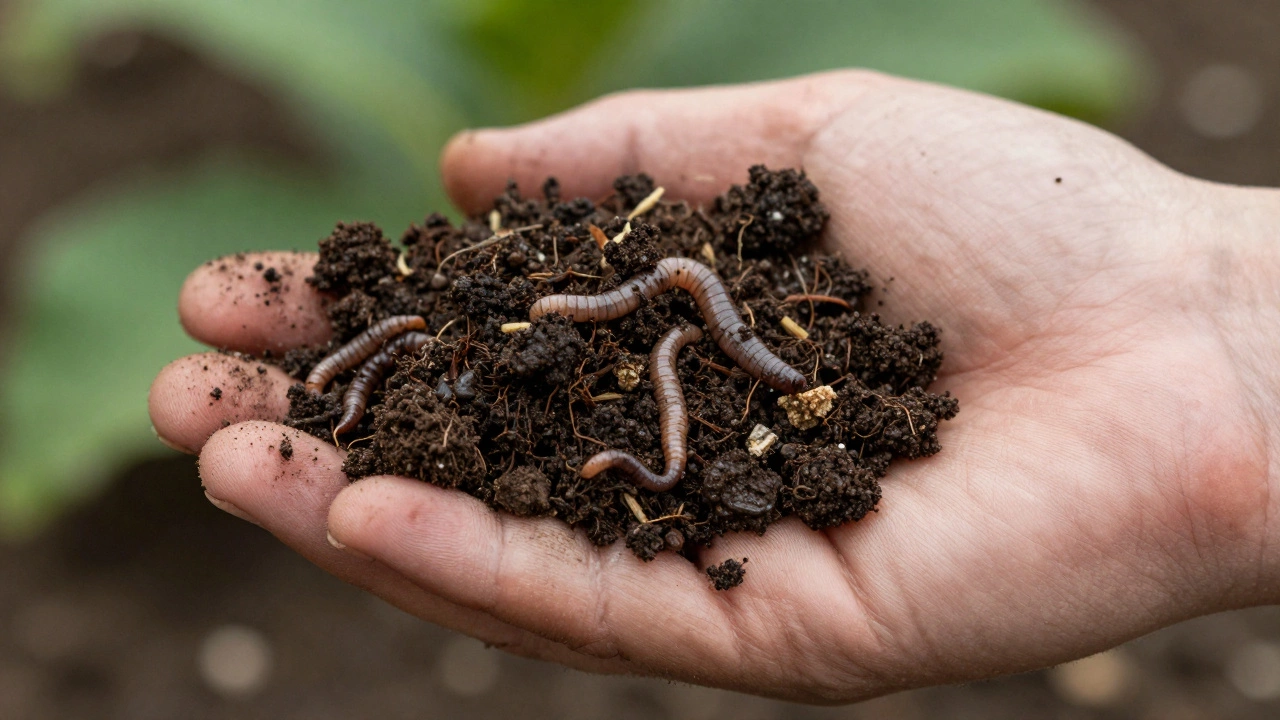
The real magic happens when you build Humus is the organic component of soil, formed by the decomposition of leaves and other plant material by soil microorganisms. When you add organic matter like compost, you aren't just adding nutrients; you're building a home for fungi and bacteria. For example, mycorrhizal fungi create a network that attaches to plant roots, effectively extending the root system's reach and helping the plant find water and phosphorus that it couldn't reach on its own. If your soil is hard as a rock and smells like nothing, it's dead. Healthy soil should be dark, crumbly, and have a rich, earthy scent.
To fix poor soil, don't just dig a hole and dump in chemicals. Try a "no-dig" approach. Layer cardboard over your grass, pile on six inches of Compost is decayed organic material used as a fertilizer and soil amendment, and let the worms do the heavy lifting for you. This preserves the soil structure and prevents you from waking up dormant weed seeds that love to be brought to the surface by a shovel.
Working With Your Sunlight and Space
You can buy the most expensive seeds in the world, but they will fail if you try to grow a sun-loving pepper in the deep shade of an oak tree. Understanding your "microclimates" is the second big key. A microclimate is just a small area in your yard that has different conditions than the rest-like a south-facing wall that holds heat or a low spot in the lawn where frost settles every morning.
Before planting, spend a weekend observing where the sun actually hits. A plant that needs "full sun" usually means at least six to eight hours of direct light. If you put a sun-hungry plant in a spot that only gets four hours of light, it will become "leggy," stretching its stem toward the light and becoming weak and susceptible to pests. On the flip side, planting delicate greens like spinach in the scorching afternoon sun will lead to "bolting," where the plant panics and shoots up a seed stalk, making the leaves bitter and inedible.
| Light Level | Ideal Plants | Common Mistakes | Best Location |
|---|---|---|---|
| Full Sun (6+ hours) | Tomatoes, Peppers, Zinnias | Overwatering in midday heat | Open center of the yard |
| Partial Shade (3-6 hours) | Lettuce, Kale, Root Veggies | Planting too deep in heavy clay | East side of the house |
| Full Shade (<3 hours) | Hostas, Ferns, Bleeding Hearts | Using high-nitrogen fertilizers | Under large canopy trees |
The Power of Companion Planting
A good garden isn't a collection of isolated plants; it's a community. Companion planting is the practice of planting different crops in close proximity to achieve benefits like pest control or pollination. This is where you move from being a gardener to being an ecosystem manager. Why plant a row of monoculture basil when you can intersperse it with your tomatoes?
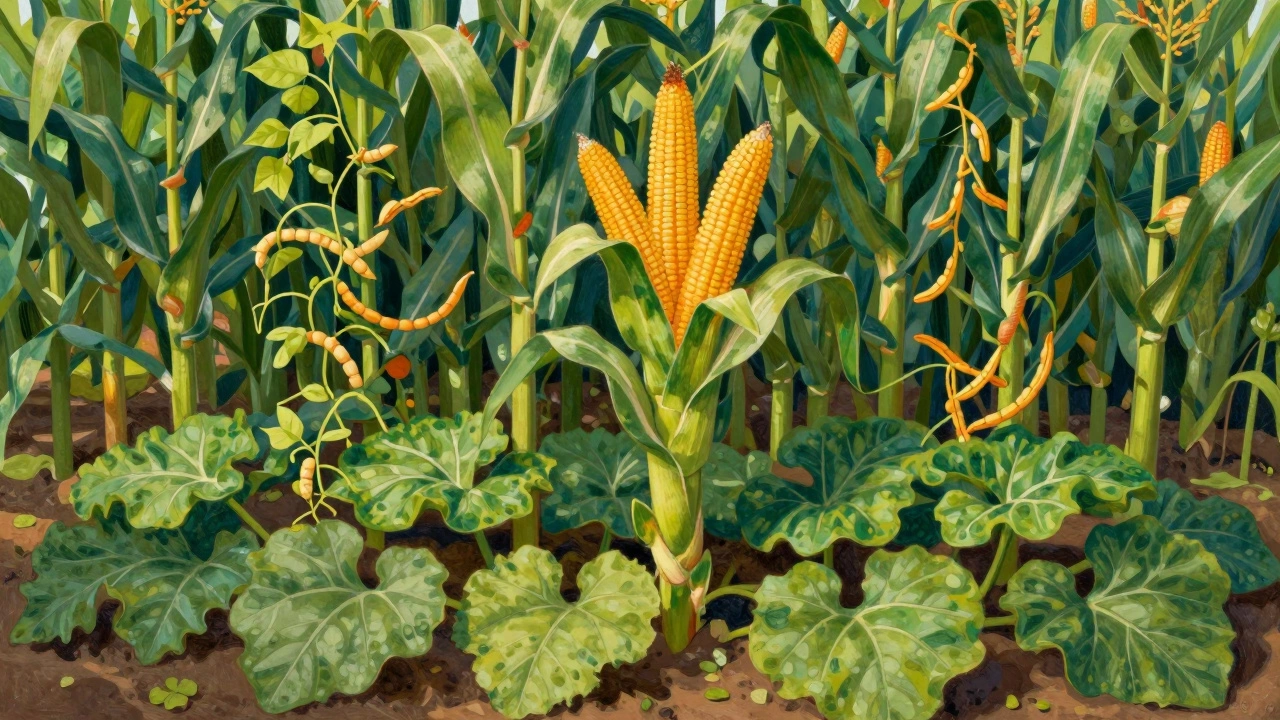
Take the classic "Three Sisters" method used by indigenous peoples in North America. They plant corn, beans, and squash together. The corn provides a ladder for the beans to climb. The Legumes are plants in the Fabaceae family that can fix nitrogen from the air into the soil, and the beans feed nitrogen back into the soil for the corn. Meanwhile, the large squash leaves act as a living mulch, shading the soil to keep it moist and preventing weeds from sprouting. It's a perfect loop of cooperation.
You can use this logic to handle pests without using poison. Planting Marigolds is flowers known for producing compounds that repel nematodes and other garden pests, around your vegetable patch can confuse aphids and repel whiteflies. Instead of spraying a chemical that kills every bug-including the good ones-you're using biology to create a natural barrier.
Managing Water and Waste
Watering is where most people go wrong. The instinct is to give plants a light sprinkle every day. This is actually the worst thing you can do. Shallow, frequent watering encourages roots to stay near the surface, which makes them weak and more likely to dry out during a heatwave. Instead, you want to water deeply and less frequently. This forces the roots to dive deep into the earth to find moisture, creating a plant that can survive a few days of neglect.
To stop the water from evaporating, you need mulch. Whether you use straw, shredded bark, or fallen leaves, a layer of mulch does three things: it keeps the soil cool, it holds moisture in, and as it breaks down, it feeds the soil. If you can see bare dirt in your garden, you're losing water and nutrients to the air. A healthy garden should look like a forest floor, not a groomed golf course.
Combine this with a simple rainwater harvesting system. Using Rainwater is water collected from precipitation, which is naturally softer and lacks the chlorine found in municipal water, is much better for your plants. Tap water often contains salts and chemicals that can build up in the soil over time, stressing the root system. A simple barrel under your downspout is often all you need to make a noticeable difference in plant vigor.
Consistency Over Intensity
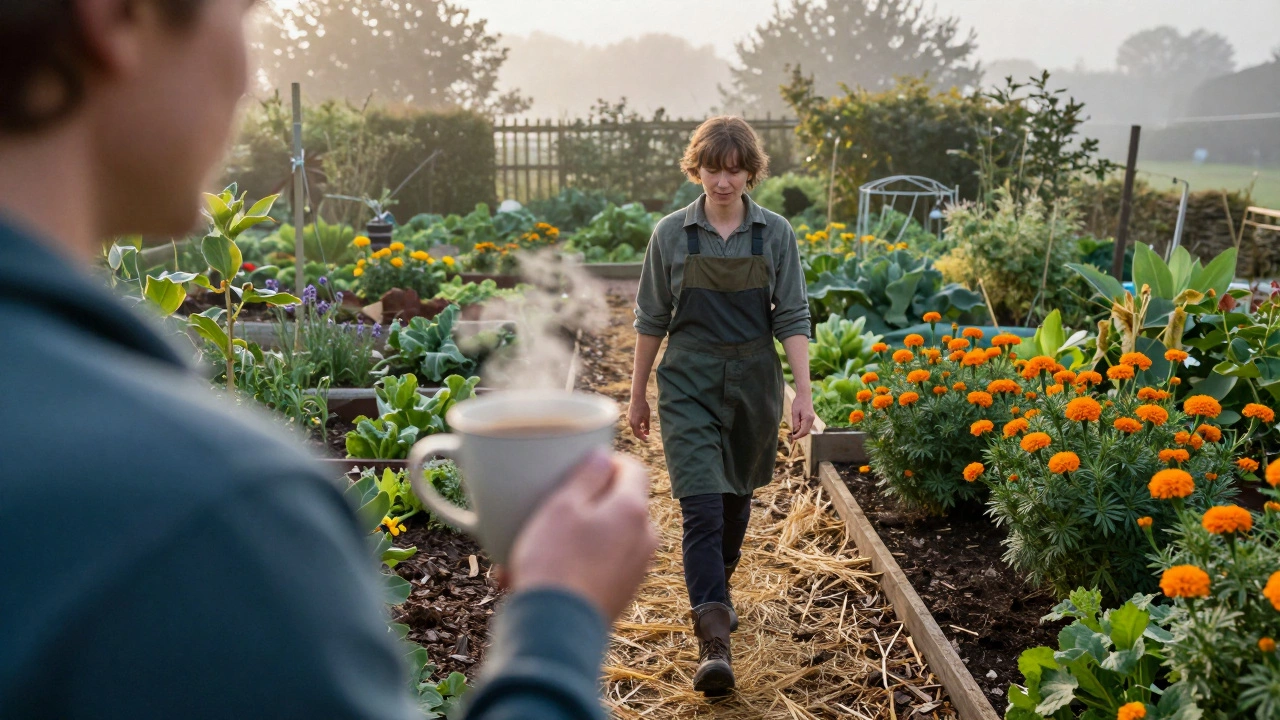
Many gardeners fall into the "weekend warrior" trap. They spend ten hours on a Saturday weeding and pruning, then ignore the garden for two weeks. This creates a shock cycle for the plants. A better approach is the "15-minute walk." Walk through your garden every morning with a cup of coffee. Look for the first sign of a yellowing leaf or the first few eggs of a cabbage moth. If you catch a problem when it's just one leaf, you can fix it with a pair of scissors. If you wait two weeks, you have a full-blown infestation that requires a total overhaul.
This habit also helps you notice the subtle changes in your environment. You'll start to see which plants are struggling in a particular corner or which pollinators are visiting your flowers. Gardening is a conversation with your land; if you only talk to it once every two weeks, you're missing most of the a conversation.
How do I know if my soil is healthy?
Perform a simple "squeeze test." Take a handful of moist soil and squeeze it. If it crumbles instantly, it's too sandy. If it stays in a hard, sticky ball, there's too much clay. Ideally, it should form a loose ball that breaks apart gently when poked. Also, look for earthworms; if you find 5-10 worms in a single shovel-full of dirt, your soil biology is thriving.
Is organic gardening more expensive?
Actually, it's often cheaper in the long run. While synthetic fertilizers are cheap upfront, they degrade soil health over time, forcing you to buy more chemicals to get the same result. Organic gardening relies on "waste" products like kitchen scraps, fallen leaves, and grass clippings to build fertility. Once your compost system is running, your primary input cost is virtually zero.
What is the easiest way to start a garden for beginners?
Start with container gardening or a single raised bed. It's much easier to control the soil quality and water levels in a small area. Choose three plants you actually enjoy eating-like cherry tomatoes, basil, and radishes-and focus on mastering those before expanding to the whole yard. This prevents the "overwhelmed gardener" syndrome where weeds take over because you tried to do too much at once.
Why are my plants yellowing even though I water them?
Yellowing (chlorosis) can be caused by too much water, too little nitrogen, or a pH imbalance. If the soil is constantly soggy, the roots can't breathe, causing them to rot and fail to take up nutrients. Check if the soil feels like a sponge; if so, stop watering and let it dry out. If the soil is dry, try adding a liquid organic seaweed fertilizer to give them a quick nutrient boost.
Do I really need to rotate my crops every year?
Yes, if you're growing in the same spot. Different plants eat different things. For instance, corn and cabbage are "heavy feeders" that strip nitrogen from the soil. If you plant them in the same spot year after year, the soil becomes depleted. By rotating them with legumes (which add nitrogen back), you naturally recharge the earth without needing synthetic chemicals.
Next Steps for Your Garden
If you're feeling overwhelmed, don't try to fix everything today. Start by setting up a simple compost bin in a corner of your yard. Throw in your vegetable scraps, eggshells, and coffee grounds. While that breaks down, start a soil diary: mark where the sun hits at 10 AM, 1 PM, and 4 PM. Once you have a basic map of your light and a pile of organic matter, the rest of the process becomes intuitive. Whether you have a massive backyard or just a few pots on a balcony, the principle remains the same: feed the soil, respect the light, and listen to your plants.