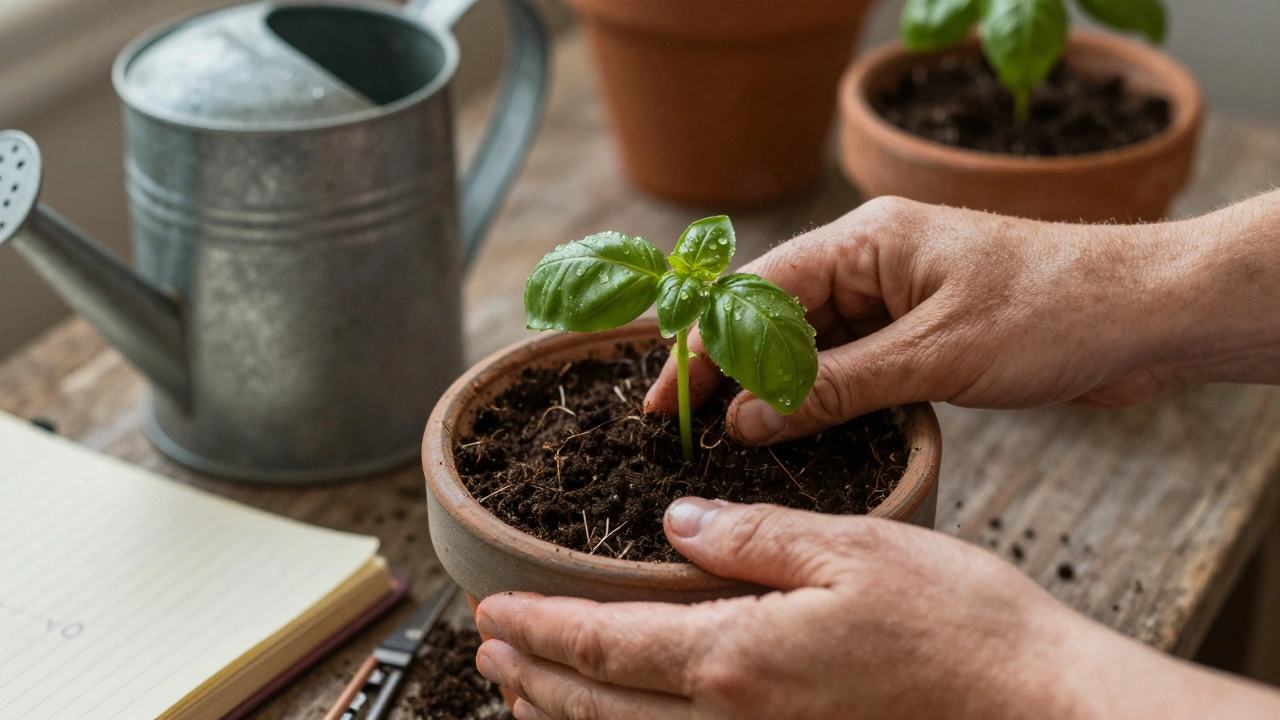
Most people think gardening is about planting seeds, watering, and waiting for flowers to bloom. But the real struggle? It’s not the weeds. It’s not the bugs. It’s not even the weather. The hardest thing about gardening is consistency.
Why Consistency Breaks Gardeners
You can buy the best seeds, the fanciest tools, and the most expensive soil. But if you don’t show up every day - even just for five minutes - your garden will fail. Gardening doesn’t care if you’re tired, busy, or forgot it was Tuesday. Plants grow on a clock you can’t reset. A tomato seedling needs water every 2-3 days, not when you remember. A succulent dies not from drought, but from irregular watering. One week of neglect, and your entire crop can collapse.Think about it: a seed doesn’t wait for your weekend. A fungus doesn’t pause because you’re on vacation. In Durban, where rain comes in sudden bursts and then vanishes for weeks, waiting for nature to remind you to water is a recipe for disappointment. The plants that survive aren’t the ones with the prettiest labels. They’re the ones tended by someone who showed up, rain or shine, even when they didn’t feel like it.
The Myth of the Perfect Garden
Social media makes gardening look easy. Instagram feeds are full of lush green walls, perfect rows of carrots, and roses that look like they were painted by hand. But behind every photo? A person who’s been at it for years. Someone who lost three batches of seedlings before they got one to survive. Someone who learned the hard way that perfect doesn’t mean healthy.When you start gardening, you expect results fast. You plant a basil seed and expect a bush by Friday. When it doesn’t happen, you feel like you’ve failed. But gardening isn’t about instant wins. It’s about learning to read the soil, the leaves, the sky. It’s about noticing when a leaf turns yellow not because you’re bad at this - but because the soil’s too wet, or the sun’s too harsh, or the pot’s too small. That’s the real skill: observation. And observation only comes with time.
Soil: The Silent Killer
Most beginners blame themselves when plants die. But the real culprit? Bad soil. In Durban, the coastal clay is heavy, drains poorly, and turns to cement when it dries. You can buy fancy potting mix from the store, but if you’re planting directly in the ground, you’re fighting nature. I’ve seen people plant strawberries in clay and wonder why they never fruit. The answer? Roots can’t breathe. They drown.Good soil isn’t just dirt. It’s a living system. It needs compost, mulch, and time to break down. The hardest part? Getting people to understand that you can’t just dump soil in a hole and expect miracles. You have to prepare it like you’d prep a bed for a guest. Turn it. Mix in organic matter. Let it rest. Test it. Most gardeners skip this step - and then give up when nothing grows.
Time vs. Patience
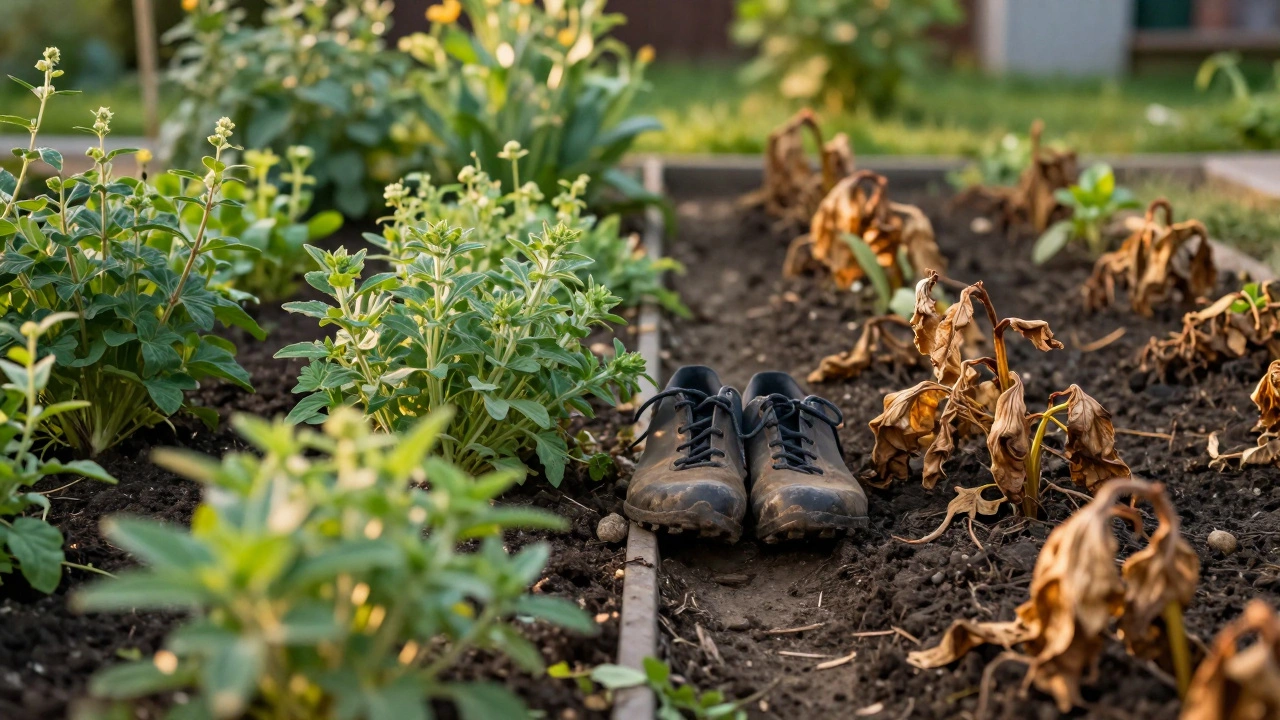
You can’t rush gardening. You can’t speed it up with fertilizer or loud music. A lemon tree takes five years to bear fruit. A fig tree? Seven. Some herbs take months just to establish roots. But modern life doesn’t reward patience. We want apps that fix things in seconds. Gardening asks you to sit still. To wait. To trust.That’s why so many people quit after one season. They expected a harvest in 30 days. When they didn’t get it, they thought they were bad at it. But the truth? They were impatient. Gardening doesn’t teach you how to grow plants. It teaches you how to grow yourself.
The Emotional Toll
Losing a plant feels personal. You named your rosemary plant. You talked to your sunflowers. You took pictures of your first chili pepper. When it withers? It hurts. It’s not just a plant. It’s a project. A promise. A little piece of hope you planted.That’s why the hardest part isn’t physical. It’s emotional. You put in effort, love, time - and then it dies anyway. The wind knocks over your seedlings. A sudden frost kills your tomatoes. A snail eats your kale overnight. You feel guilty. Like you didn’t care enough. But here’s the truth: even experienced gardeners lose plants. Every single one of them. The difference? They don’t take it personally. They learn. They adjust. They try again.
What Actually Works
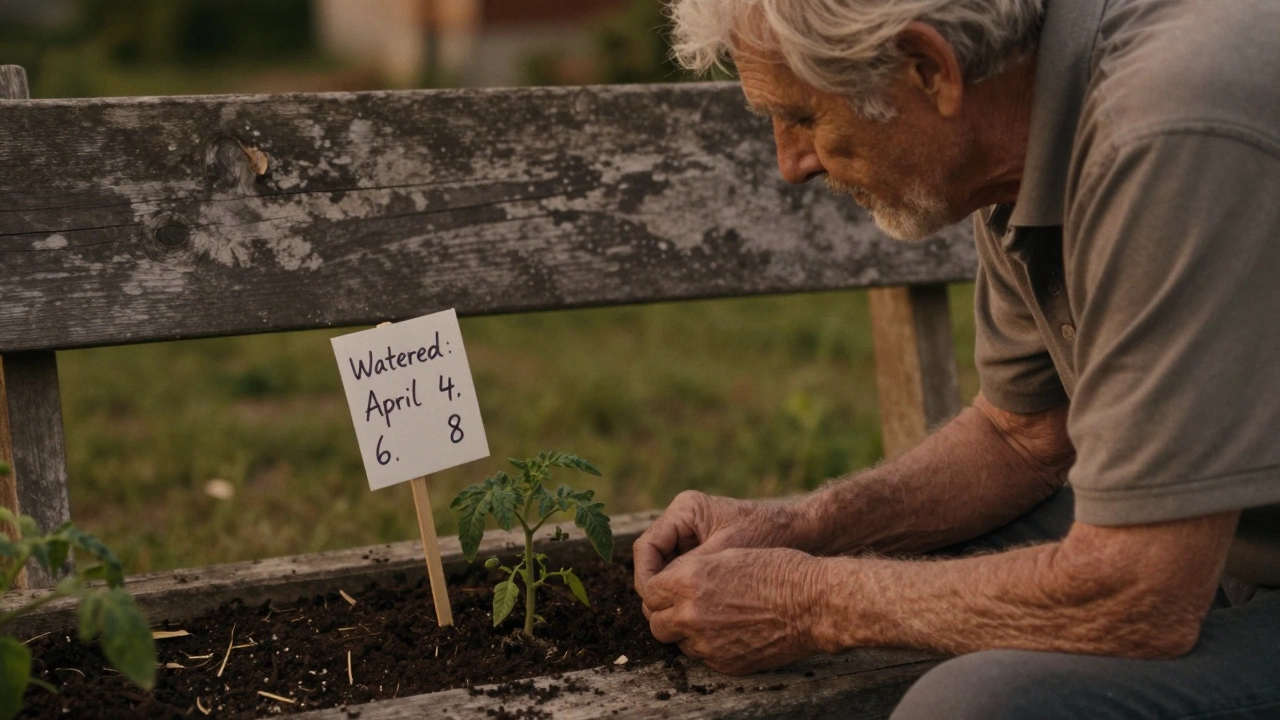
Start small. One pot. One kind of herb. Basil or mint. Something that grows fast and forgiving. Water it every other day. Don’t overthink it. Let yourself make mistakes. Watch how the leaves react. Notice when they droop. Learn what dry soil feels like under your fingers. That’s the real lesson.Keep a notebook. Not a fancy journal. Just a scrap of paper. Write down: Planted: April 3. Watered: April 4, 6, 8. Leaves yellowed on April 9. Moved to shade. Improved. That’s how you build consistency. Not by being perfect - by being present.
Find one gardening buddy. Someone nearby who’s also learning. Swap cuttings. Share stories of failures. Laugh about the snails. You’ll realize you’re not alone. And that makes the hard stuff easier.
Final Thought: It’s Not About the Garden
The hardest thing about gardening isn’t the soil, the sun, or the snails. It’s showing up when you don’t feel like it. It’s accepting that some things grow slowly. That some things die anyway. That you won’t always get it right.But when you do? When you pick your first homegrown tomato and taste the sun in it? That’s when you realize - this was never really about the garden. It was about learning to be still. To care. To wait. To try again tomorrow.
Is gardening expensive to start?
Not at all. You can start with a $5 pot, some recycled soil from last year, and seeds from your kitchen - like a saved chili or basil from a grocery store bunch. Most of the cost comes from buying things you don’t need. Focus on essentials: container, soil, water, and sunlight. Tools can wait.
Why do my plants keep dying even though I water them?
Overwatering kills more plants than underwatering. If the soil feels wet an inch below the surface, don’t water. Let it dry out. Plants need air at their roots, not a bath. Stick your finger in the soil - if it’s damp, wait. If it’s dry, water. That’s the rule.
What’s the easiest plant for beginners?
Mint. It grows fast, survives neglect, and doesn’t need perfect soil. Basil is another good choice - as long as you give it at least 6 hours of sun and don’t drown it. Both are forgiving, fast-growing, and give you quick rewards.
How do I know if my soil is bad?
If water pools on top and doesn’t soak in after 10 minutes, your soil is too heavy. If it crumbles to dust and blows away, it’s too sandy. Good soil holds moisture but drains well - like a damp sponge. Add compost or well-rotted manure to fix either problem. You don’t need a test kit - your fingers and eyes are enough.
Should I use fertilizer?
Not at first. Fertilizer is like sugar - it gives a quick boost but doesn’t fix weak roots. If your plant looks pale or stunted, fix the soil first. Add compost. Mulch. Let microbes do their job. Only add fertilizer if you’ve tried everything else and the plant still looks unhappy. Less is more.