Nutrient Synergy Plate Builder
Goal: Avoid "nutritional tunneling" by building a plate with a variety of colors and macronutrients. Select foods from each category to see how they work together!
🥦 Micronutrients
🍗 High-Quality Protein
🥑 Healthy Fats/Carbs
🫐 Antioxidants
Your Plate
Nutritional Analysis:
Quick Takeaways for Your Plate
- There is no single "best" food, but leafy greens and fatty fish consistently top the charts.
- Focus on variety to avoid nutrient gaps.
- Prioritize whole, unprocessed foods over supplements.
- Balance macronutrients (protein, fats, carbs) for sustained energy.
The Heavy Hitters: Foods That Come Closest to the Top
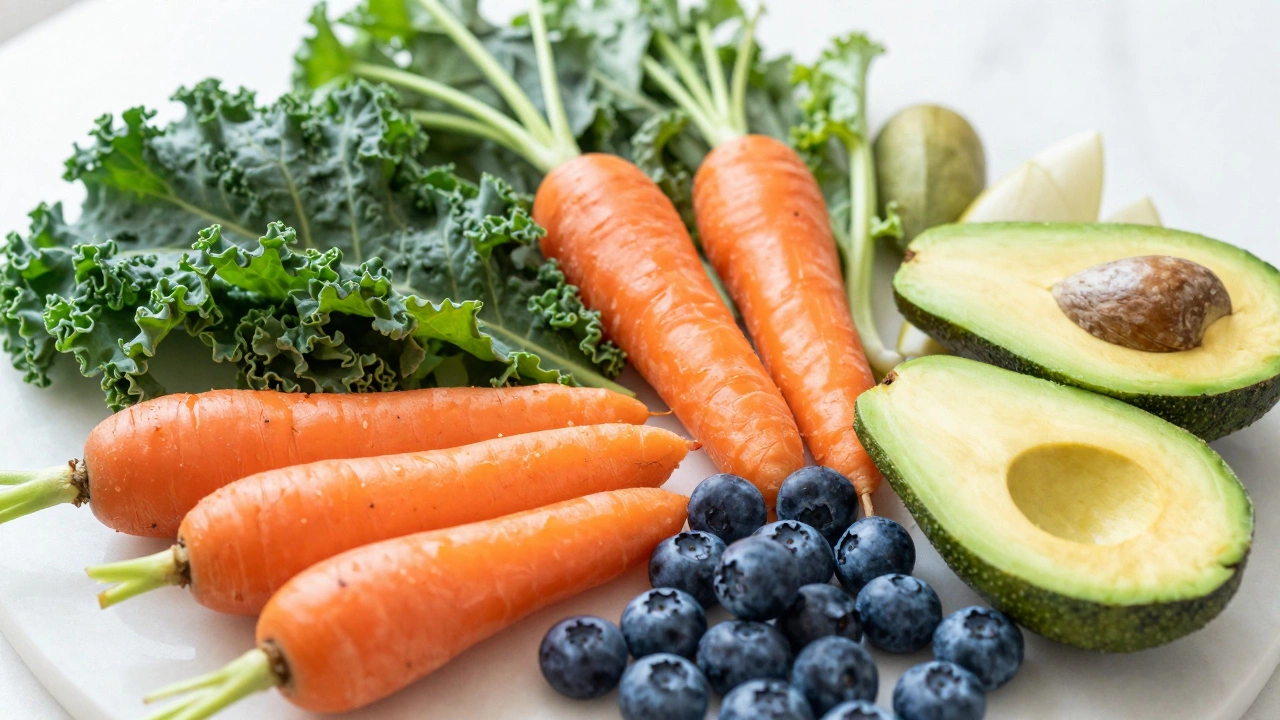
If we have to pick candidates for the "best" title, we look at foods that provide the highest density of essential nutrients. Kale is a cruciferous leafy green packed with vitamins A, K, and C, as well as antioxidants like quercetin. While it gets a lot of hype, it's a powerhouse because it supports blood clotting and bone health in a very small package. But if you only eat kale, you'll miss out on things like Omega-3s.
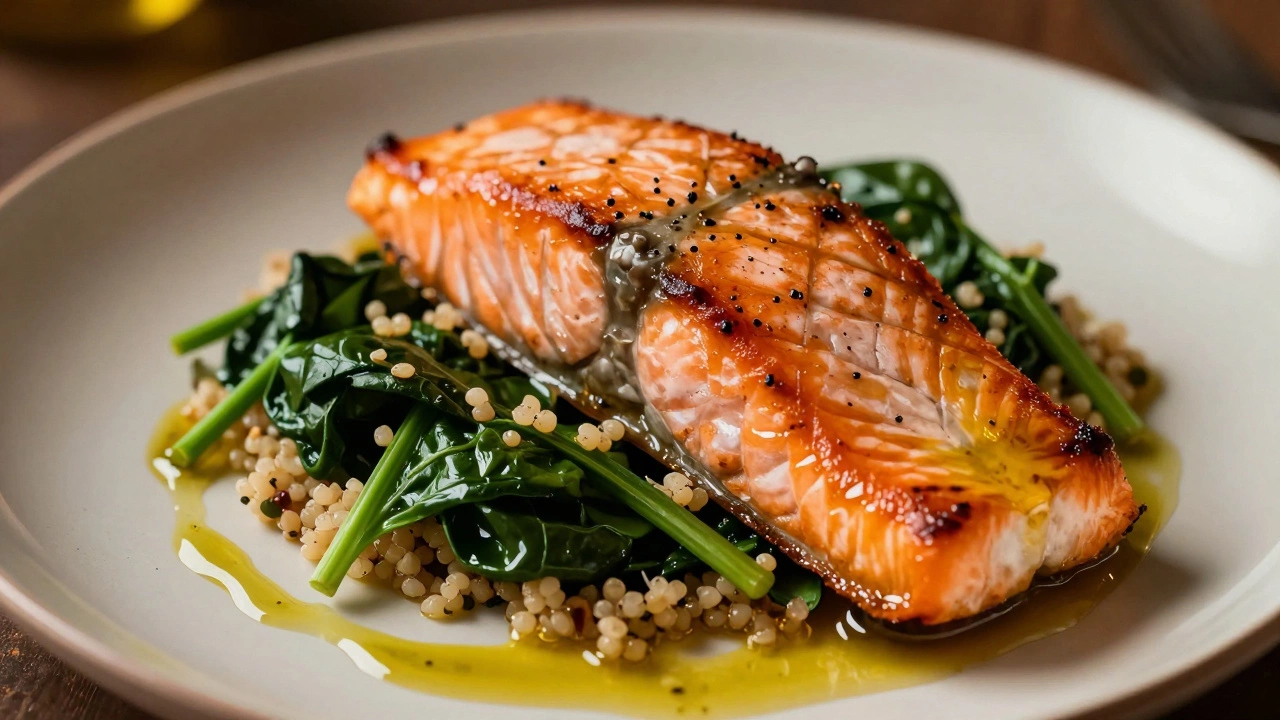
That's where Salmon enters the conversation. Salmon is a fatty fish rich in EPA and DHA omega-3 fatty acids, which are critical for reducing inflammation and maintaining cognitive function. A study from the American Heart Association indicates that eating fatty fish twice a week can significantly lower the risk of cardiovascular disease. Pairing a leafy green with a healthy fat isn't just a trend; it's a biological necessity because certain vitamins, like Vitamin K in kale, need fat to be absorbed by your body.
| Food Item | Primary Nutrient | Key Health Benefit | Caloric Density |
|---|---|---|---|
| Spinach | Iron & Folate | Oxygen transport in blood | Very Low |
| Blueberries | Anthocyanins | Brain health & Antioxidants | Low/Medium |
| Avocado | Monounsaturated Fats | Heart health & Satiety | High |
| Eggs | Choline & Protein | Brain function & Muscle repair | Medium |
Why the "One Best Food" Myth is Dangerous
The obsession with a single superfood often leads to "nutritional tunneling." This happens when someone starts eating a pound of blueberries a day because they heard it prevents aging, while ignoring the fact that they aren't eating enough protein or healthy fats. Your body operates on synergy. For example, Vitamin C from citrus fruits helps you absorb iron from plant sources like lentils. If you only focus on one "best" food, you break these chemical partnerships.
Consider the Mediterranean Diet, which is widely regarded by clinicians as one of the healthiest eating patterns. It doesn't rely on one ingredient; it's a system. It combines Olive Oil (a primary source of oleic acid) with legumes, whole grains, and fresh produce. The magic isn't in the olive oil alone-it's in how the oil helps the body process the nutrients in the vegetables.
Building Your Own "Best" Plate: The Hierarchy of Needs
Since there's no single winner, the best approach is to build a hierarchy. Start with the foundation: non-starchy vegetables. These provide the bulk of your micronutrients without spiking your blood sugar. Think broccoli, cauliflower, and peppers. These foods are high in fiber, which feeds your gut microbiome-the colony of bacteria in your intestines that regulates everything from your mood to your immune system.
Next, add high-quality proteins. Whether it's grass-fed beef, tofu, or wild-caught fish, protein is the building block for your cells. Without it, your muscles waste away and your hormones get wonky. Then, integrate a small amount of complex carbohydrates. Instead of white bread, go for Quinoa, which is a pseudo-cereal containing all nine essential amino acids. This gives you a slow release of energy rather than the "crash and burn" feeling you get from sugary cereals.
Common Pitfalls and How to Avoid Them
A common mistake is confusing "healthy" with "low calorie." A rice cake is low in calories, but it's nutritionally empty. On the other hand, a handful of walnuts is calorie-dense, but it's packed with brain-boosting fats. If you're constantly hungry, you're likely missing the "satiety triad": protein, fiber, and healthy fats. If your meal is just a salad (fiber) without any avocado or chicken (fat/protein), you'll be raiding the pantry an hour later.
Another trap is the "detox" phase. You'll see people drinking only celery juice for a week. While celery is great, your liver and kidneys are your actual detox organs, and they require a steady supply of amino acids and vitamins to function. Starving your body of these to "cleanse" is like firing your janitors and then wondering why the building is dirty.

Practical Tips for Sustainable Eating
You don't need a PhD in nutrition to eat well. Start by applying the "Rainbow Rule." If your plate has three different colors, you're likely hitting a variety of phytonutrients. For instance, the red in a tomato comes from lycopene, while the orange in a carrot comes from beta-carotene. Each color represents a different antioxidant that protects your cells from damage.
- Shop the Perimeter: Most grocery stores put the processed stuff in the middle aisles. Stick to the edges where the fresh produce, meat, and dairy live.
- Swap, Don't Stop: Instead of quitting carbs entirely, swap white rice for cauliflower rice or farro. It's easier to maintain a habit when you're replacing something rather than removing it.
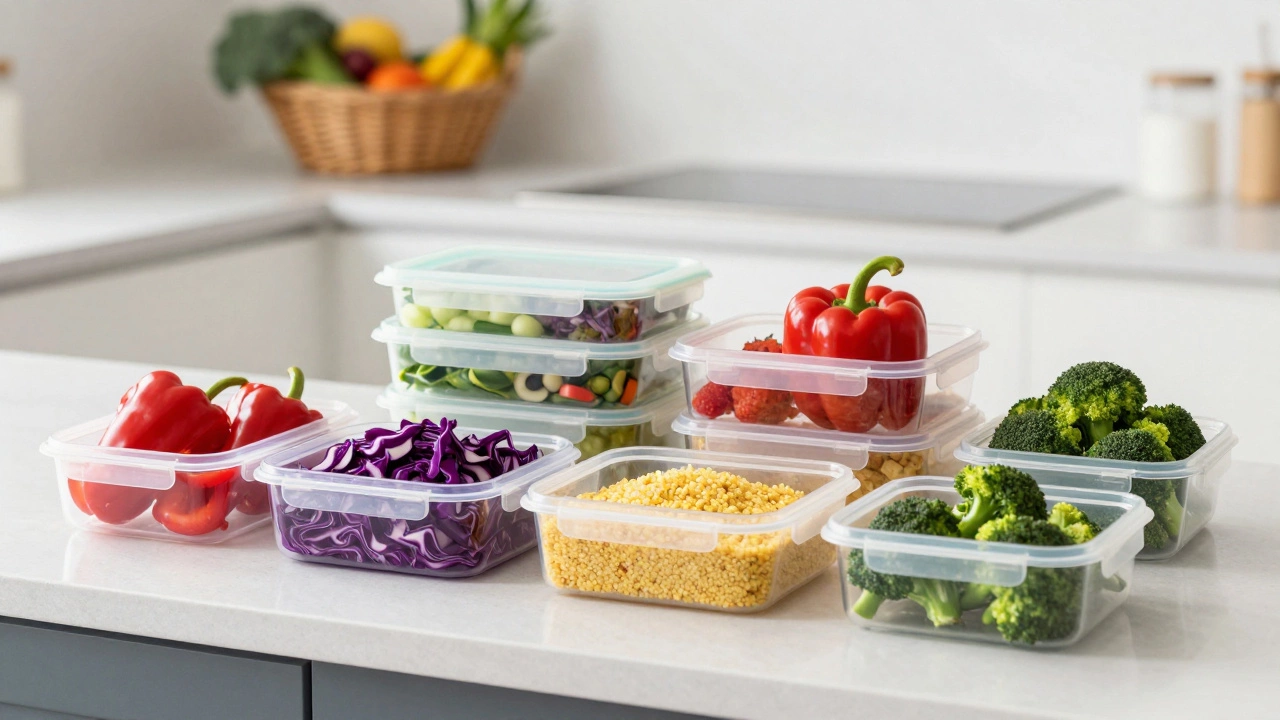
- Prep Your Proteins: Spend Sunday grilling chicken or roasting chickpeas. When you're tired on Wednesday night, you're less likely to order fast food if the hard part of the meal is already done.
Is there really no single best food?
Correct. Because human biology requires a wide spectrum of nutrients-amino acids, fatty acids, vitamins, and minerals-no single food can provide everything. A diet of only one "superfood" would eventually lead to malnutrition.
Are supplements a good replacement for whole foods?
Generally, no. Whole foods contain co-factors-small amounts of other nutrients that help the body absorb the main vitamin. For example, eating an orange gives you Vitamin C plus fiber and flavonoids, which you won't find in a synthetic pill.
What about fermented foods like Kimchi or Kefir?
These are incredibly valuable for gut health. They provide probiotics, which are live beneficial bacteria. Adding a small serving of fermented food to your daily routine can improve digestion and boost your immune system.
Can I eat the same healthy meal every day?
While it's better than eating junk, it's not ideal. Rotating your proteins and vegetables ensures you get a broader range of micronutrients and prevents your gut microbiome from becoming too one-dimensional.
Does "organic" always mean it's the best choice?
Not necessarily. A conventional head of broccoli is infinitely healthier than an organic chocolate chip cookie. Focus on the nutrient density first, then consider organic options if your budget allows.
Next Steps for Your Health Journey
If you're overwhelmed, don't try to overhaul your entire kitchen overnight. Start by adding one "power food" to your current routine. Maybe add a handful of spinach to your morning smoothie or swap your afternoon chips for a few walnuts. Once that becomes a habit, add another. The "best" way to eat is the one you can actually stick to for the next ten years, not the one that's perfect for ten days.