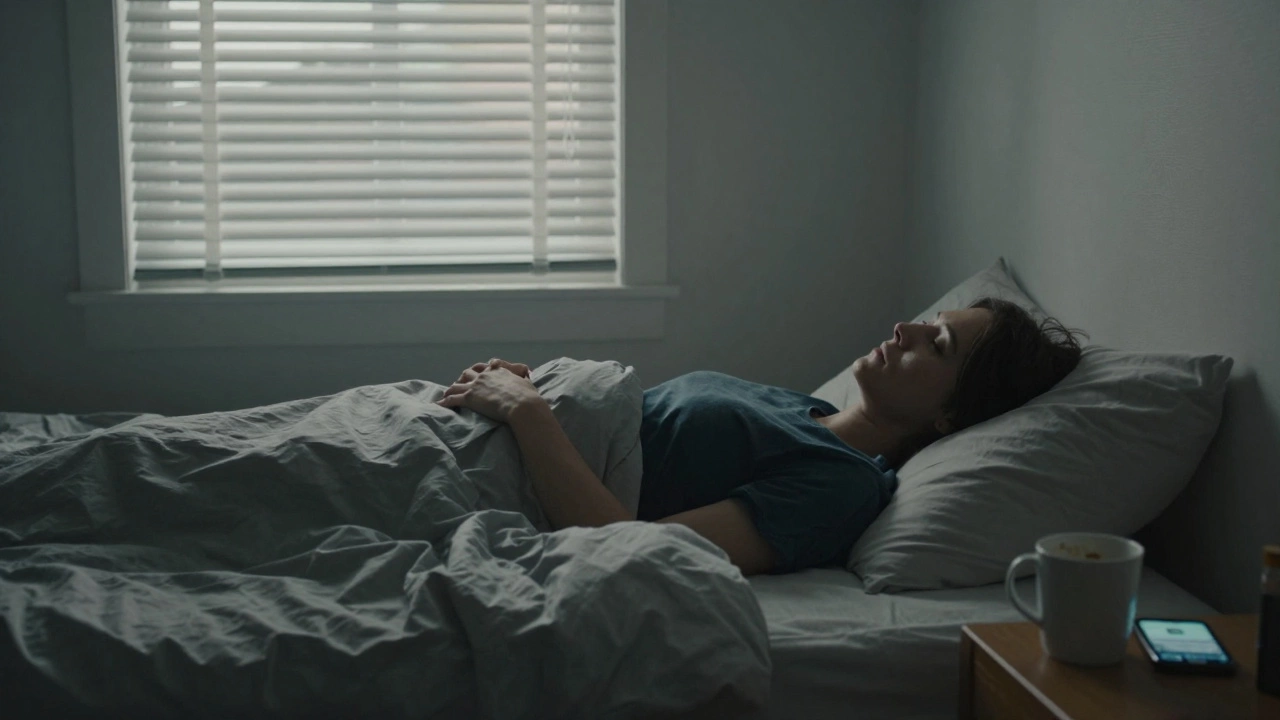
Most people don’t realize their mental wellbeing is slipping until they’re already drowning in it. It doesn’t always look like crying or breakdowns. Sometimes, it’s just… quieter than usual. You stop laughing at jokes that used to make you snort. You skip calls from friends. You lie in bed for an extra hour, staring at the ceiling, not because you’re tired-but because getting up feels impossible. These aren’t just bad days. They’re signals. Here are five clear signs your mental wellbeing is struggling-and what they actually mean.
You’re constantly exhausted, even after sleeping
You went to bed at 10 p.m., woke up at 6 a.m., and still feel like you’ve been dragged through a mud pit. Coffee doesn’t help. Naps don’t help. This isn’t about how many hours you slept. It’s about how your brain is working overtime just to keep you functional. When your mind is under stress, it doesn’t shut off. It replays conversations, worries about tomorrow, or obsesses over things you can’t control. That mental noise drains you more than physical labor. A 2023 study from the South African Depression and Anxiety Group found that 68% of people reporting chronic fatigue also showed signs of unresolved emotional stress-not physical illness.
You’re pulling away from people you care about
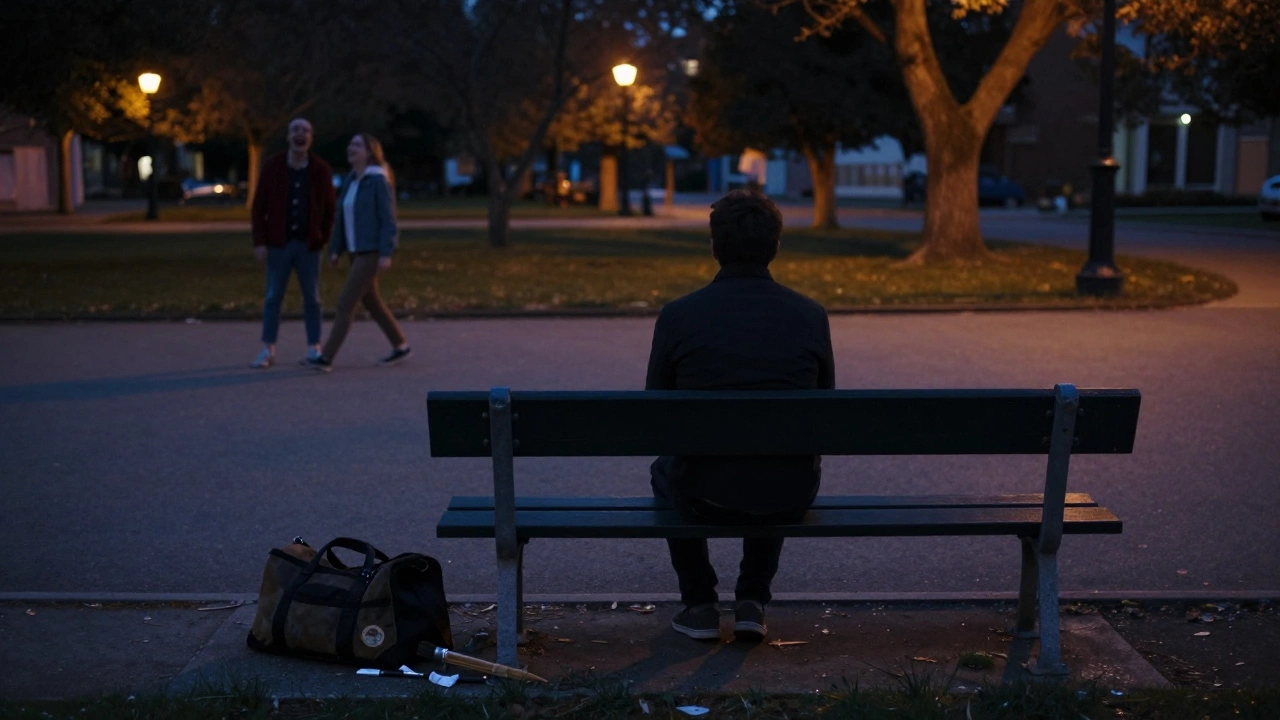
You used to text your sister every Sunday. Now it’s been three weeks. You used to join group dinners. Now you make excuses. You tell yourself you’re just busy. But deep down, you’re avoiding people because being around them feels like too much effort. Social withdrawal isn’t about being introverted. It’s about emotional depletion. When your mental load is too heavy, connecting feels like climbing a hill in flip-flops. You don’t want to fake being okay. You don’t want to explain why you’re not okay. So you disappear. This isn’t laziness. It’s self-preservation. And it’s one of the earliest red flags that something’s off.
Your sleep is all over the place
You’re either lying awake until 3 a.m., your mind racing with thoughts you can’t turn off, or you’re sleeping 12 hours and still feel like you’ve been hit by a truck. Sleep doesn’t just happen. It’s a reflection of your inner state. Poor mental wellbeing messes with your circadian rhythm. Anxiety keeps your brain on high alert. Depression makes your body want to hide under the covers. The National Institute of Mental Health says that 80% of people with untreated depression experience sleep disturbances-either insomnia or hypersomnia. If your sleep has changed noticeably over the last month, it’s not just a coincidence. It’s a symptom.
You snap at people for no reason
You yelled at your kid because they left their shoes in the hallway. You snapped at your coworker for asking a simple question. You hung up on your mom because she asked how you were doing. You didn’t mean to. You didn’t even feel angry. But something inside you just cracked. This isn’t about being a bad person. It’s about being overwhelmed. When your emotional reserves are low, your patience vanishes. Small things feel like big threats. Your nervous system is on edge, and it’s lashing out at anything nearby. This is your body screaming for rest. Not more discipline. Not better manners. Just space to heal.

You’ve lost interest in things you used to love
You used to paint on weekends. Now the brushes are dusty. You used to run every morning. Now the gym bag sits in the closet. You used to cook elaborate meals for friends. Now you order takeout three nights a week. It’s not that you’re lazy. It’s that your brain has stopped releasing the chemicals that make things feel rewarding. This isn’t a phase. It’s anhedonia-the clinical term for losing pleasure in activities you once enjoyed. It’s one of the most telling signs of depression. You don’t hate painting. You just don’t care anymore. And that numbness? That’s your mind protecting itself from pain. But it’s also telling you: you need help.
It’s not weakness. It’s a signal.
These five signs don’t mean you’re broken. They mean you’re human. Your mind is trying to tell you something, and you’ve been ignoring it because society tells you to push through. But mental wellbeing isn’t about being strong all the time. It’s about listening. If you recognize even one of these signs in yourself, you’re already on the path to healing. Start small. Talk to someone you trust. Skip one thing on your to-do list. Go for a walk without your phone. Sleep in. Say no. You don’t need a grand solution. You just need to stop pretending you’re fine when you’re not.
Can poor mental wellbeing lead to physical health problems?
Yes. Chronic stress and emotional strain trigger inflammation in the body, which increases the risk of high blood pressure, heart disease, digestive issues, and weakened immunity. The mind and body aren’t separate systems-they’re deeply connected. Ignoring mental wellbeing can silently damage your physical health over time.
Is it normal to feel this way sometimes?
Everyone has low days. But if these signs last more than two weeks, affect your daily life, or make you feel hopeless, it’s not just a rough patch. It’s a signal your system needs support. Normal isn’t the same as sustainable.
Can I fix this on my own?
Self-care helps-sleep, movement, healthy food, time in nature. But if you’re already struggling with emotional exhaustion or withdrawal, you’re likely too drained to fix it alone. Talking to a therapist, counselor, or even a trusted doctor isn’t giving up. It’s choosing to heal.
What if I don’t have money for therapy?
Many community clinics in South Africa offer free or low-cost mental health services. Online platforms like My Mental Health and the South African Depression and Anxiety Group provide free chat and phone support. You don’t need a private therapist to start healing. You just need to reach out.
How do I know if I’m getting better?
You’ll notice small shifts: you laugh at a meme without forcing it. You text a friend back without overthinking. You sleep through the night. You feel curious about something again. Recovery isn’t loud. It’s quiet. It’s the return of tiny joys you thought you’d lost.