Sustainable Fashion Impact Calculator
How Your Fast Sustainable Fashion Choice Really Impacts the Planet
This tool reveals the hidden environmental cost of fast sustainable fashion compared to quality pieces.
Results
Enter your details to see your true impact.
Sustainable Alternative Comparison
How one quality piece compares to your fast sustainable purchase:
1 Quality Piece
Lasts 5+ years
$40/year
Fast sustainable fashion sounds like an oxymoron. How can something that moves at the speed of TikTok trends also be kind to the planet? Yet here we are - brands are slapping "sustainable" on collections that drop every two weeks, using terms like "conscious cotton" and "low-impact dyes" while churning out millions of pieces. If you’ve ever paused mid-scroll, wondering if this is real change or just greenwashing in a recycled polyester hoodie, you’re not alone.
What Fast Sustainable Fashion Actually Means
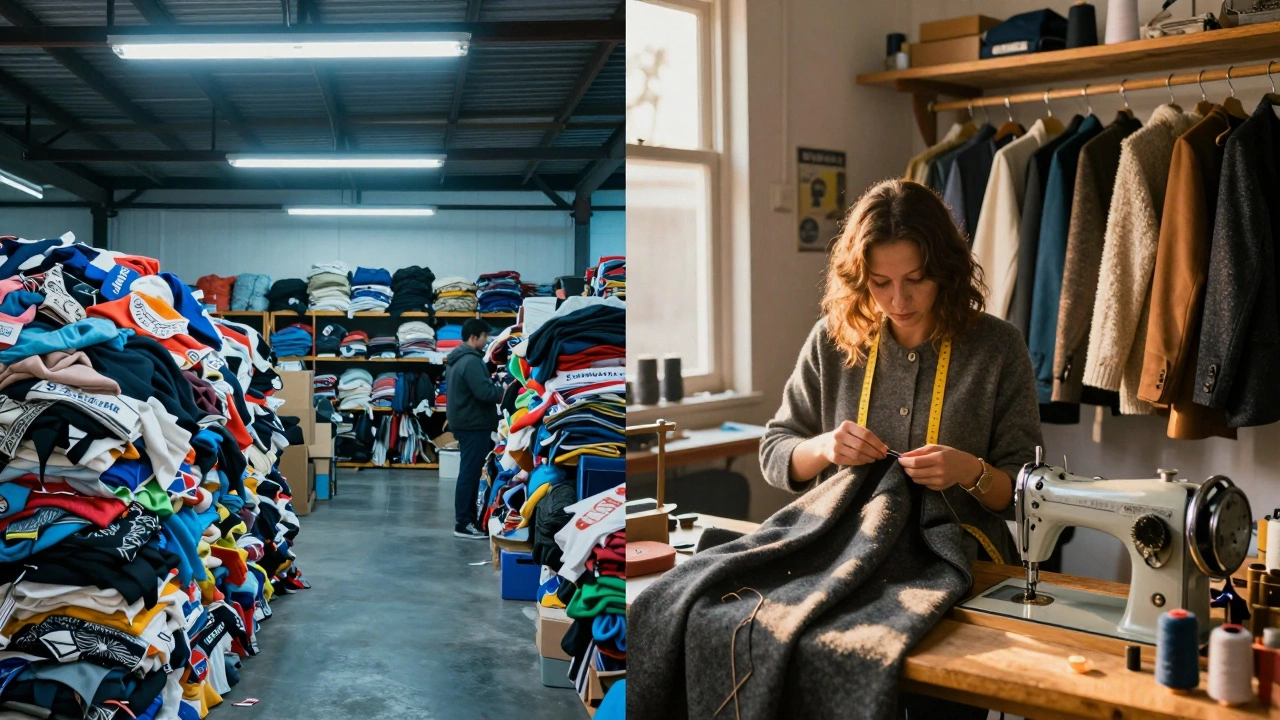
Fast sustainable fashion isn’t a new category - it’s a contradiction wrapped in marketing. It refers to brands that try to copy the speed and affordability of fast fashion (think Shein, Zara, H&M) while claiming environmental or ethical improvements. They might use organic cotton, recycle plastic bottles into fabric, or promise carbon-neutral shipping. But here’s the catch: they still produce way too much, sell it too cheap, and encourage you to buy more than you need.
Take a typical fast sustainable brand: 12 new drops a year, 80% of items made from recycled polyester, $12 T-shirts, and a "shop more, save more" loyalty program. The math doesn’t add up. Recycling polyester doesn’t make it biodegradable. Using organic cotton still uses tons of water. And if you’re buying a new top every time a new color drops, you’re not reducing consumption - you’re just changing the label.
How It Differs From Traditional Fast Fashion
Traditional fast fashion is built on exploitation: low wages, unsafe factories, and fabrics that shed microplastics into oceans. Fast sustainable fashion tries to fix one piece of that puzzle - usually the environmental angle - but ignores the rest.
For example, a brand might use organic cotton grown without pesticides. That’s good. But if that cotton is shipped from India to a factory in Bangladesh, then packed in plastic and flown to Europe for a 48-hour sale, the carbon footprint balloons. And if workers are still paid $1.50 an hour to sew those shirts? That’s not sustainable - that’s just rebranded.
True sustainable fashion asks: How little do we need to make? Fast sustainable fashion asks: How fast can we make less-bad stuff? The difference is in the philosophy, not the fabric.
The Real Environmental Cost
Let’s look at numbers. A 2024 study from the Ellen MacArthur Foundation found that even "eco-conscious" fast fashion brands produce 30% more waste per item than slower, higher-quality brands. Why? Because they rely on volume. A $15 dress might use 70% less water than a $50 conventional one - but if you buy five of them in a month, you’re using five times the water.
Then there’s the microplastic problem. Most "sustainable" fabrics like recycled polyester are still plastic. Every wash releases thousands of tiny fibers into water systems. A 2025 report from the University of Cape Town showed that in coastal cities like Durban, 62% of microplastic pollution in harbors came from clothing - not plastic bottles or packaging.
And don’t forget disposal. Fast sustainable brands often don’t take back old clothes. Or if they do, less than 15% get repaired or reused. The rest? Landfilled. Or incinerated. The "circular economy" promise? Mostly just a slogan.
Why It’s So Popular
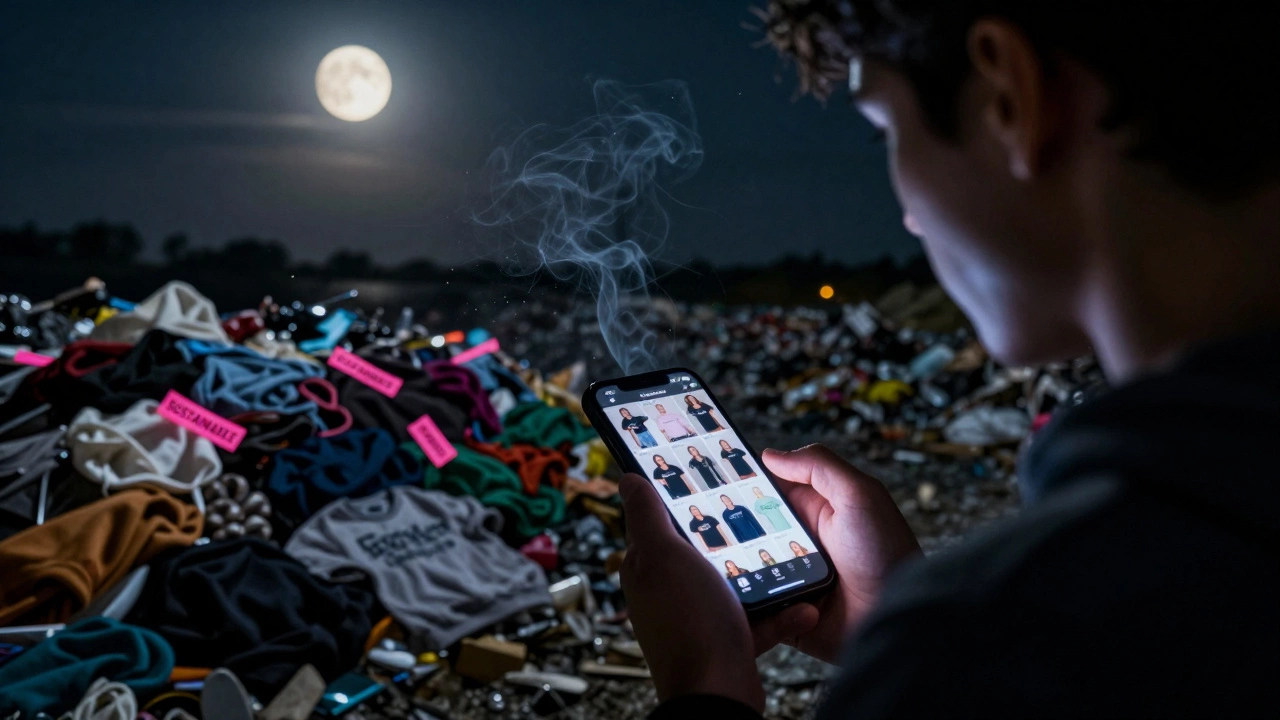
You can’t blame consumers for falling for it. Social media makes it feel like you’re doing the right thing. A post says: "I bought this dress and saved 300 liters of water!" But they didn’t mention they bought three other outfits that week.
Also, price matters. A $20 "sustainable" hoodie feels affordable. A $120 ethical wool coat feels like a splurge. But here’s the truth: if you buy one $120 coat and wear it for five years, you’re spending $24 a year. Buy five $20 "sustainable" hoodies? You’re spending $100 a year - and tossing four of them before winter even ends.
Plus, algorithms feed us new "sustainable" styles every day. The dopamine hit of a new outfit, paired with guilt-free marketing, makes it addictive. We think we’re voting with our wallets. But we’re just feeding the machine.
What True Sustainable Fashion Looks Like
Real sustainable fashion doesn’t need to be fast. It’s about durability, repair, and reuse. Think:
- One well-made jacket that lasts 10 years
- Local tailors who fix seams and replace zippers
- Secondhand markets where clothes change hands, not landfills
- Brands that design for disassembly - so materials can be separated and recycled properly
Some brands are doing this right. In South Africa, companies like Ubuntu Threads is a Durban-based brand that uses deadstock fabric, pays fair wages, and offers free repairs for life. In the UK, People Tree is a pioneer in fair trade fashion since 1991, with transparent supply chains and no seasonal collections. These brands don’t have 50 new styles every month. They have 8. And they’re built to last.
What You Can Do Instead
You don’t need to stop buying clothes. But you do need to stop buying mindlessly.
- Ask: "Will I wear this at least 30 times?" If not, skip it.
- Check the label: Is it 100% natural fiber? (Cotton, linen, wool, hemp) Or is it blended with polyester? Avoid blends - they’re unrecyclable.
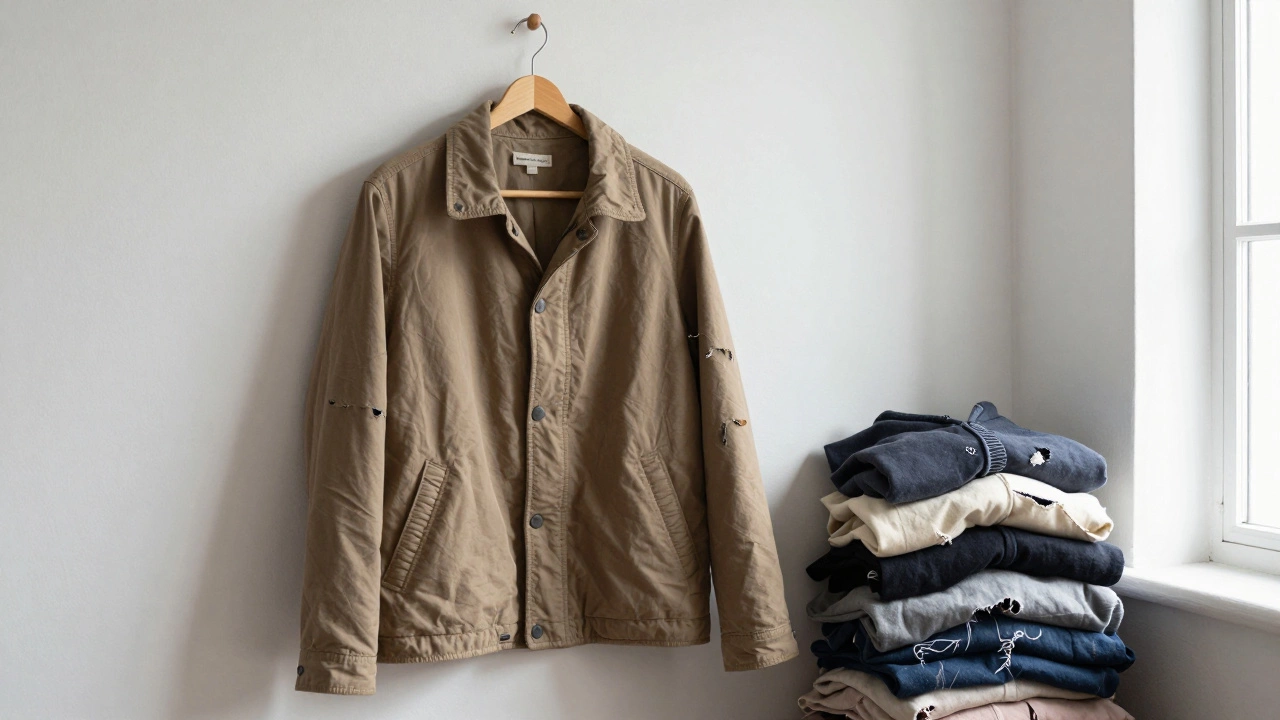
- Support local repair shops. A $5 stitch can extend a garment’s life by years.
- Shop secondhand first. Apps like Depop, Vinted, or local thrift stores have better quality than most "sustainable" fast fashion.
- Wait 30 days before buying. If you still want it after a month, you probably need it.
Also, pressure brands. Ask them: "Where are your factories?" "What’s your repair rate?" "Do you actually take back old clothes?" If they can’t answer, they’re not serious.
The Bottom Line
Fast sustainable fashion isn’t the solution - it’s a distraction. It lets us feel good while keeping the system broken. Real change doesn’t come from buying a new "eco" hoodie. It comes from buying less, wearing longer, and demanding better.
The planet doesn’t need more clothes. It needs fewer, better ones.
Is fast sustainable fashion really better than regular fast fashion?
It’s slightly better in some areas - like using less water or recycled materials. But it still promotes overconsumption, generates waste, and often hides poor labor practices. The environmental gains are erased by the sheer volume of production. It’s not a fix - it’s a band-aid.
Can recycled polyester be considered sustainable?
Recycled polyester reduces plastic waste from oceans and landfills - that’s a plus. But it’s still plastic. It sheds microfibers during washing, doesn’t biodegrade, and can’t be recycled more than once or twice. It’s a downgrade from virgin polyester, not a solution.
Why do brands use "sustainable" if it’s misleading?
Because it sells. Consumers are willing to pay more for eco-friendly labels. Brands exploit that by using vague terms like "green," "conscious," or "planet-friendly" without third-party certifications. There’s little regulation, so greenwashing is easy and profitable.
What’s the best alternative to fast sustainable fashion?
Buy less. Choose quality over quantity. Support brands with transparent supply chains, fair wages, and repair programs. Shop secondhand. Mend what you own. The most sustainable garment is the one you already have.
Do I have to stop buying new clothes entirely to be sustainable?
No. But you do need to change how you buy. One well-made, timeless piece worn for years is better than five cheap "sustainable" items thrown away after a season. Focus on durability, repairability, and how often you’ll actually wear it.