2025 November Archive: Mental Health, Work-Life Balance, and Sustainable Living
When you think about work-life balance, the way people manage time between professional duties and personal life. Also known as personal time management, it’s no longer just about clocking out at five—it’s about energy, boundaries, and whether your job is draining you or feeding you. In November 2025, over half of UK workers reported feeling burned out, not because they worked too many hours, but because the lines between work and home vanished. Remote work didn’t just change where we work—it changed how we think about rest. And that’s why the posts this month zero in on three real types of work-life balance: boundary-based, integration-based, and energy-based. Only one lasts. The rest? They leave you exhausted by December.
It’s not just about time. It’s about mental health, your emotional and psychological well-being. Also known as emotional resilience, it’s what keeps you from snapping when your inbox explodes or your partner forgets to take out the trash. Therapists aren’t telling you to read ten self-help books a month. They’re saying: pick one that’s backed by science, not vibes. The right book can be a tool—like a stretch for your mind. But the wrong one? It’s just noise. This month’s articles cut through the fluff and show you exactly which self-help books therapists actually recommend—and why most of them fail.
And then there’s the quiet rebellion happening in supermarkets. eco-friendly products, goods made with less harm to the planet. Also known as sustainable shopping, they’re marketed everywhere—but do people actually buy them? The answer isn’t what you think. Price, greenwashing, and convenience are stopping more people than apathy. Meanwhile, mindful exercise isn’t about yoga poses or Instagram captions. It’s about feeling your feet hit the ground, your breath move your ribs, and your shoulders drop—not because you’re trying to burn calories, but because you’re finally present. That’s the thread running through all these posts: real change doesn’t come from grand gestures. It comes from small, daily choices—how you move, what you eat, who you listen to, and whether you let work steal your peace.
You’ll find practical advice here—not theory. How to prep pasta so it doesn’t turn to mush by Wednesday. How to make your partner feel seen without saying a word. How to spot a fake eco-label. These aren’t perfect solutions. They’re real ones. And they’re all tested by people living this life right now, not just talking about it.
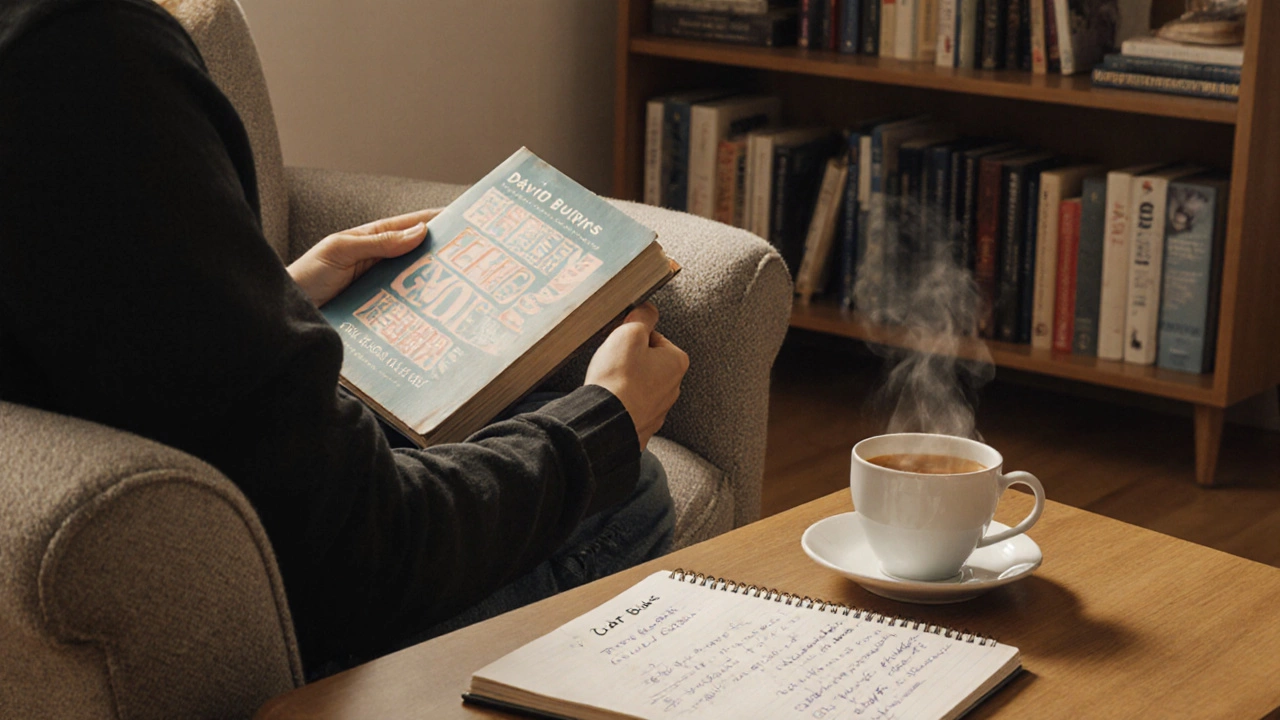
Do Therapists Recommend Self-Help Books? What the Experts Actually Say
Therapists do recommend self-help books-but only if they're evidence-based, practical, and written by qualified professionals. Here’s what works, what doesn’t, and how to choose the right ones.
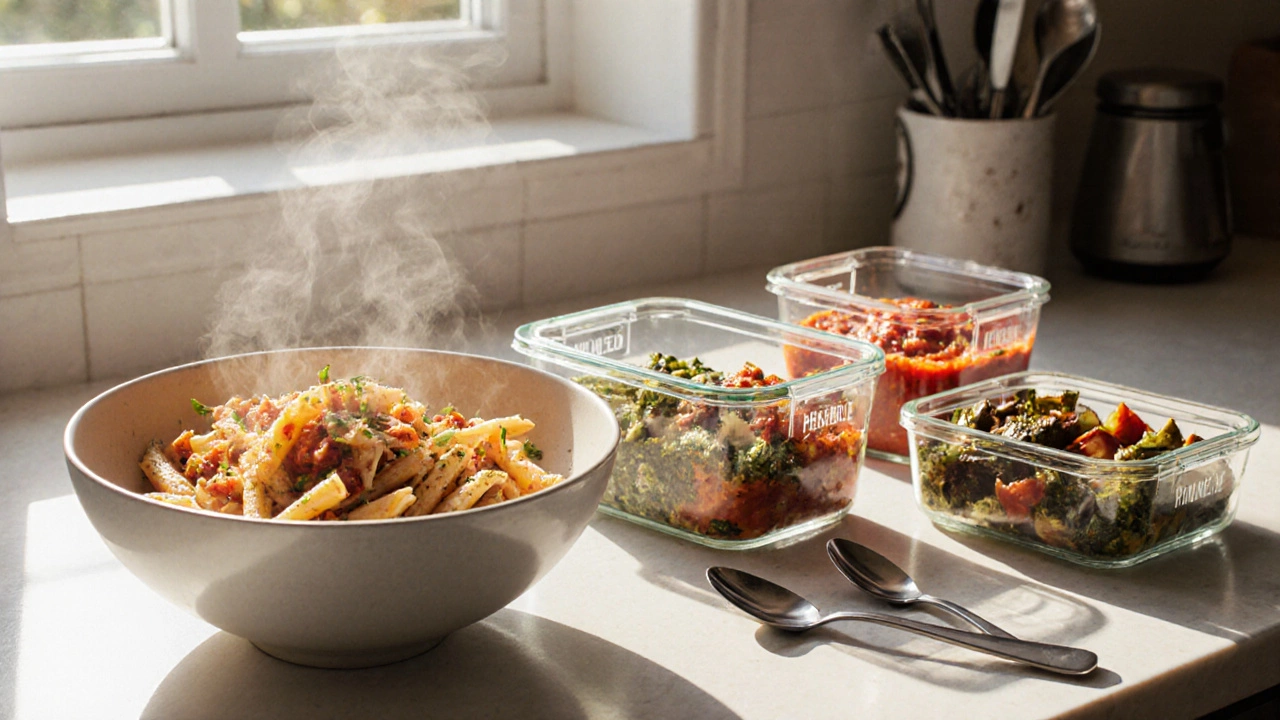
Is Pasta Good for Meal Prep? The Real Benefits and Best Ways to Do It
Pasta is one of the best foods for meal prep-affordable, filling, and easy to store. Learn how to cook, store, and reheat it right so it stays tasty all week.

How to Make a Woman Happy Every Day: Real Ways to Build Lasting Joy
Real, daily habits-not grand gestures-build lasting happiness in relationships. Learn how presence, shared responsibility, and small acts of care create a foundation of joy that lasts.

What Is Mindful Exercise? A Simple Guide to Moving with Awareness
Mindful exercise is movement done with full awareness-focusing on breath, sensation, and rhythm instead of goals or performance. It reduces stress, improves body awareness, and can be practiced anywhere, anytime.
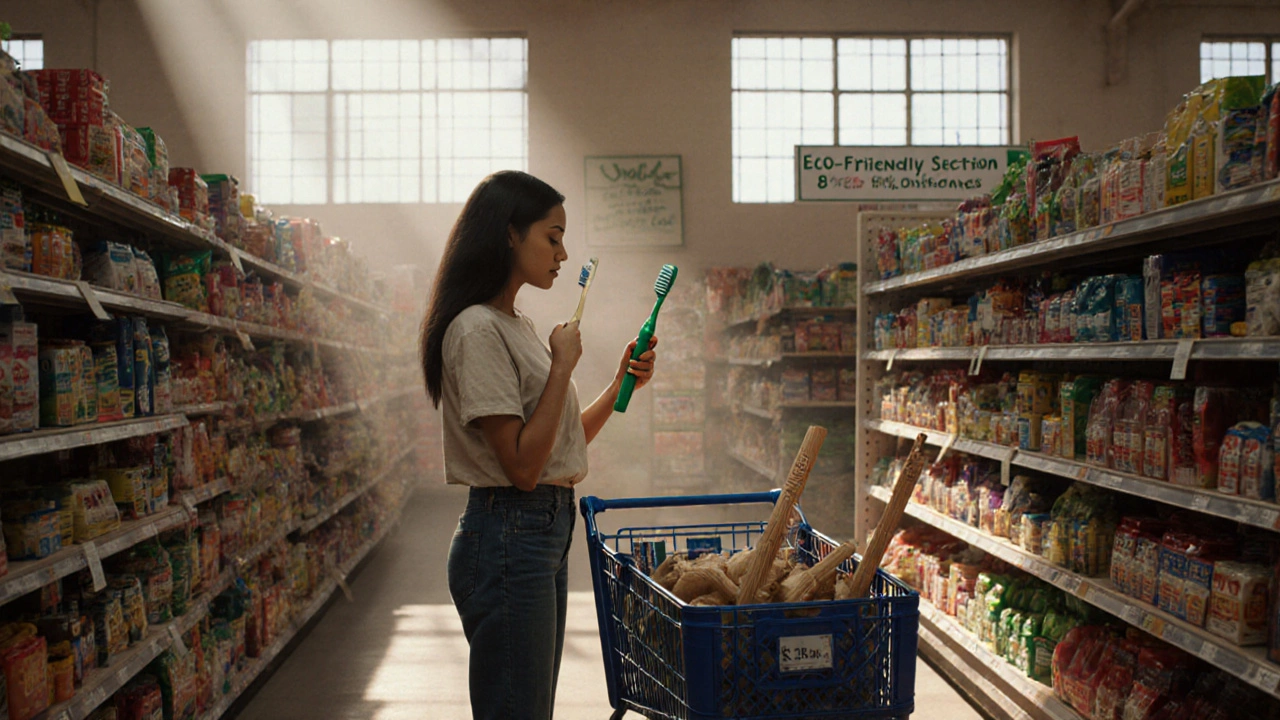
Do People Really Buy Eco-Friendly Products? The Truth Behind the Green Shopping Trend
Many say they want to buy eco-friendly products, but do they actually do it? This article explores the real buying habits behind green consumerism, price barriers, greenwashing, and who’s truly making the switch in 2025.
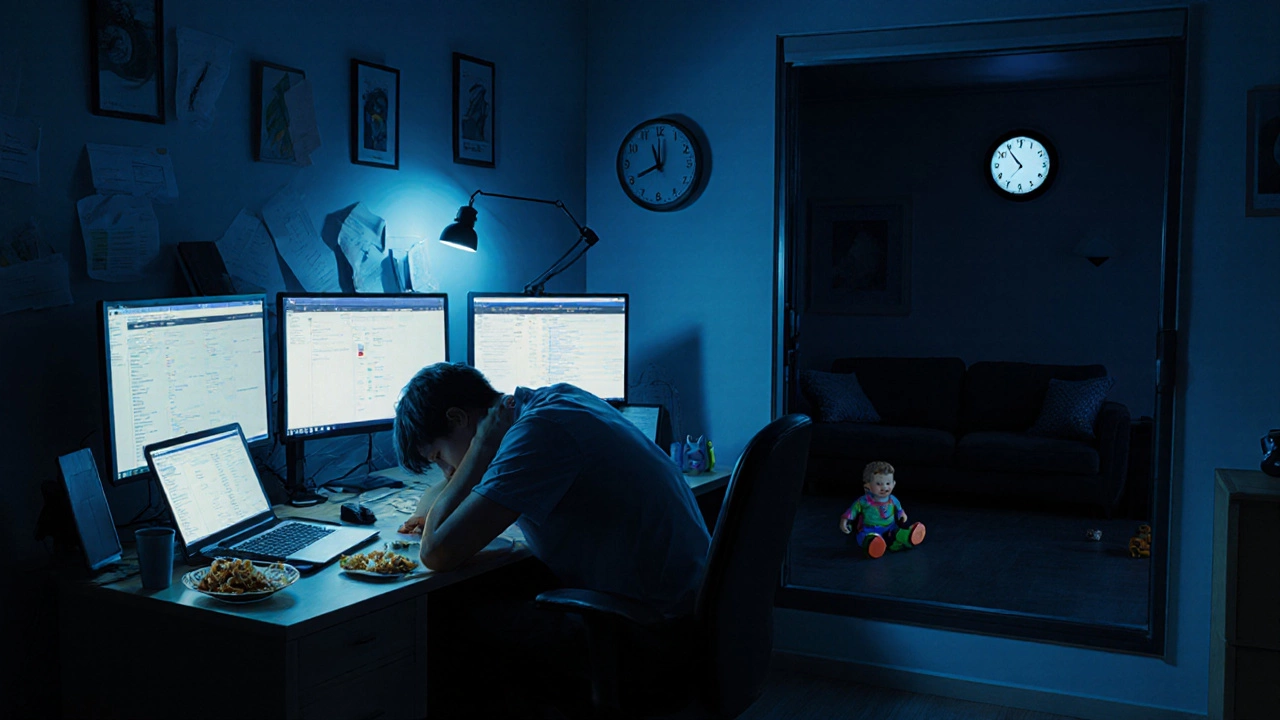
How Many People Struggle with Work-Life Balance in 2025?
Over half of workers today struggle with work-life balance due to blurred boundaries, remote work pressures, and burnout. Learn who's most affected and how to reclaim your time without quitting your job.
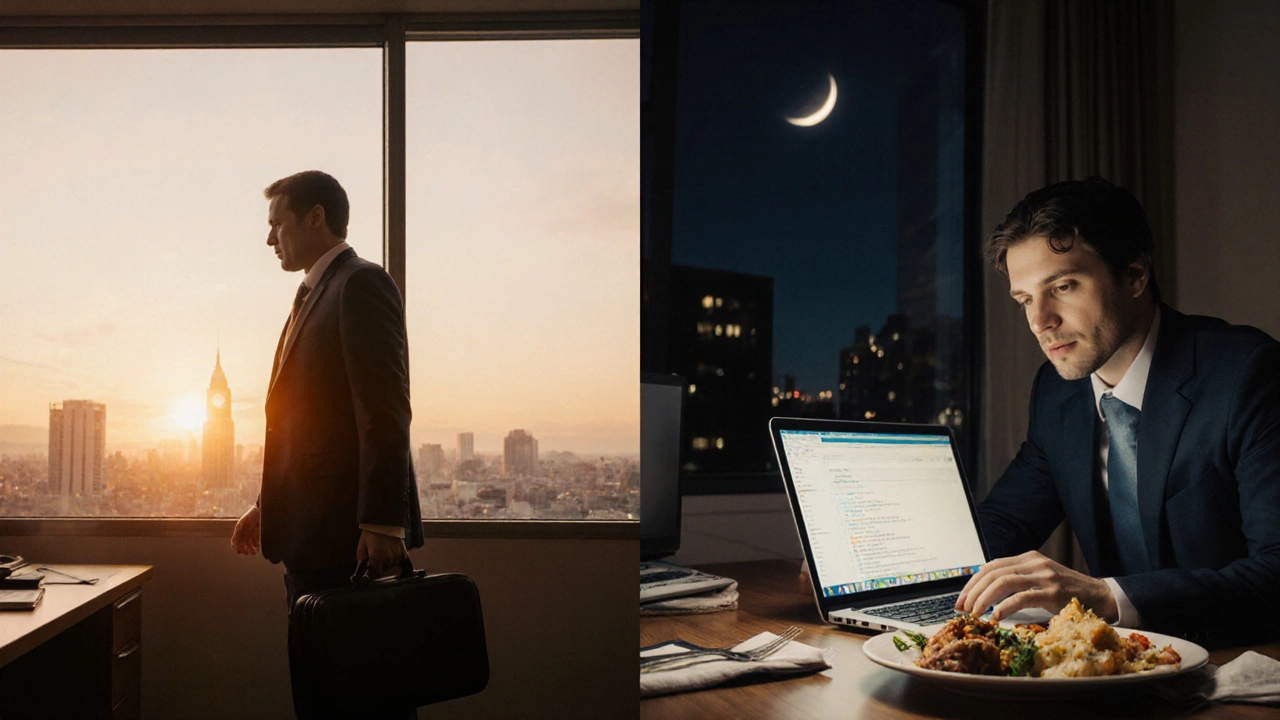
What Are the Three Types of Work-Life Balance and Which One Fits You?
There are three real types of work-life balance-boundary-based, integration-based, and energy-based. Only one lasts long-term. Learn which one fits your life and how to stop burning out.