
Weekly Meal Planning Savings Calculator
Your Current Habits
Potential Weekly Savings
It is Friday evening. You are exhausted from work, your kids are hungry, and the fridge looks like a science experiment gone wrong. Do you order takeout again? It feels easier, but it costs more and leaves you feeling sluggish. What if you could skip the stress and have dinner ready without spending hours in the kitchen?
Meal planning is not about becoming a robot who eats chicken and broccoli every day. It is about taking control of your week so you can eat well, spend less, and actually enjoy your time at home. I have spent years testing different methods, from rigid spreadsheets to flexible lists, and I have found that simplicity wins every time.
1. Start with Your Schedule, Not Just Your Cravings
Most people start meal planning by looking at recipes they want to try. This is a mistake. If you plan a slow-cooked stew for a night when you have a late meeting or soccer practice, you will end up ordering pizza anyway. The first step in effective meal planning is looking at your calendar.
Look at your week ahead. Which nights are busy? Which days do you have free time to cook? Mark these clearly. On busy nights, schedule simple meals like sheet-pan dinners, stir-fries, or leftovers. On lighter days, you can tackle something more involved, like making soup or baking bread.
This approach prevents the "I don't have time" panic. It aligns your food choices with your actual energy levels. When life gets chaotic, your meal plan becomes a safety net, not another chore.
2. Embrace the Power of Leftovers and Batch Cooking
Cooking once and eating twice is the secret weapon of smart planners. It sounds boring, but it saves massive amounts of time. The key is to cook large portions of versatile ingredients rather than just doubling a specific recipe.
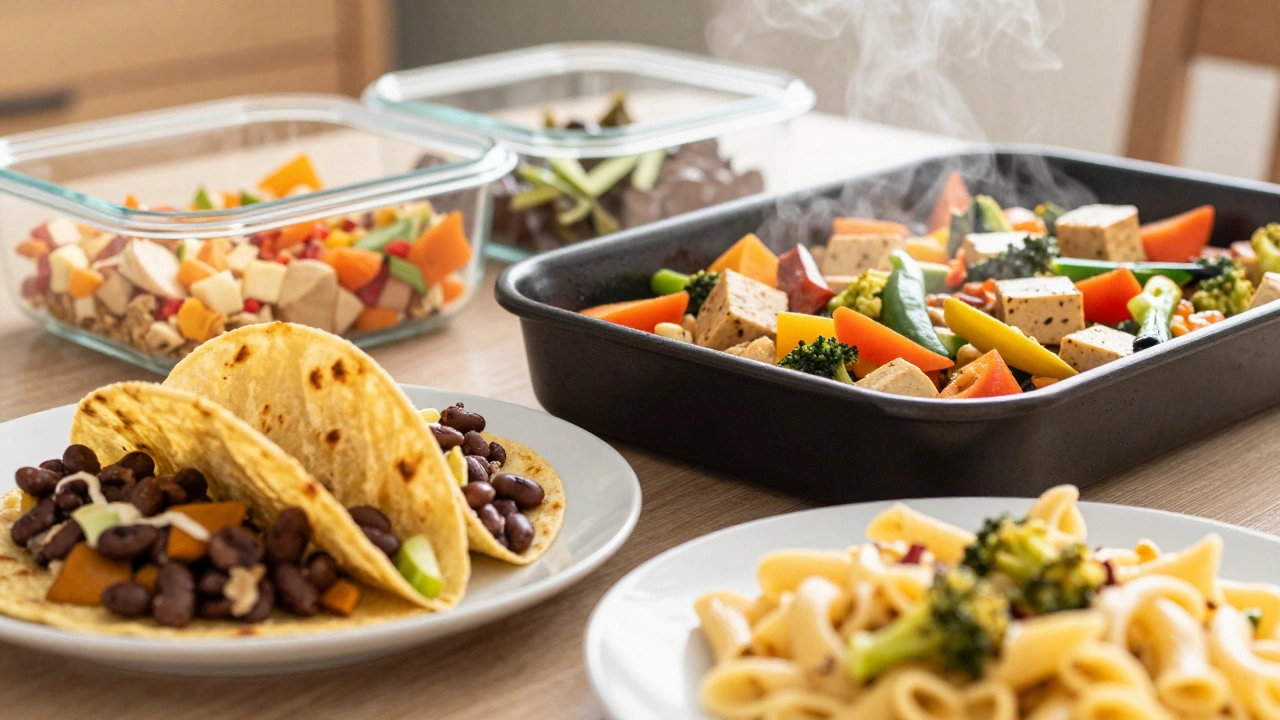
For example, roast a whole tray of vegetables-carrots, bell peppers, onions-and grill some chicken thighs or tofu. These components can become a stir-fry one night, a salad the next, and a wrap for lunch on day three. By cooking base ingredients in bulk, you avoid the monotony of eating the exact same dish while still having fresh options.
Think of your freezer as a pantry extension. If you make extra sauce, rice, or cooked grains, freeze them in portion-sized containers. This way, you always have a head start on dinner, even on the busiest days.
3. Shop Smart: Create a List and Stick to It
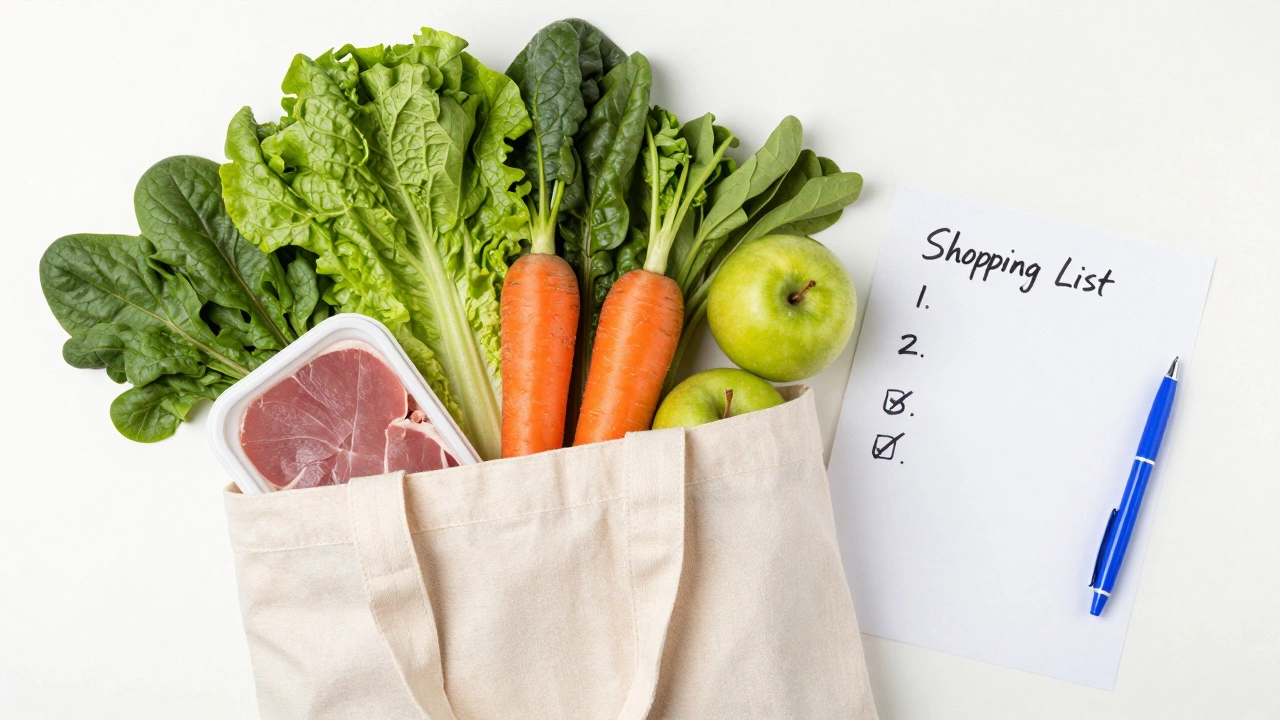
Going to the supermarket without a list is like going to a casino with no budget. You will likely leave with more money spent and fewer useful items. A detailed shopping list is crucial for reducing impulse buys and saving money.
Before you go shopping, check your pantry and fridge. What do you already have? What needs to be used up soon? Add these items to your list first. Then, add the ingredients needed for your planned meals. This ensures you buy only what you need.
Stick to the perimeter of the store. Most fresh produce, dairy, and meats are located there. The aisles in the middle are filled with processed foods that often lead to unhealthy snacking and higher bills. If you need pasta or rice, grab a plain box and move on. Avoid wandering down aisles you didn't plan to visit.
4. Simplify Your Ingredients with Theme Nights
Decision fatigue is real. Choosing what to cook every single night is exhausting. To simplify, assign themes to certain days of the week. This narrows down your options and makes planning faster.
- Taco Tuesday: Use ground beef, beans, or lentos with tacos, bowls, or salads.
- Meatless Monday: Focus on plant-based proteins like chickpeas, tofu, or eggs.
- Sheet Pan Wednesday: Cook everything on one tray for easy cleanup.
- Pasta Thursday: Use up leftover veggies in a quick sauce.
- Leftover Friday: Eat what’s left in the fridge to clear space for the weekend.
Themes provide structure without being restrictive. You can swap out proteins or vegetables based on what is in season or on sale. This flexibility keeps meals interesting while maintaining a consistent routine.
5. Prep Ahead to Reduce Daily Stress
You do not need to spend all day Sunday cooking. Even small prep steps can save significant time during the week. Chop vegetables, wash fruits, and portion out snacks on the weekend. Store them in clear containers so they are visible and accessible.
If you have a slow cooker or Instant Pot, use it. Dump in ingredients before you leave for work, and come home to a ready-made meal. This method requires minimal active cooking time and produces tender, flavorful results.
Prepping also helps reduce food waste. When vegetables are already chopped, you are more likely to use them before they spoil. This saves money and supports sustainability efforts by minimizing trash.
| Strategy | Time Investment | Cost Efficiency | Flexibility |
|---|---|---|---|
| Detailed Recipe Planning | High (1-2 hours/week) | Medium | Low |
| Theme-Based Planning | Medium (30 mins/week) | High | High |
| Batch Cooking & Freezing | High (2-3 hours/week) | Very High | Medium |
| Impulse Buying | Low | Very Low | High |
Common Pitfalls to Avoid
Even with good intentions, meal plans can fail. Here are common mistakes and how to fix them.
Being too rigid: Life happens. If you miss a workout or have a late meeting, adjust your plan. Swap a complex dinner for a simple sandwich. Flexibility prevents burnout.
Ignoring preferences: If your family hates kale, do not force it. Plan meals everyone enjoys. Healthy eating should not feel like punishment. Incorporate new foods gradually alongside familiar favorites.
Underestimating prep time: Be realistic about how much time you can dedicate to cooking. If you only have 20 minutes, choose recipes that fit that window. There are many healthy, quick options available.
Tools to Help You Stay Organized
You do not need expensive apps to meal plan. A simple notebook or whiteboard works perfectly. Write down your meals for the week and keep it visible in the kitchen. This serves as a daily reminder and helps everyone in the household stay on track.
If you prefer digital tools, there are many free apps that allow you to create shopping lists directly from your meal plan. Some even sync with grocery delivery services, saving you additional time. Choose the tool that fits your lifestyle best.
Remember, the goal is progress, not perfection. Start small. Plan just three dinners a week and build from there. Over time, you will develop a rhythm that works for you, leading to better health, savings, and peace of mind.
How long does it take to meal plan for a week?
With practice, meal planning can take as little as 15-30 minutes. Start by reviewing your calendar, then select 5-7 dinners based on theme nights or leftovers. Finally, create a shopping list. The more you do it, the faster you get.
Can I meal plan if I have dietary restrictions?
Absolutely. Meal planning is especially helpful for managing dietary needs. Focus on whole foods that fit your requirements, such as gluten-free grains or vegan proteins. Pre-planning ensures you always have safe, delicious options available.
What is the best way to store leftovers?
Use airtight glass or BPA-free plastic containers. Label them with the date to track freshness. Most cooked meals last 3-4 days in the refrigerator. For longer storage, freeze portions in freezer-safe bags or containers for up to 3 months.
How can I reduce food waste through meal planning?
Plan meals around ingredients you already have, especially those nearing expiration. Use vegetable scraps for homemade broth. Freeze excess herbs in oil or butter. Being mindful of what you buy and using every part of the ingredient significantly cuts waste.
Is meal planning suitable for families with picky eaters?
Yes. Include at least one "safe" food at each meal that everyone likes. Offer new foods alongside familiar ones without pressure. Involving family members in the planning process can also increase their willingness to try new dishes.