DIY Decor Project Planner
Select Your Project
Choose from common repurposing ideas or add your own custom project.
Project Analysis
Select a project above to see estimated time commitment and potential savings compared to buying new.
Walk into a room that feels like it belongs to you. Not the showroom version of your living space, but the real one-the one with character, warmth, and a story. You don’t need a massive budget or a degree in interior design to pull this off. In fact, some of the best creative house decorating ideas come from looking at what you already have in a completely new way.
We often think we need to buy everything new to make a change. That’s not true. Creativity is about perspective. It’s about seeing potential in an old chair, a blank wall, or a cluttered corner. Whether you live in a small apartment in Durban or a spacious house elsewhere, these strategies will help you transform your environment without breaking the bank.
The Power of Repurposing and Upcycling
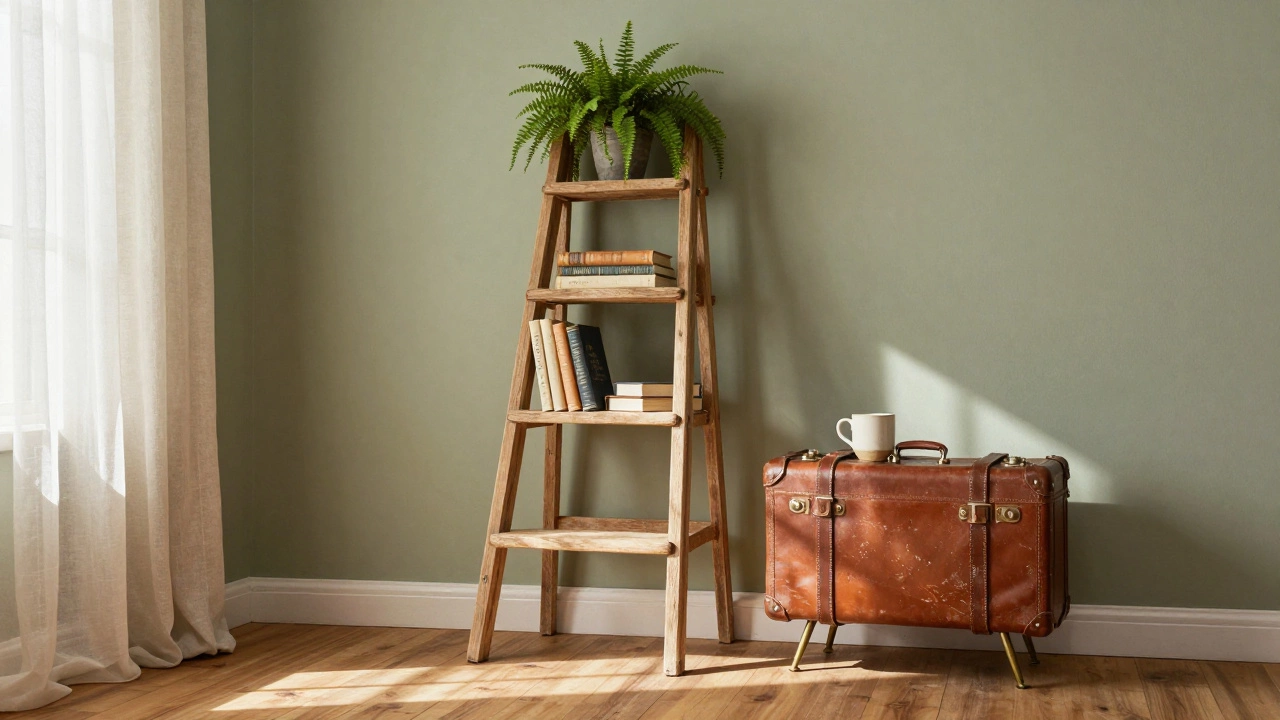
Before you spend money, look around. Do you have items gathering dust? An old ladder can become a stunning bookshelf. A vintage suitcase can serve as a unique side table. This approach isn’t just creative; it’s sustainable. By giving old objects a new life, you reduce waste and create pieces that are truly one-of-a-kind.
| Original Item | Creative New Use | Effort Level |
|---|---|---|
| Wooden Ladder | Leaning bookshelf or plant stand | Low (just clean and position) |
| Old Doors | Headboard for bed or desk backdrop | Medium (painting/distressing) |
| Wine Crates | Modular storage cubes or wall shelves | Medium (sanding/painting) |
| Vintage Trunks | Coffee table or ottoman | Low (add legs if needed) |
Think about the texture and history of these items. A distressed wooden crate adds rustic charm, while a sleek metal pipe can give an industrial edge. The key is to match the repurposed item with the vibe you want in the room. Don’t be afraid to mix materials. Wood paired with metal, or glass with fabric, creates visual interest that flat, store-bought furniture often lacks.
Wall Art Without the Gallery Price Tag
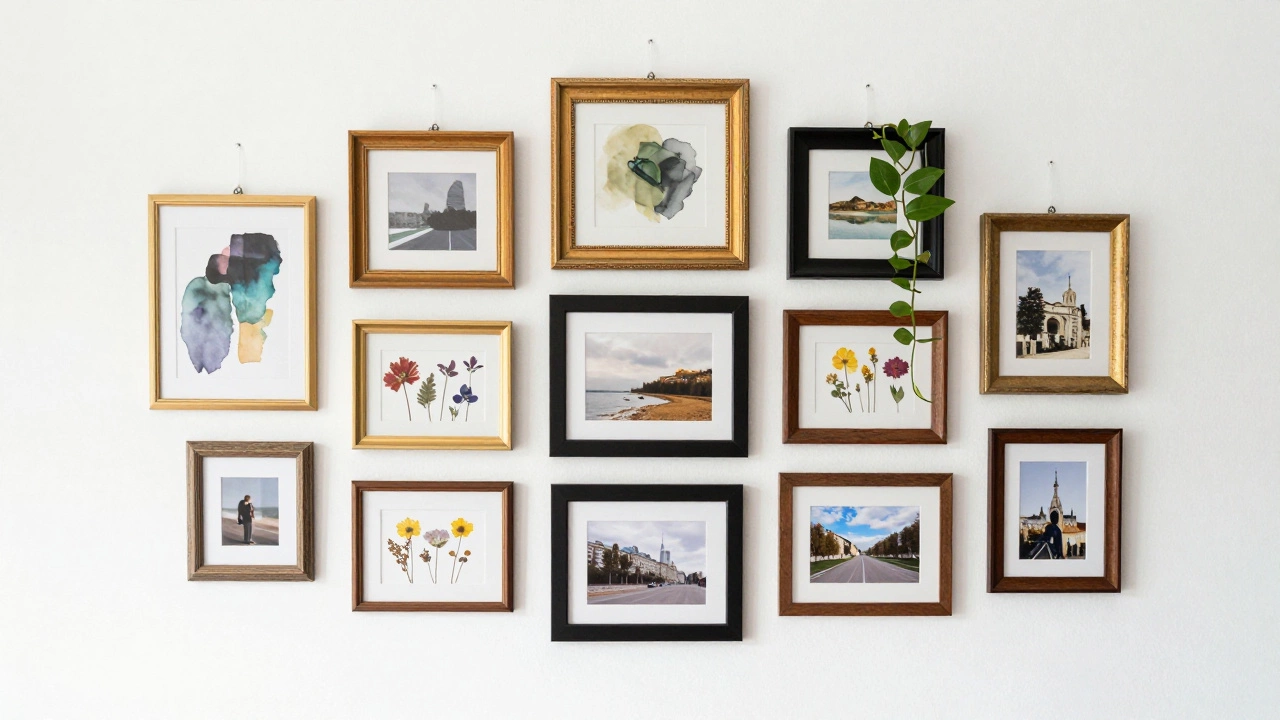
Blank walls can feel cold and unfinished. But buying original art is expensive. So, how do you fill that space creatively? Start with what you love. Photographs, postcards from travels, or even pressed flowers can make beautiful collages.
Create a gallery wall using frames you find at thrift stores. They don’t need to match perfectly-in fact, mismatched frames often look more curated and personal. Arrange them on the floor first to find a layout that balances the eye. Mix vertical and horizontal orientations. Add depth by including small sculptures or hanging plants within the arrangement.
If you’re artistic, try making your own art. Abstract paint splatters, watercolor washes, or even simple line drawings can look sophisticated when framed properly. Large-scale abstract pieces can anchor a room just as well as a traditional landscape painting. Remember, the frame matters. A bold, colorful frame can elevate a simple sketch into a statement piece.
Lighting as a Decorative Element
Lighting does more than illuminate; it sets the mood. Harsh overhead lights can make a cozy room feel sterile. Swap them out for layered lighting. Use floor lamps, table lamps, and string lights to create pools of warm light.
Consider the color temperature of your bulbs. Warm white (2700K-3000K) creates a relaxing atmosphere, perfect for living rooms and bedrooms. Cooler tones are better for task-oriented spaces like kitchens or offices. You can also use smart bulbs to change colors based on your mood or the time of day.
Don’t overlook natural light. Sheer curtains allow sunlight to filter through, softening the space and making it feel larger. If privacy is a concern, pair sheer panels with heavier drapes that you can close at night. Plants placed near windows benefit from the light and add a touch of nature to your decor.
Textiles: Adding Softness and Color
Furniture defines the structure of a room, but textiles bring it to life. Rugs, cushions, throws, and curtains add layers of texture and color. This is the easiest way to refresh a space without moving heavy furniture.
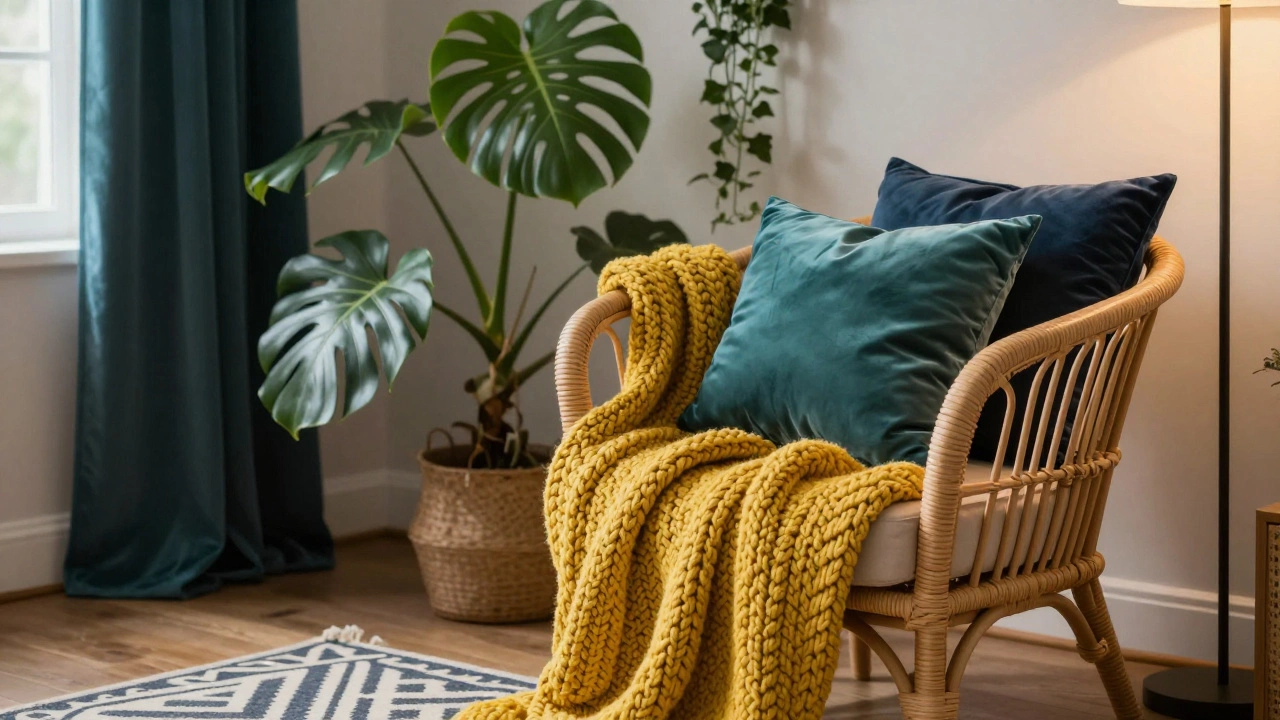
Mix patterns and textures. Pair a smooth silk cushion with a chunky knit throw. Combine a geometric rug with solid-colored upholstery. The contrast keeps the eye engaged. Don’t worry about matching everything perfectly. Eclectic mixes often feel more inviting and lived-in.
In warmer climates like Durban, choose breathable fabrics like linen and cotton. They keep you cool while adding elegance. For cooler months, switch to wool or faux fur throws. Seasonal changes in textiles can make your home feel dynamic and responsive to the outside world.
Nature Indoors: Biophilic Design
Bringing nature inside improves mental well-being and aesthetics. Houseplants are the obvious choice, but they don’t have to be limited to pots on tables. Hang trailing plants from ceiling hooks. Create a vertical garden on a sunny wall. Use moss walls for a striking focal point.
Select plants that suit your light conditions. Low-light areas can handle snake plants or pothos. Bright spots welcome fiddle leaf figs or monstera. Group plants of varying heights together for a lush, jungle-like effect. Odd numbers (three or five) often look more natural than even pairs.
Extend the biophilic theme beyond plants. Use natural materials like wood, stone, bamboo, and rattan in your decor. A rattan chair, a stone vase, or a wooden coffee table connects your indoor space to the outdoors. These materials age beautifully, gaining character over time.
Personal Collections as Decor
Your hobbies and interests should reflect in your home. Are you a vinyl record collector? Display your favorite albums on open shelving. Do you travel? Map pins on a large wall map or display souvenirs from different countries. Cooking enthusiast? Showcase your spice jars or vintage cookbooks.
This approach makes your home uniquely yours. It sparks conversations with guests and reminds you of your passions daily. Avoid clutter by curating your displays. Rotate items seasonally to keep things fresh. If you have too many items, consider creating dedicated display zones rather than spreading them everywhere.
Budget-Friendly Refresh Strategies
You don’t need to overhaul your entire home to see a difference. Small changes can have a big impact. Here are some quick wins:
- Paint an Accent Wall: One bold color can transform a dull room. Choose a hue that complements your existing furniture.
- Update Hardware: Swap out cabinet knobs and drawer pulls. Brass, matte black, or ceramic options can modernize dated kitchen cabinets instantly.
- Rearrange Furniture: Sometimes, simply moving the sofa away from the wall or flipping the dining table orientation opens up space and changes the flow.
- Add Mirrors: Place a large mirror opposite a window to reflect light and make the room feel twice as big.
These tweaks cost little but yield high returns. They require effort rather than expense, which is the essence of creative decorating.
Avoiding Common Pitfalls
Even with the best intentions, mistakes happen. Here’s what to watch out for:
- Overcrowding: Less is often more. Leave empty space to let your decor breathe.
- Igoring Scale: Ensure furniture fits the room size. A huge sectional in a tiny apartment overwhelms the space.
- Trend Chasing: Trends fade. Invest in timeless pieces and use trendy items sparingly (like throw pillows) so you can update them easily later.
- Poor Lighting: Never rely solely on one light source. Layer your lighting for depth and functionality.
Be patient with the process. Decorating is iterative. Live with your choices, see what works, and adjust. Your home should evolve with you.
How do I start decorating my house if I have no idea where to begin?
Start with one room, ideally the one you use most. Clear out clutter first. Then, pick a focal point-a piece of furniture, a view, or a fireplace-and build around it. Choose a color palette of three main colors and stick to it initially. This prevents decision fatigue and ensures cohesion.
Can I decorate creatively on a very tight budget?
Absolutely. Thrift stores, garage sales, and online marketplaces are goldmines for cheap furniture and decor. Focus on DIY projects like painting, reupholstering, or creating wall art. Often, creativity costs less than convenience. Prioritize spending on items you use daily, like mattresses and sofas, and save on decorative accessories.
What are the biggest mistakes people make when decorating?
The most common mistake is buying everything at once before seeing how it looks together. Another is ignoring scale-placing oversized furniture in small rooms. Also, neglecting lighting leads to flat, uninviting spaces. Finally, trying to follow every trend results in a home that feels dated quickly. Stick to timeless basics and add trends cautiously.
How can I make a small apartment feel larger?
Use mirrors strategically to reflect light and space. Choose multi-functional furniture, like a sofa bed or storage ottomans. Keep floors visible by using leggy furniture instead of bulky pieces. Light colors on walls and ceilings expand the visual field. Vertical storage draws the eye up, emphasizing height rather than width.
Is it okay to mix different styles in one room?
Yes, mixing styles can create a rich, layered look. The key is balance. Anchor the room with a dominant style (e.g., mid-century modern) and add accents from other eras (e.g., a vintage rug or industrial lamp). Ensure there’s a unifying element, such as a consistent color scheme or material, to tie the disparate pieces together.