Daily Calorie & Metabolic Impact Estimator
Fat Loss Outlook
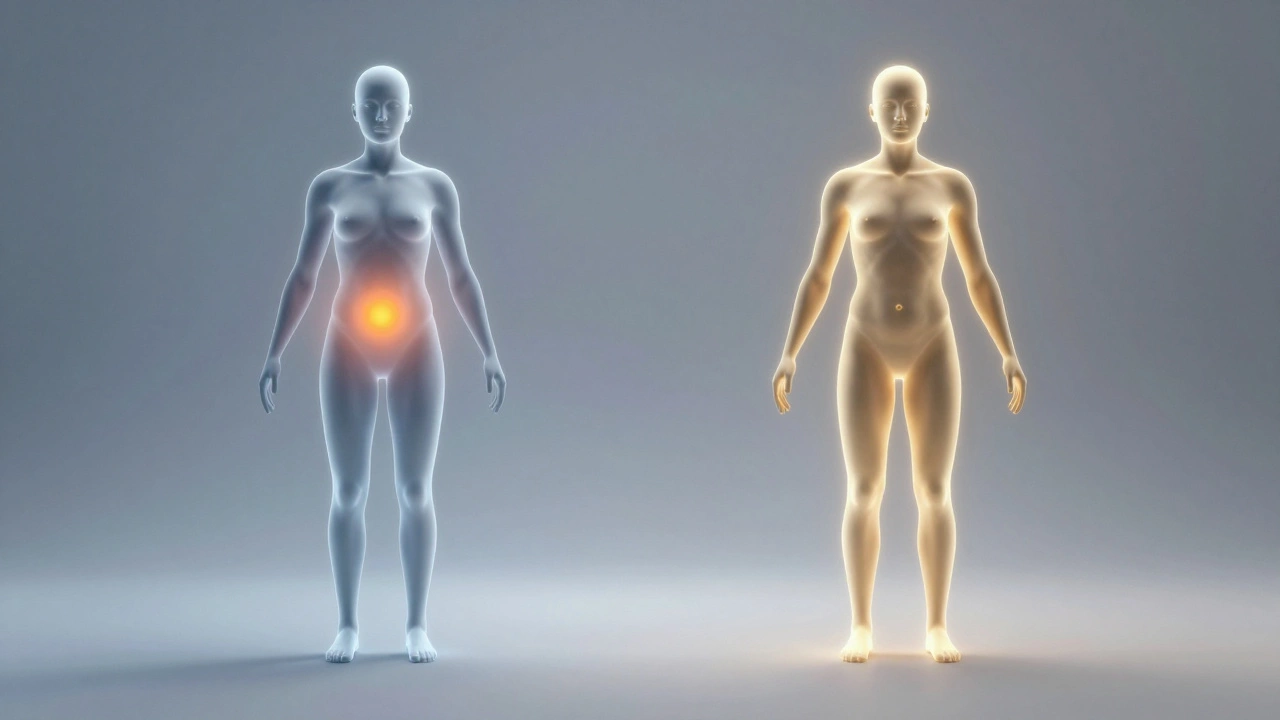
The Big Myth About Spot Reduction
You've probably seen the ads: "Do 50 crunches a day to melt away your stomach!" or "The secret move to blast belly fat!" It sounds great, right? The idea that you can pick a specific part of your body and tell the fat to disappear from just that spot is called spot reduction. Here is the cold, hard truth: spot reduction is a myth. Your body doesn't work like a vacuum cleaner where you can just point it at your midsection and suck up the fat.
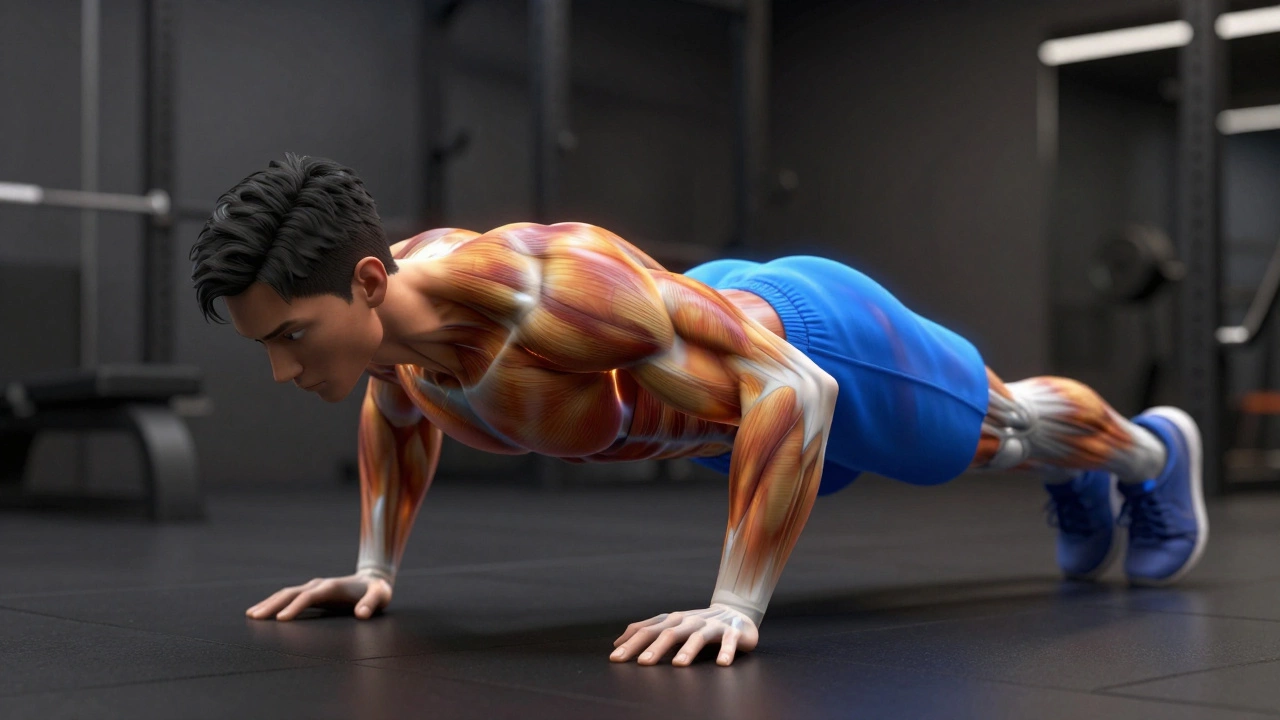
When you do pushups is a compound bodyweight exercise that primarily targets the chest, shoulders, and triceps, you are certainly working your muscles. But doing a thousand pushups won't specifically target the fat stored around your waist. Fat loss happens systemically. When your body needs energy, it pulls fatty acids from all over your system-not just from the area you're exercising. If you have a genetic tendency to store fat in your belly, that might be the last place it leaves, regardless of how many pushups you do.
So, does this mean pushups are useless for losing weight? Not at all. While they won't "melt" belly fat specifically, they play a huge role in a strategy that actually works. To lose fat anywhere, you need a Caloric Deficit, which means you're burning more energy than you're consuming. Pushups help you reach that goal by increasing your energy expenditure and building muscle.
How Pushups Actually Influence Your Body
Pushups are a powerhouse move because they are a compound exercise. Unlike a bicep curl that only moves one joint, a pushup engages multiple joints and muscle groups at once. You're using your pectorals, anterior deltoids, and triceps to push your weight up. But if you look closer, your entire core-your abs, obliques, and lower back-has to fire up to keep your body in a straight line. This is essentially a moving plank.
Building muscle is the secret weapon for long-term fat loss. Muscle tissue is metabolically more active than fat. This means that the more lean muscle mass you have, the higher your Basal Metabolic Rate (BMR) becomes. If you spend your time building a strong chest and core through pushups, your body will burn more calories even when you're just sitting on the couch watching TV. It's not a magic bullet, but it shifts the scales in your favor.
Think of it like upgrading the engine in your car. A bigger engine burns more fuel even at idle. By adding muscle, you're essentially upgrading your body's engine to burn more energy 24/7. If you combine this with a healthy diet, those belly fats will eventually be used as fuel, even if you aren't doing a single sit-up.
| Feature | Pushups (Compound) | Crunches (Isolated) |
|---|---|---|
| Calorie Burn per Rep | Higher (Multiple muscles) | Lower (Single muscle group) |
| Metabolic Impact | Increases BMR via muscle growth | Minimal impact on BMR |
| Core Engagement | High (Stability/Isometric) | High (Dynamic contraction) |
| Belly Fat Targeting | Systemic loss (Global) | Systemic loss (Global) |
Creating the Perfect Fat-Loss Environment
If your goal is to see your abs, you have to stop thinking about the exercise and start thinking about the environment. You can't out-train a bad diet. If you're eating 3,000 calories but only burning 2,000, it doesn't matter if you do 500 pushups a day; you'll still be in a surplus, and your body will keep holding onto that fat.
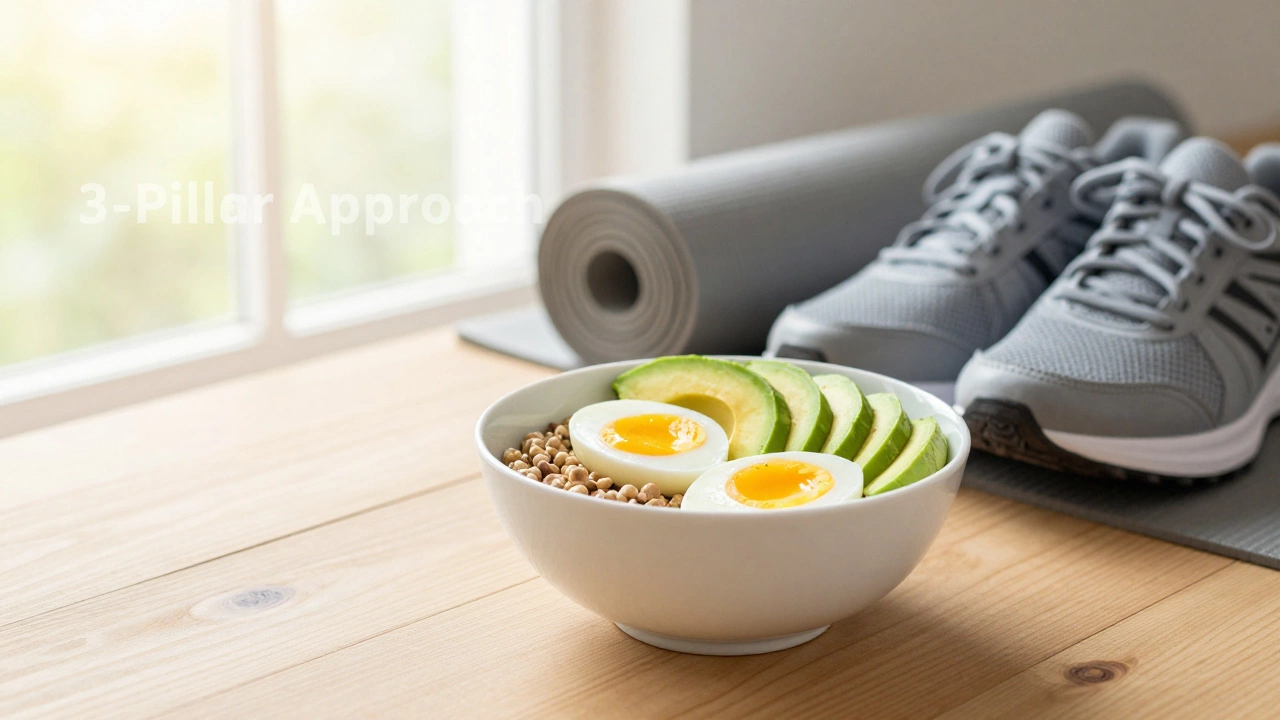
To actually see results, try the "3-Pillar Approach":
- Nutrition: Focus on high protein (to preserve muscle) and whole foods. Protein has a high thermic effect, meaning your body burns more calories just digesting it compared to fats or carbs.
- Resistance Training: Use pushups, squats, and lunges. These build the muscle mass that drives your metabolism.
- Neat Activity: Non-Exercise Activity Thermogenesis (NEAT) is the energy you spend doing everything that isn't sleeping or formal exercise. Walking the dog, taking the stairs, or cleaning the house often burns more total calories over a week than a few gym sessions.
A great rule of thumb is to aim for a modest deficit of 300-500 calories below your maintenance level. This allows you to lose fat without feeling exhausted or losing the muscle you're working so hard to build with those pushups. If you crash-diet, your body might actually break down muscle for energy, which slows your metabolism further-the opposite of what we want.
Common Pushup Mistakes That Kill Your Progress
Since pushups act as a core stabilizer, doing them with bad form doesn't just risk injury-it makes them less effective for your midsection. Many people let their hips sag or stick their butt too high in the air. When your hips sag, you're no longer challenging your core; you're just putting pressure on your lower back.
To get the most out of the movement, imagine there is a straight rod from your head to your heels. Squeeze your glutes and brace your abs as if someone is about to punch you in the stomach. This creates the tension needed to turn a chest exercise into a full-body stability move. If you find a full pushup too difficult to maintain this form, don't just struggle through it. Drop your knees to the floor or use an incline (like a couch or a sturdy table). An incline pushup allows you to maintain a perfect plank while you build the strength to go lower.
Another common mistake is "flaring" the elbows. Instead of pushing your arms out like a 'T', try to keep them at a 45-degree angle from your body. This protects your shoulder joints and allows you to push more weight, which means more muscle growth and more calories burned.
The Role of Hormones and Stress in Belly Fat
We can't talk about belly fat without talking about Cortisol. This is your body's primary stress hormone. When you're chronically stressed or severely underslept, cortisol levels spike. High cortisol is closely linked to the accumulation of visceral fat-the dangerous fat stored deep in the abdomen around your organs.
This is where a paradox happens. If you are so stressed that you're barely sleeping and then you force yourself to do an extreme, grueling workout you hate, you might actually be spiking your cortisol further. Exercise should be a stress-reliever, not another stressor. This is why consistent, moderate activity-like a daily set of pushups and a long walk-is often more effective for belly fat loss than a sporadic, high-intensity boot camp that leaves you shattered.
Prioritizing 7-9 hours of sleep is just as important as your workout routine. Sleep is when your body regulates hunger hormones like ghrelin and leptin. When you're sleep-deprived, your brain screams for quick energy (sugar and carbs), making it nearly impossible to stick to the caloric deficit required to lose that belly fat.
Expanding Your Home Workout Routine
Pushups are fantastic, but your body adapts. If you do the same 20 pushups every day, your muscles will eventually stop growing because they've become efficient at that specific task. This is called the plateau. To keep burning fat and building muscle, you need Progressive Overload.
You can achieve this by changing the variables:
- Increase Reps: If 10 is easy, go for 12, then 15.
- Change the Angle: Move from incline pushups to flat, then to decline pushups (feet on a chair). Decline pushups shift more weight to your upper chest and shoulders.
- Slow Down the Tempo: Try taking 3 seconds to go down and 1 second to explode up. This increases "time under tension," which triggers more muscle growth.
- Add Variations: Try diamond pushups (hands close together) to target the triceps more, or wide-grip pushups for the chest.
To get a balanced physique and maximum calorie burn, pair pushups with pulling movements and leg exercises. Since you're working out at home, try adding air squats, lunges, and if you have a sturdy table, some inverted rows. Combining these movements creates a full-body metabolic demand that forces your body to use stored fat for energy far more effectively than any single exercise ever could.
Can I lose belly fat by only doing pushups?
No. Pushups build muscle and burn calories, but they cannot specifically target fat loss in the stomach area. To lose belly fat, you need a caloric deficit through a combination of diet and exercise. Pushups help by increasing your metabolic rate, but they aren't a magic solution for spot reduction.
How many pushups a day should I do to see results?
There is no single magic number, as it depends on your current fitness level. Focus on quality over quantity. Aim for 3 sets of as many as you can do with perfect form. As you get stronger, increase the number of reps or try a harder variation to keep challenging your muscles.
Do pushups help with core strength and abs?
Yes! Pushups are essentially a moving plank. If you keep your core tight and your back flat, you are training your abdominal muscles to stabilize your spine. This builds a strong foundation of muscle, though those muscles will only be visible once you reduce your overall body fat percentage.
Which is better for belly fat: pushups or crunches?
Pushups are generally better for overall fat loss because they are a compound movement that recruits more muscle groups and burns more calories per repetition. Crunches specifically target the abdominal muscles, but they burn very few calories and do not contribute as much to an overall increase in metabolism.
Will pushups make me bulky?
Unlikely. For most people, bodyweight pushups create a lean, toned look. To get "bulky," you would need to lift very heavy weights and eat a significant surplus of calories. Pushups will primarily help you look firmer and feel stronger.