Soil Wait Time Calculator
Soil Preparation Calculator
Select your soil type, amendments, and conditions to determine the optimal waiting time before planting.
Most gardeners know tilling turns hard, compacted soil into something soft and workable. But if you rush to plant right after you’ve turned the dirt, your plants might struggle-or die. The real question isn’t just tilling-it’s when to plant after tilling. And the answer isn’t one-size-fits-all.
Why You Can’t Plant Right After Tilling
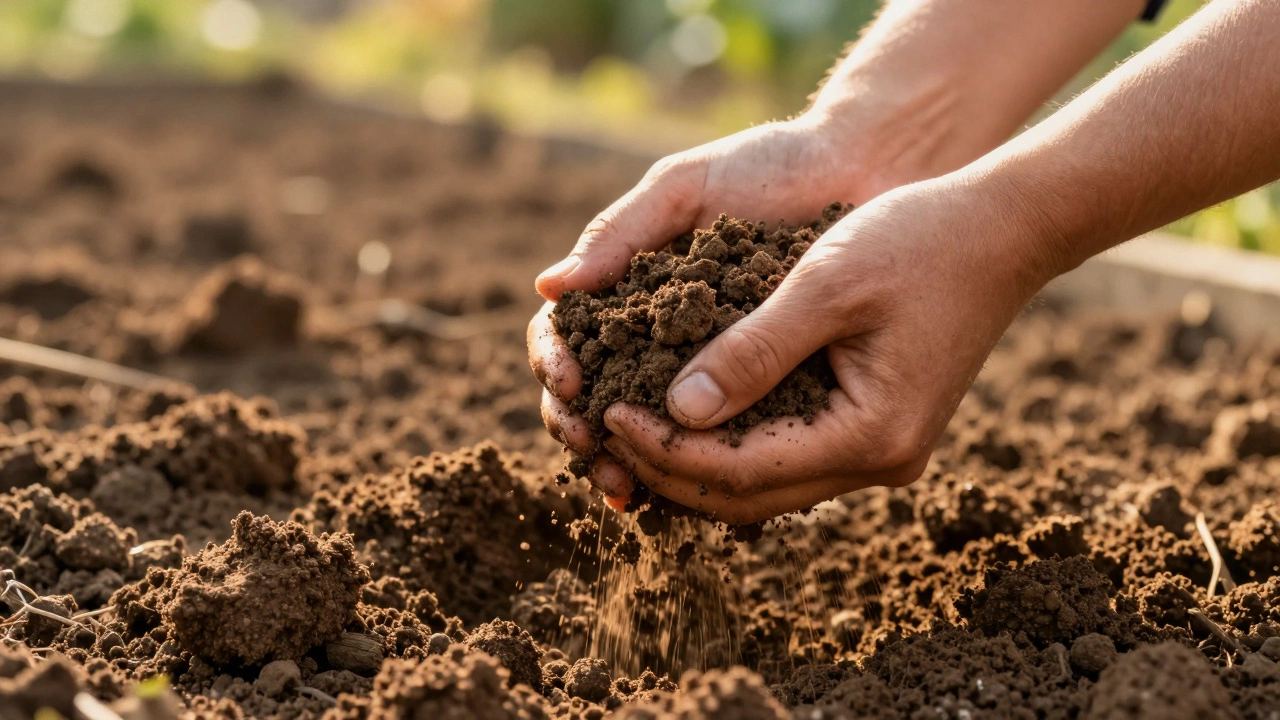
Tilling breaks up soil, yes. But it also wakes up a whole hidden world. Weeds, fungi, and dormant seeds that were buried get thrown to the surface. Freshly tilled soil is also unstable. It’s full of air pockets, uneven clumps, and uneven moisture. Plants need consistent ground to root into-not a shifting, chaotic mess.
Think of it like building a house. You wouldn’t lay a foundation on freshly dug, loose dirt. You’d wait for the ground to settle. Soil is the same. It needs time to stabilize.
The General Rule: Wait 2 to 3 Days
For most home gardens, waiting 2 to 3 days after tilling is the sweet spot. This gives the soil time to settle. Moisture redistributes. Air pockets collapse. And most importantly, it lets you see what’s really in there.
After tilling, walk through your bed. Look for clumps. If you see big dirt balls, break them up with a rake. If the soil looks dusty or dry, give it a light watering. Then wait. Don’t rush. By day three, the soil should feel crumbly-not muddy, not powdery. That’s when it’s ready for seeds or transplants.
When You Need to Wait Longer
Not all tilling is the same. If you’re working with clay-heavy soil, you might need to wait 5 to 7 days. Clay holds water and takes longer to dry out and break apart. Planting too soon in wet clay means you’ll compact it again with your footsteps-or worse, your plants’ roots won’t breathe.
If you tilled in compost, manure, or other organic matter, wait at least 7 to 10 days. Fresh manure, especially from chickens or cows, can burn roots. It also releases ammonia as it breaks down. That’s toxic to young plants. Letting it sit for a week lets microbes do their job and turns it into safe, slow-release food.
Same goes for cover crops you tilled under. If you turned over rye or clover, give it time to decompose. Otherwise, the decaying plant material will compete with your vegetables for nitrogen. You’ll end up with yellowing leaves and stunted growth.
What About No-Till Gardening?
Some gardeners skip tilling entirely. They layer compost on top, plant through mulch, and let worms do the digging. That’s fine. But if you’ve been tilling for years and want to switch, don’t stop cold. Ease into it. Skip tilling for one season, and just top-dress with compost. Your soil will thank you.
But if you’re just starting out and your soil is hard as concrete, tilling is still the fastest way to fix it. Just don’t plant too soon.
How to Tell If Your Soil Is Ready
You don’t need a soil meter. You just need your hands.
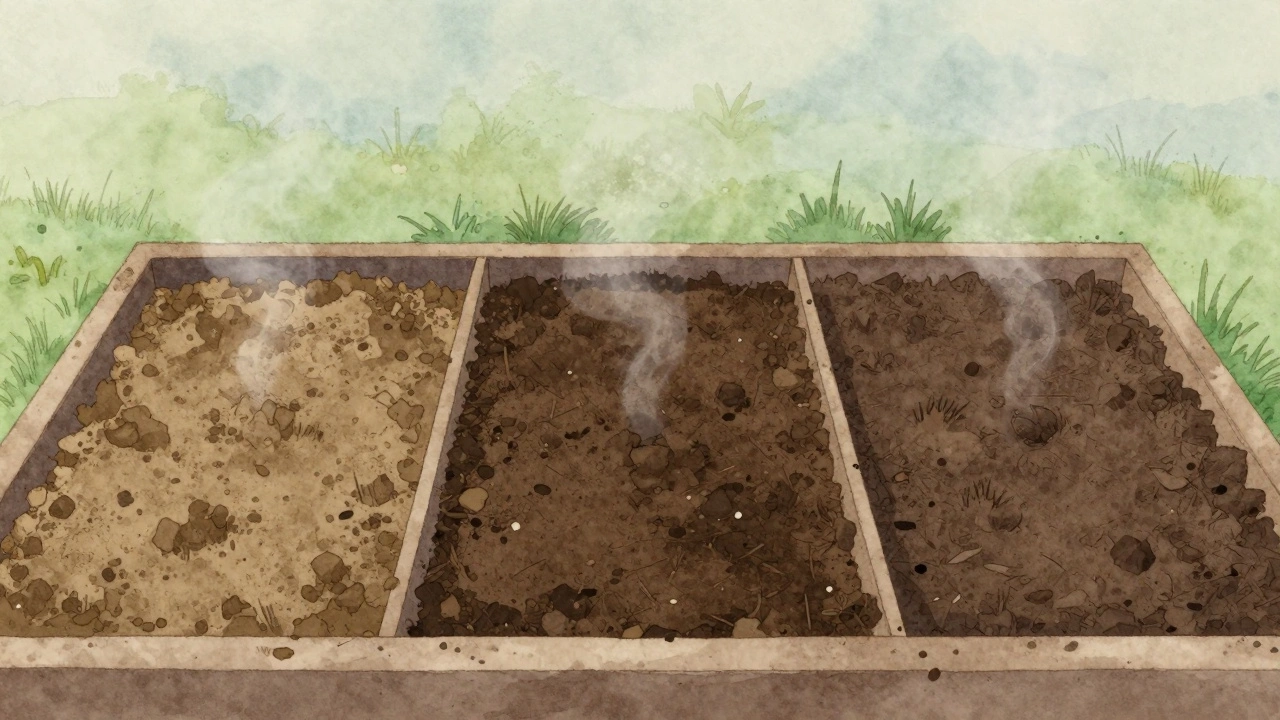
- Grab a handful of soil. Squeeze it gently.
- If it forms a tight ball that doesn’t crumble when you poke it? Too wet. Wait.
- If it crumbles easily into loose chunks? Perfect.
- If it’s dusty and won’t hold shape at all? Too dry. Water lightly and wait a day.
This simple test works for almost every type of soil-sand, loam, clay. It’s the real indicator, not a calendar.
What Happens If You Plant Too Soon?
Planting too early after tilling doesn’t always kill your plants. But it makes them weak from the start.
- Seeds may rot in soggy soil before they sprout.
- Transplants like tomatoes or peppers may wilt because their roots can’t grip the shifting soil.
- Weeds will explode. Tilling brings up hundreds of weed seeds. If you plant right away, your crops grow alongside a jungle of unwanted plants.
- Roots get tangled in un-decomposed organic matter and starve for nitrogen.
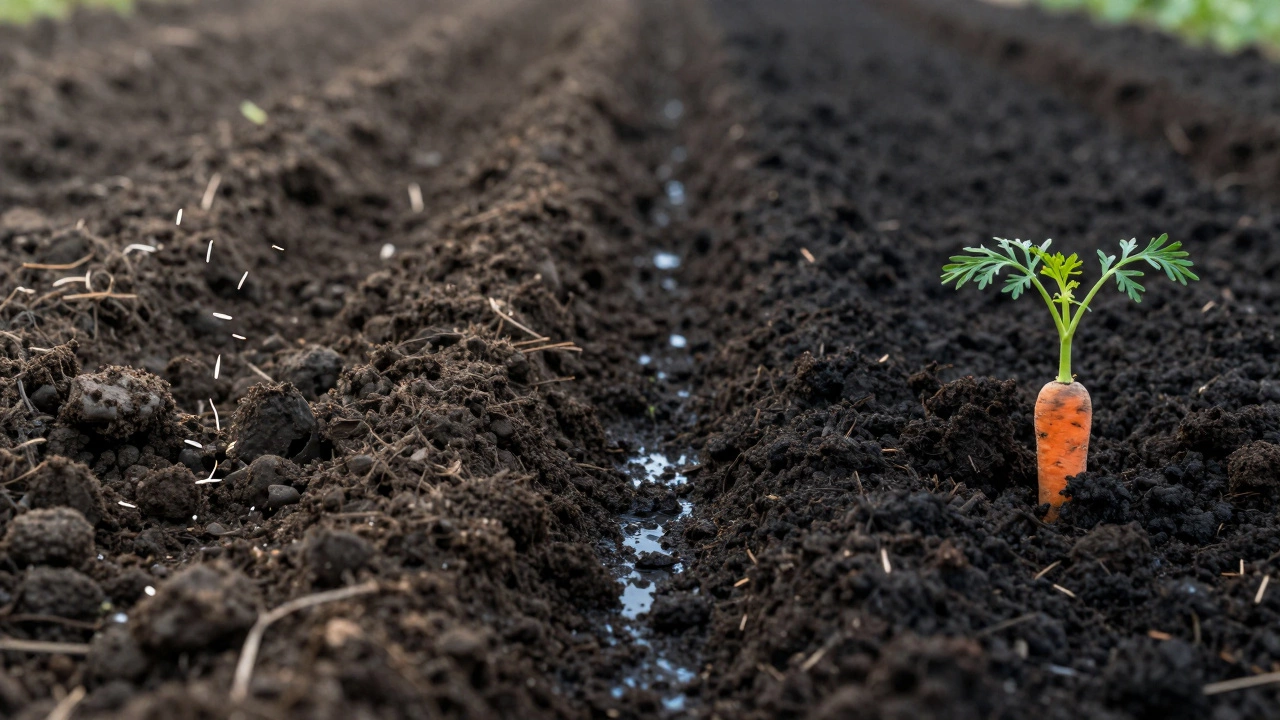
One gardener in Ohio planted carrots two days after tilling. They came up patchy, spindly, and twisted. She waited a week the next season. Same soil. Same seeds. Her carrots were fat, straight, and sweet. The only difference? Time.
Pro Tip: Use the Wait Time to Prep
Don’t just sit around waiting. Use those extra days wisely.
- Rake the bed smooth. Remove big clumps.
- Apply lime or sulfur if your soil pH needs adjusting. Let it mix in.
- Lightly water to encourage weed seeds to sprout. Then hoe them out before planting.
- Mark your rows with string or sticks. It’s easier to plant straight when the soil is settled.
This is the secret most beginners miss: the real work isn’t tilling. It’s what you do after tilling.
Seasonal Timing Matters Too
Spring tilling? Wait 3 days. The soil is usually damp and slow to dry.
Fall tilling? You can wait longer-up to 2 weeks. There’s no rush. You’re prepping for next year. Let the organic matter break down over winter. Snow and frost will help naturally aerate the soil.
Summer tilling? Rare, but sometimes needed for a second crop. If you’re tilling in July, wait at least 5 days. Heat speeds up decomposition, but it also dries soil fast. Water deeply before planting.
Quick Reference: When to Plant After Tilling
| Condition | Recommended Wait Time | Why |
|---|---|---|
| Normal loam soil, no amendments | 2-3 days | Soil settles, moisture balances |
| Clay soil | 5-7 days | Slower drying, risk of compaction |
| Added fresh manure | 7-10 days | Ammonia burns roots; needs decomposition |
| Added compost or cover crop residue | 7-10 days | Microbes need time to break down material |
| Soil with visible weed seeds | 5 days (then hoe weeds) | Let weeds sprout, then remove before planting |
| Fall tilling for next season | 2 weeks or more | Winter weather helps break down soil |
Common Mistakes to Avoid
- Thinking tilling = done. It’s just the first step.
- Planting in wet soil because you’re eager. Wet soil = compacted soil.
- Ignoring weeds that pop up after tilling. They’ll outgrow your seedlings.
- Using fresh manure without aging it. It’s not fertilizer-it’s a hazard.
- Believing more tilling is better. Over-tilling kills soil life and destroys structure.
Soil is alive. It’s not a machine you turn on and off. Treat it like a living thing-and it’ll reward you.
Final Thought: Patience Pays Off
There’s no magic number. But there’s a pattern: wait, watch, test. The best gardeners aren’t the ones who work the hardest. They’re the ones who know when to stop and let the soil do its work.
Two days after tilling? Wait. Three days? Still wait. Five? Maybe. Ten? If you added compost, yes. Let your soil tell you when it’s ready. Your plants will grow stronger, healthier, and more productive because you didn’t rush.
Can I plant seeds the same day I till?
No. Planting seeds the same day you till usually leads to poor germination. Tilled soil is too loose and uneven. Seeds need firm contact with soil to absorb moisture and sprout. Wait at least 2-3 days for the soil to settle.
What if I tilled in weeds? Do I need to wait longer?
Yes. Tilling brings weed seeds to the surface. Wait 5 days, then lightly hoe or rake the top layer to kill the sprouted weeds. Then plant. Skipping this step means your garden will be overrun by weeds before your vegetables even get started.
Does rain change how long I should wait?
Absolutely. Rain after tilling can turn soil into mud. If it rains heavily, wait until the soil dries enough to crumble in your hand. Don’t walk on it or plant while it’s soggy-you’ll compact it again. A day or two of drying after rain is usually enough.
Can I use a tiller and plant in the same week?
Yes, but not on day one. If you till on Monday, wait until Thursday or Friday to plant. That gives you 3-4 days for the soil to settle, any weeds to sprout, and moisture to even out. Just don’t wait more than 10 days unless you’re adding compost or manure.
Is tilling even necessary for a vegetable garden?
Not always. If your soil is loose and rich, you can skip tilling and just add compost on top. But if your soil is hard, rocky, or full of grass roots, tilling is the fastest way to fix it. Once your soil is healthy, you can reduce or stop tilling entirely. Many experienced gardeners switch to no-till after the first year.