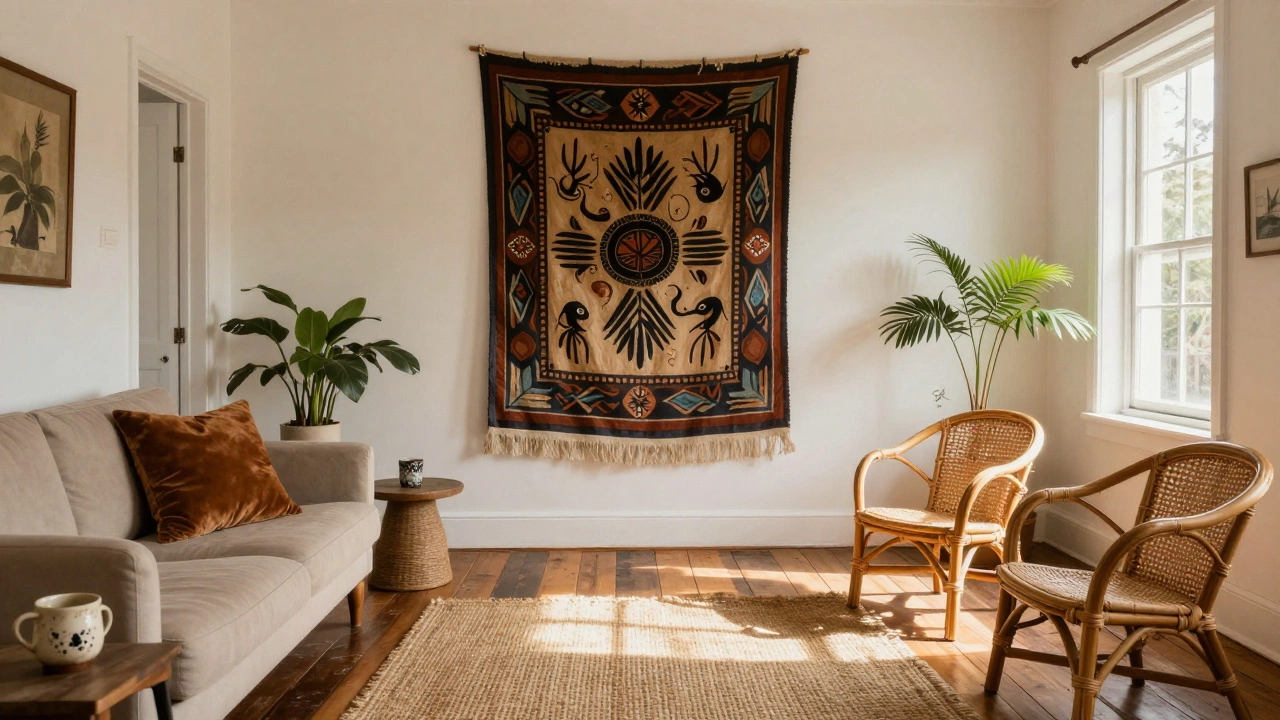
Choosing a style for your home isn’t about copying Pinterest boards or following the latest trend. It’s about creating a space that feels like you - not someone else’s idea of perfect. Too many people get stuck staring at mood boards, overwhelmed by terms like "Scandinavian," "Japandi," or "Boho-Chic." But here’s the truth: no one wakes up and says, "I want my living room to look like a magazine spread." They want comfort. They want calm. They want a place that works for their life.
Start with how you actually live
Before you pick a color palette or buy a sofa, ask yourself: What happens in this space every day? Do you collapse on the couch after work with a glass of wine? Do kids track in sand from the beach? Do you host weekend brunches with loud friends? Your style should support your habits, not fight them.In Durban, where the sun hits hard and humidity lingers, heavy velvet drapes or delicate white linen might not last a season. A home that works here needs to handle salt air, sudden rain, and sticky afternoons. That doesn’t mean you can’t have style - it means you need to choose materials that breathe, clean easily, and hold up.
Think about your daily routines. If you’re always tripping over shoes, maybe a bench with hidden storage by the door makes more sense than a decorative console table. If you cook often, a kitchen with durable countertops and easy-to-wipe surfaces beats one with marble that stains from lemon juice. Style isn’t just what you see - it’s what you do.
Look around you - not online
Instead of scrolling through Instagram for inspiration, walk through your neighborhood. Notice what works in homes that have lived in them for years. What colors are on the walls? What kind of lighting do they use? Are the floors wood, tile, or concrete? You’ll find that the most beautiful homes aren’t the ones with the most expensive furniture - they’re the ones where everything feels right.Here in Durban, you’ll see homes with open windows, outdoor showers, and low-slung seating under shaded verandas. That’s not "trendy." It’s climate-responsive. That’s a style born from place. You don’t need to copy it exactly - but you can borrow the thinking behind it.
Take a notebook. Write down: What makes you feel calm? What makes you feel energized? What colors do you keep coming back to when you shop for clothes or paint swatches? Those clues are more valuable than any viral post.
Forget the "-core" labels
You don’t need to pick one style and stick to it. The idea that your home must be "mid-century modern" or "farmhouse chic" is a marketing trap. Real homes evolve. They mix.Maybe you love the clean lines of Scandinavian design but also collect handmade ceramics from local artisans. That’s not a conflict - it’s character. You can have a white-walled living room with a dark wooden coffee table, a wool rug from the Eastern Cape, and a vintage lamp you found at a flea market. That’s not "eclectic" - it’s just your life.
Instead of forcing a label, think in layers:
- Structure: What’s the shape of the space? High ceilings? Small rooms? Large windows?
- Texture: What materials feel good to touch? Wood, linen, rattan, clay?
- Color: What tones make you breathe easier? Earthy greens? Warm whites? Deep blues?
- Personal objects: What do you own that has meaning? A quilt from your grandma? A surfboard from your first trip to Umhlanga?
These layers build a home that feels lived-in, not staged.
Test before you buy
Don’t buy a rug or a couch just because it looks good in a photo. Bring samples home.Place a fabric swatch on your sofa for a few days. See how it looks in morning light, afternoon sun, and evening lamplight. Put a paint sample on three different walls. Live with it for a week. Notice how it changes when the rain clouds roll in - because here, the light shifts fast.
Try borrowing pieces from friends. Swap a lamp, a chair, a shelf. See how it feels in your space. You’ll learn more in a week of borrowing than in a month of online research.
Let your space grow with you
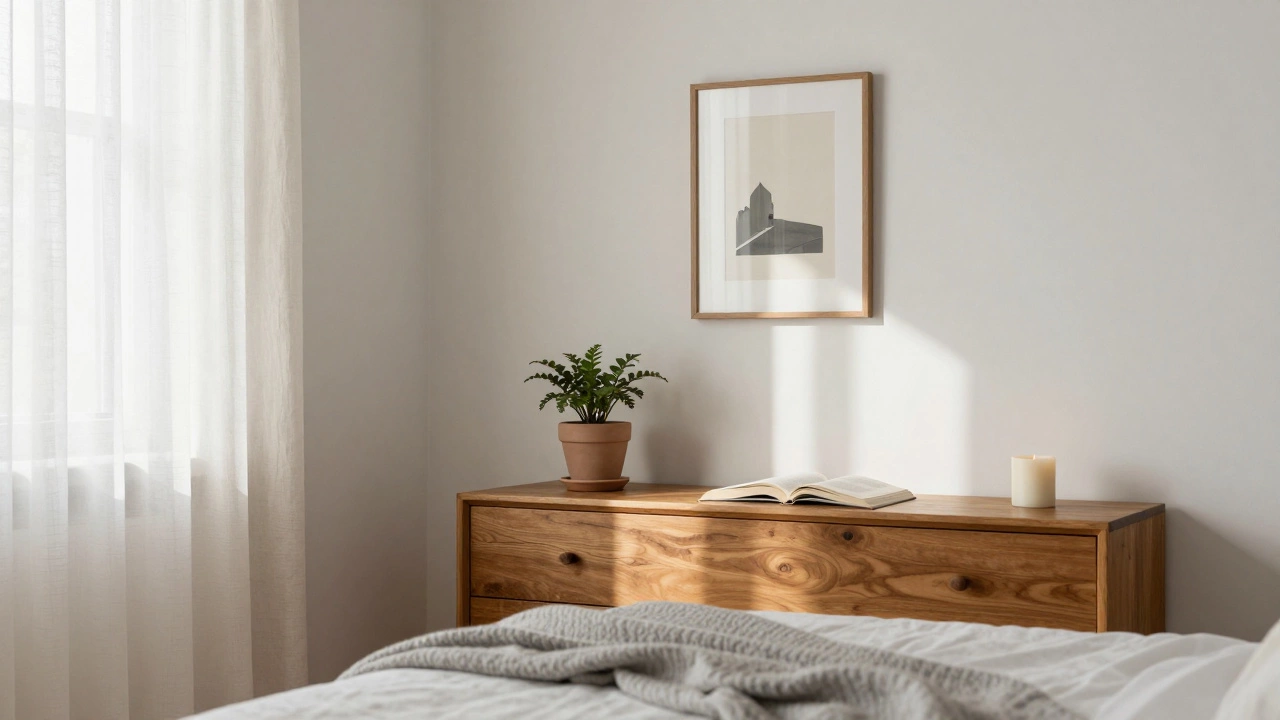
Your style doesn’t have to be finished. It’s okay to start with one room. Maybe you begin with the bedroom - the place you spend the most quiet time. Paint the walls a soft gray. Add a secondhand wooden dresser. Hang a piece of local art. Add a plant that survives in low light. That’s your foundation.Next year, you might add a reading nook by the window. The year after, you might swap out the curtains for handwoven ones from a Durban market. Each change isn’t a mistake - it’s a sign you’re paying attention.
Style isn’t a destination. It’s a conversation between you and your home. And that conversation only gets richer over time.
What to avoid
Here are three common mistakes people make when choosing a home style:- Buying everything at once: It looks great in a showroom. It feels cold and impersonal at home. Start small. Add pieces slowly.
- Ignoring lighting: A room can look amazing in daylight and terrible at night. Test lighting at different times. Warm bulbs (2700K-3000K) work better in most homes than cool white.
- Chasing perfection: A flawless, untouched space feels like a museum. A home with a slightly worn rug, a chipped mug on the counter, or a book left open on the table? That’s where life lives.
Real examples from real homes
In Hillcrest, a couple turned a small 1970s bungalow into a calm retreat by:- Painting all walls in a single warm white (Benjamin Moore White Dove)
- Using only natural materials: rattan chairs, a jute rug, wooden shelves
- Adding one bold piece: a large, hand-painted Zulu textile as a wall hanging
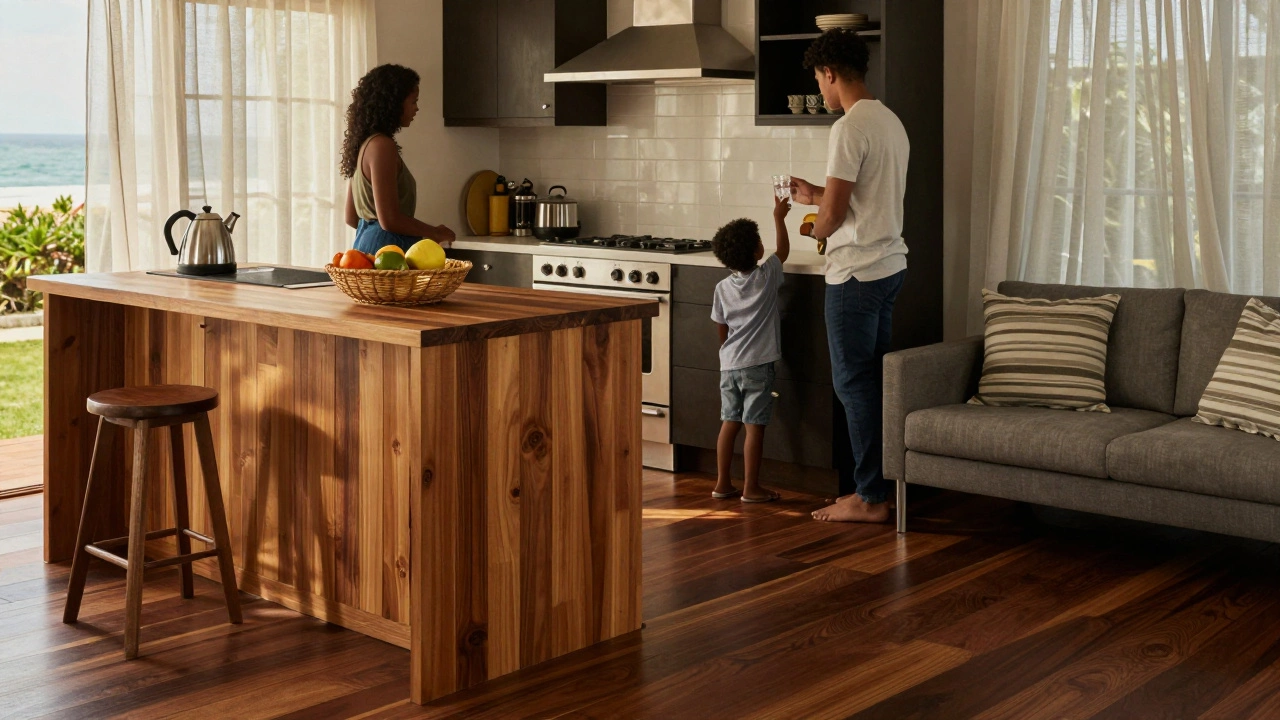
In Umhlanga, a young family chose:
- Dark, durable floors (engineered oak with a matte finish)
- Outdoor furniture inside - weather-resistant cushions on the sofa
- A kitchen island made from recycled teak from a local carpenter
They didn’t follow a trend. They followed function - and their own taste.
Start today
You don’t need a budget or a designer. You just need to notice.- Go to your closet. What colors do you wear most? That’s your palette.
- Look at your favorite coffee mug. What material is it? That’s your texture.
- Think of the last place you felt completely relaxed. What did it look like? That’s your starting point.
One small change. One piece that feels right. That’s all it takes to begin.
Can I mix different design styles in my home?
Yes - and you should. Most homes that feel warm and personal are mixes. A mid-century chair next to a Moroccan rug. A modern lamp above a vintage side table. The key is balance. Keep one element consistent - like color, material, or scale - so the mix feels intentional, not random. Don’t force everything to match. Let things complement each other.
What’s the best way to choose colors for my home?
Start with what you already love. Look at your favorite clothes, your go-to coffee mug, or even the colors you pick for your phone case. Those are clues. Then, test paint samples on your walls. Watch them at different times of day - morning, noon, and night. In places like Durban, natural light changes fast, so what looks perfect at noon might feel too yellow at dusk. Warm whites, soft taupes, and muted greens tend to work well in humid climates.
How do I make a small space feel bigger?
Use light colors on walls and ceilings to help things feel open. Choose furniture with legs - it lets light flow underneath and makes the space feel less heavy. Mirrors help, but only if they reflect something nice - like a window or a plant. Avoid clutter. One well-placed item looks better than five small ones. And always leave breathing room - don’t push everything against the walls. A small space can feel cozy, not cramped.
Do I need to buy new furniture to change my style?
Not at all. A fresh coat of paint, new lighting, or swapped-out cushions can transform a room. Try rearranging what you already have. Move a bookshelf to a different wall. Swap the rug between rooms. Add a plant or two. Sometimes the biggest change comes from seeing your space differently - not buying anything new.
What if I change my mind later?
Good. That means you’re paying attention. Your style isn’t fixed. It should grow as you do. A home that stays the same for 10 years isn’t living - it’s frozen. Let yourself change. Paint a wall. Replace a lamp. Add a new throw. These aren’t mistakes - they’re updates. Your home is meant to reflect your life, not the other way around.