
Signature Style Architect
Discover your core style elements by answering three simple questions about your daily life and preferences. This tool helps align your wardrobe with your actual lifestyle.
Your Style Archetype:
Recommended Fabrics
Key Silhouettes
Color Strategy
The Uniform Concept
You know that feeling when you stand in front of a full closet but have absolutely nothing to wear? It’s not because your clothes are bad. It’s because they don’t tell your story. Creating a signature style isn't about buying the trendiest item on the shelf or copying an influencer’s feed. It’s about curating a visual language that feels like you, even before you say a word.
Think of it this way: if your personality had a color palette and a silhouette, what would they look like? Most people wander through fashion by accident, picking up pieces that catch their eye in the moment. But those who have a signature style operate with intent. They know exactly what works for their body, their lifestyle, and their values. This guide will help you stop guessing and start designing your look with confidence.
The Myth of "Natural" Style
Here is the hard truth: nobody wakes up with a perfectly curated wardrobe. Even the most stylish people you admire likely spent years experimenting, failing, and refining. The idea that style is innate talent is a myth that keeps many people stuck in fast-fashion cycles, buying things they wear once and then forget.
Your style is actually a reflection of your choices. It’s built from the clothes you keep, the ones you donate, and the combinations you repeat until they feel effortless. If you feel lost, it’s probably because you haven’t done the groundwork yet. You need to define the boundaries of your aesthetic before you can play within them.
Audit Your Current Wardrobe
Before you buy a single new item, you need to understand what you already own. Pull everything out. Yes, everything. Sort it into three piles: "Love," "Maybe," and "No."
- Love: These are the pieces you reach for repeatedly. Look at them closely. Do they share a common fabric? A specific cut? A recurring color? This pile is your baseline.
- Maybe: Be honest. If you haven’t worn it in six months, it’s not a "maybe." It’s a burden. Move these to the "No" pile unless there is a very specific reason to keep them.
- No: Items that don’t fit, are damaged beyond repair, or just make you feel meh. Get them out of your space immediately.
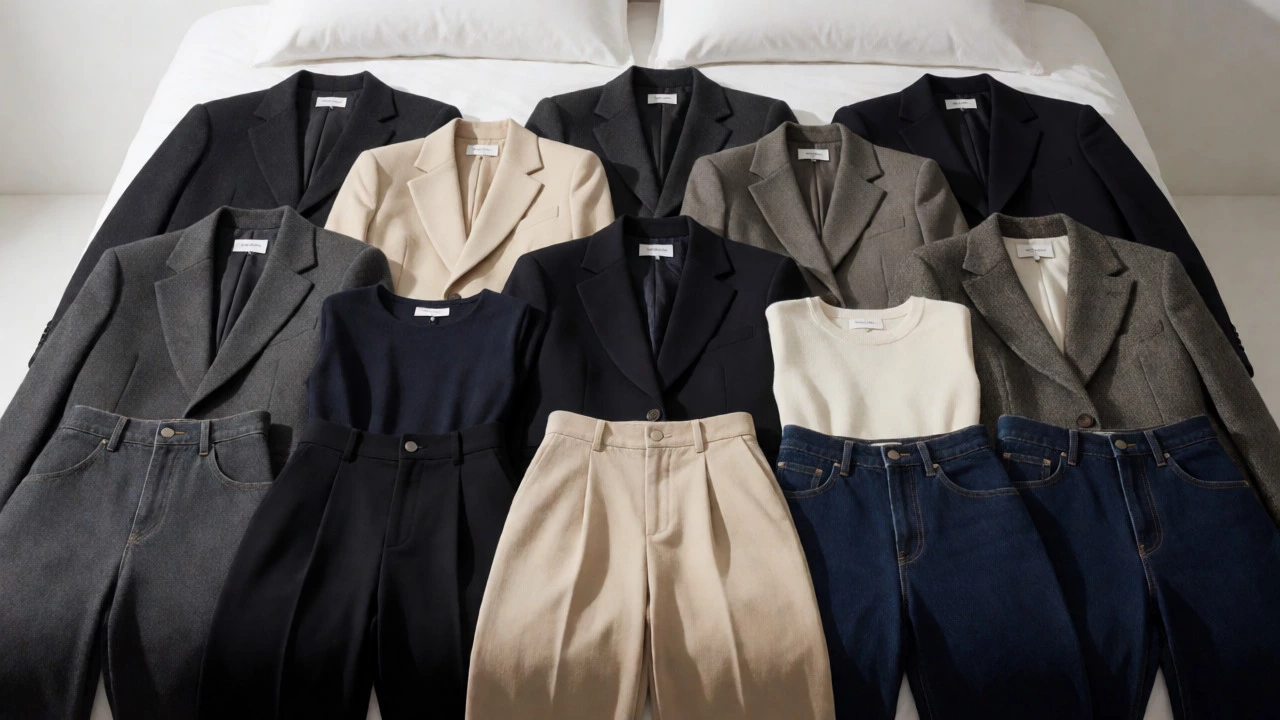
Once you’ve isolated the "Love" pile, take photos of your top ten outfits. Lay them out on your bed or hang them together. What do they have in common? Maybe you always choose high-waisted jeans. Maybe you gravitate toward structured blazers over soft cardigans. Maybe black and white dominate your rack. These patterns are the raw data of your current style. They show you what already works.
Define Your Lifestyle Constraints
Fashion without function is just costume. Your signature style must survive the reality of your daily life. If you work in a corporate law firm but love bohemian flowy dresses, you’ll either look out of place or feel uncomfortable all day. That disconnect kills confidence.
Ask yourself these questions:
- Where do I spend most of my time? Office, home office, outdoors, creative studio?
- What is my climate? Living in Durban means dealing with humidity and mild winters, which changes how fabrics behave compared to someone in London.
- How much effort do I want to put in daily? Do you want a uniform you grab off the hook, or do you enjoy mixing and matching?
If you hate ironing, linen might be a nightmare despite looking great in photos. If you’re constantly running after kids or pets, delicate silks might tear easily. Align your aesthetic with your actual behavior, not your idealized self.
| Lifestyle Need | Recommended Focus | Key Fabrics | Silhouette |
|---|---|---|---|
| High Mobility / Active | Durability & Comfort | Cotton blends, Denim, Stretch Knits | Relaxed Fit, Joggers, Sneakers |
| Corporate / Formal | Polish & Structure | Wool, Silk, Crisp Cotton | Tailored Blazers, Trousers, Loafers |
| Creative / Freelance | Expression & Layering | Linen, Velvet, Mixed Textures | Oversized, Asymmetrical, Vintage |
| Minimalist / Low Effort | Versatility & Ease | Merino Wool, High-Quality Cotton | Neutral Colors, Simple Lines |
Identify Your Core Elements
A signature style usually consists of three pillars: Color, Silhouette, and Texture. You don’t need to reinvent the wheel; you just need to pick your lane.
Color Palette: Pick two neutral base colors (like navy, charcoal, beige, or olive) and one or two accent colors. If you’re unsure, look at your favorite mug or the wall color in your favorite room. Those often reflect your subconscious preferences. Stick to this palette for 80% of your purchases. This ensures everything mixes and matches, reducing decision fatigue.
Silhouette: What shape makes you feel powerful? Some people love being covered up in oversized layers. Others feel best showing off their waist or legs. Experiment with proportions. If you wear tight tops, try loose bottoms. If you wear wide-leg pants, try a fitted top. Find the balance that flatters your body type and makes you move freely.
Texture: This is the secret weapon. A plain white t-shirt looks different depending on whether it’s thin cotton, heavy jersey, or silk. Adding texture-like leather jackets, wool coats, or ribbed knits-adds depth to simple outfits. It makes your style look intentional rather than accidental.
Create a Style Mood Board
Now that you know your constraints and preferences, gather visual inspiration. Use Pinterest or Instagram, but be selective. Don’t save every pretty outfit. Save only the images that make you think, "I could see myself wearing this."
Look for patterns in your saves. Are you saving mostly monochrome looks? Or are you drawn to bold prints? Are the models mostly petite, tall, curvy, or athletic? Seeing yourself in the inspiration matters. If you’re 5’4” and saving outfits designed for 6-foot-tall models, the proportions won’t translate well to your frame.
Narrow it down to 10-15 key images. Print them out or create a digital collage. Pin this board somewhere you’ll see it every morning. This acts as your compass when shopping. If an item doesn’t match the vibe of your board, leave it on the rack.
The Uniform Concept
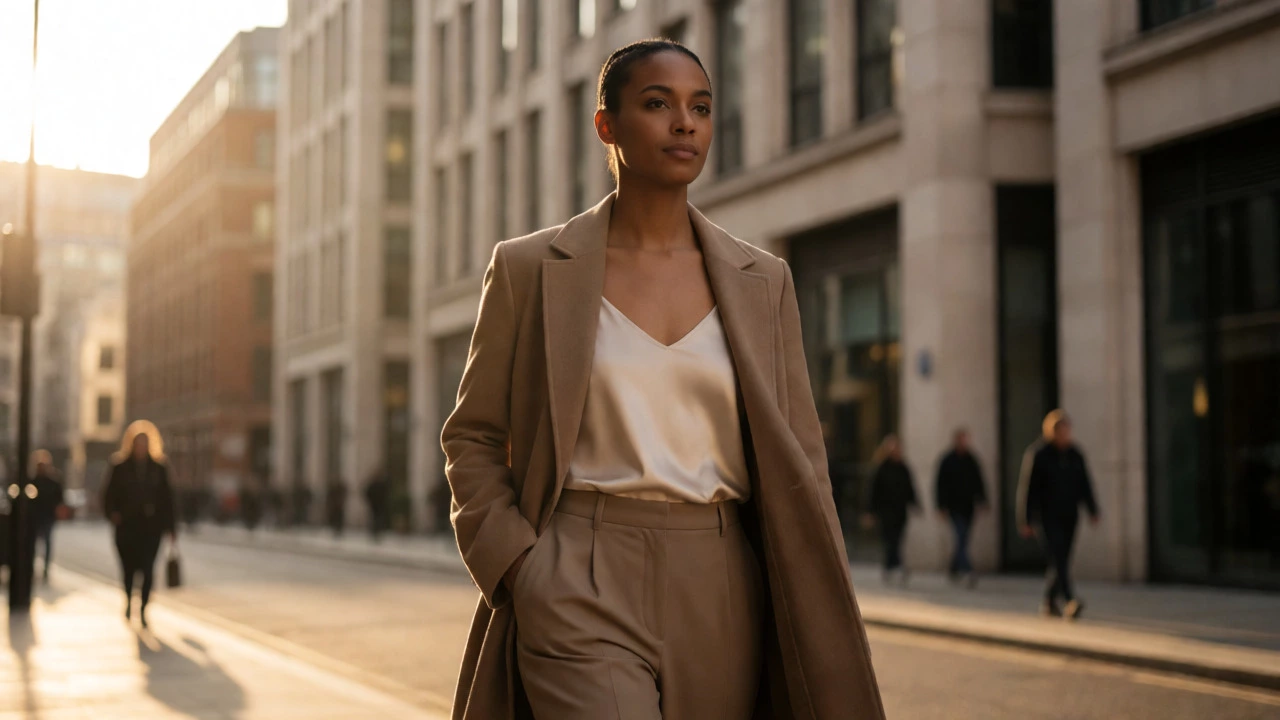
Steve Jobs had his turtleneck. Anna Wintour has her bob and sunglasses. You don’t need to be famous to benefit from a uniform. A uniform isn’t boring; it’s liberating. It removes the daily stress of "what should I wear?"
Try creating 3-5 go-to outfits. For example: 1. Dark jeans + White Tee + Blazer + Boots. 2. Midi Skirt + Tucked-in Shirt + Cardigan + Flats. 3. Tailored Trousers + Silk Camisole + Heels.
Fill your wardrobe so that each of these formulas can be executed multiple times with different variations. Buy five versions of your perfect white tee instead of one random trendy top. Buy three pairs of your ideal jeans. When your basics are dialed in, adding accessories or statement pieces becomes easy.
Purchase with Intention
Stop impulse buying. Before you check out, ask yourself three questions: 1. Does this fit my color palette? 2. Can I wear this with at least three other items I already own? 3. Is this suitable for my lifestyle?
If the answer to any of these is no, walk away. Fast fashion tempts us with low prices, but cost-per-wear tells the real story. A $50 shirt you wear 50 times costs $1 per wear. A $20 shirt you wear twice costs $10 per wear. Quality matters more than quantity.
Also, consider sustainability. Buying less but better reduces waste. In South Africa, local brands often offer durable quality that lasts longer than mass-produced imports. Supporting local designers also helps you find unique pieces that aren’t on everyone else’s back.
Maintain and Evolve
Your style isn’t static. You’ll change jobs, move cities, gain weight, lose weight, or simply grow older. Review your wardrobe twice a year. Remove anything that no longer fits your current life. Add small updates-a new accessory, a seasonal coat-that refresh your look without overhauling everything.
Confidence comes from consistency. When you wear clothes that align with your true self, you carry yourself differently. People notice. Not because you’re wearing expensive labels, but because you look comfortable in your own skin. That is the essence of a signature style.
Do I need to throw away all my old clothes to start fresh?
No, you don’t need to start from zero. Start by identifying the items you genuinely love and wear often. Build around those pieces. Gradually replace items that don’t fit your new direction as they wear out or as you have budget. A gradual transition prevents buyer’s remorse and financial strain.
How do I find my style if I have no sense of fashion?
Start with observation. Pay attention to what you naturally pick in stores, even if you don’t buy them. Notice which celebrities or friends you envy for their look. Try renting clothes or borrowing from friends to test different styles without commitment. Fashion is a skill that improves with practice, not a fixed trait.
Can I have more than one signature style?
Yes, many people have distinct styles for different contexts, such as "work mode" versus "weekend mode." However, try to find a common thread, like a preferred color palette or silhouette, that connects them. This creates cohesion while allowing flexibility for different activities.
Is following trends bad for having a signature style?
Not necessarily. Trends can provide inspiration and update your look. The key is to filter trends through your personal lens. Only adopt a trend if it aligns with your core style elements. Otherwise, stick to classics. Your signature style should outlast any single season’s fad.
How much does it cost to build a signature style?
It varies widely based on your budget and existing wardrobe. Building a signature style is more about curation than spending. Thrifting, sales, and buying fewer but higher-quality items can make it affordable. Focus on versatility and longevity rather than volume.