Diet Quality Score Calculator
Select Your Daily Foods
Click items you consumed today (select up to 10)Your Diet Score
Personalized Tips
Breakdown Analysis
Healthy Choices (0)
Items to Replace (0)
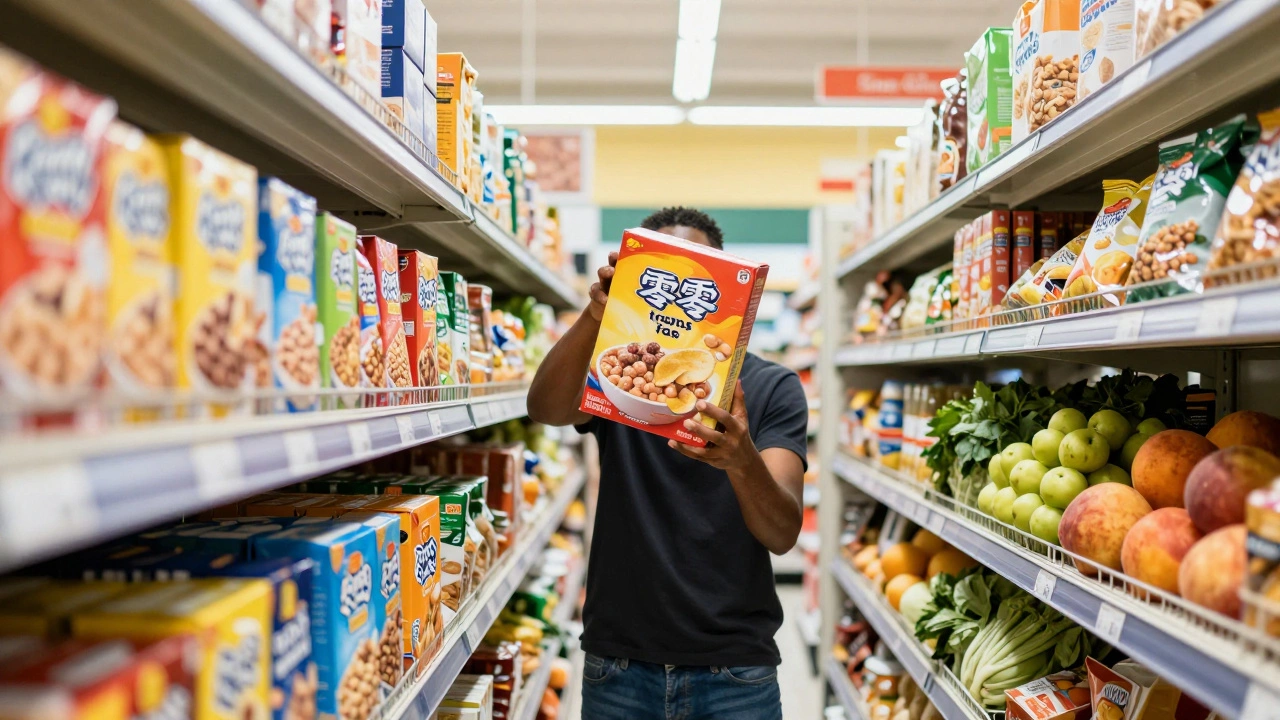
You walk down the aisle of your local supermarket in Durban, staring at a colorful box of sugary cereal or a bag of chips that promises "zero trans fats." You might think you’re making a safe choice. But what if I told you that some of the most dangerous foods aren’t the ones dripping with grease, but the ones hiding in plain sight? When we ask, what is the unhealthiest food, we often expect a simple answer like "fried chicken" or "donuts." The reality is far more complex and, frankly, more concerning for your long-term health.
The concept of the "unhealthiest" food isn't about finding one single item to banish forever. It’s about understanding patterns. It’s about recognizing that a processed snack eaten once a month won’t ruin your life, but a daily diet filled with hidden sugars and refined carbs will. As someone who spends a lot of time navigating the grocery stores here in South Africa, I’ve seen how marketing tricks us into thinking certain foods are harmless. They’re not. And before we dive deep into the science of why these foods damage our bodies, it’s worth noting that sometimes, when we travel or explore different cultures-like checking out a directory such as this resource for entertainment options abroad-we realize how much our lifestyle choices impact our well-being. Back home, however, the focus remains on what we put on our plates every single day.
The King of Junk: Ultra-Processed Foods
If there is a central villain in the modern diet, it’s not just "junk food" in the general sense. It’s specifically ultra-processed foods, which are industrial formulations made mostly from substances extracted from foods, such as oils, fats, sugars, starches, and proteins, plus various additives designed to make them hyper-palatable. These aren’t just cookies or sodas. We’re talking about mass-produced sweet snacks, packaged biscuits, reconstituted meat products (like hot dogs), and even many "healthy" sounding granola bars.
Why are they so bad? Because they are engineered to bypass your body’s natural satiety signals. When you eat an apple, you have to chew it. Your brain registers the effort and the fiber content, telling you when to stop. When you eat a pouch of flavored cheese dip or a sugary energy bar, it melts in your mouth. Your brain doesn’t register the calorie load until hours later, leading to overeating. A study published in *The New England Journal of Medicine* found that participants ate 500 more calories per day when fed an ultra-processed diet compared to a minimally processed one, even though both diets were matched for nutrients. That extra 500 calories adds up to nearly 35 pounds of weight gain a year.
The Silent Killer: Added Sugars and Liquid Calories
Let’s talk about sugar. Not the fructose found naturally in fruit, which comes wrapped in fiber and water. I’m talking about added sugars, particularly high-fructose corn syrup and refined white sugar. The unhealthiest form of sugar consumption is actually liquid. Sodas, energy drinks, and even "fruit juices" (unless they are 100% whole fruit smoothies) deliver a massive glucose spike without any chewing or digestive slowdown.
When you drink a standard can of soda, you’re consuming about 40 grams of sugar. That’s ten teaspoons. Your liver gets flooded with fructose faster than it can process it, converting the excess directly into visceral fat-the kind that wraps around your organs and increases the risk of heart disease and type 2 diabetes. In South Africa, where sugary beverages are cheap and ubiquitous, this is a major public health concern. Swap that soda for sparkling water with a squeeze of lime, and you instantly remove one of the biggest dietary risks from your day.
Refined Carbs: The White Poison
White bread, white rice, and regular pasta are often viewed as neutral staples. They’re not. From a metabolic standpoint, eating white bread is almost identical to eating pure sugar. The refining process strips away the bran and germ, leaving only the starchy endosperm. This means the fiber is gone, and the remaining carbohydrates break down into glucose incredibly fast.
This rapid conversion causes blood sugar spikes followed by crashes, leaving you hungry again within an hour. If you’re looking for healthy meal ideas, swapping white rice for cauliflower rice or quinoa, and choosing sourdough or whole-grain breads with visible seeds and grains, makes a tangible difference. You’re not just cutting calories; you’re stabilizing your energy levels and reducing inflammation.

Fried Foods and Trans Fats
We all love a crispy fry now and then. But regularly consuming deep-fried foods introduces two problems: acrylamide and oxidized oils. Acrylamide is a chemical that forms when starchy foods are cooked at high temperatures. While the evidence on its cancer risk in humans is still evolving, it’s classified as a probable carcinogen. More immediately damaging is the oil itself. Many commercial fryers use oils high in omega-6 fatty acids, which, when heated repeatedly, become pro-inflammatory.
Inflammation is the root of many chronic diseases, including arthritis and heart conditions. If you crave crunch, try baking chickpeas with spices or air-frying vegetables with a light coating of olive oil. You get the texture without the toxic load.
How to Identify the Worst Offenders
You don’t need a nutrition degree to spot unhealthy foods. Here is a simple checklist to keep in your pocket:
- Ingredient List Length: If you can’t pronounce half the ingredients, put it back. Whole foods have short lists. Ultra-processed foods have pages of them.
- Sugar Variations: Look for hidden names like dextrose, maltose, cane juice, agave nectar, and brown rice syrup. If three or more of these appear in the top five ingredients, avoid it.
- Protein Source: Is the protein isolated or textured? That usually means it’s been heavily processed. Look for recognizable meat, fish, or plant sources.
- Fiber Content: If a carb-heavy product has less than 3 grams of fiber per serving, it’s likely refined.
| Food Item | Processing Level | Key Risk Factor | Better Alternative |
|---|---|---|---|
| Regular Soda | Ultra-processed | High liquid sugar, insulin spike | Sparkling water + citrus |
| White Bread | Refined | Rapid glucose absorption | Whole grain sourdough |
| Hot Dogs | Ultra-processed | Nitrates, saturated fats | Grilled chicken sausage |
| Packaged Cookies | Ultra-processed | Trans fats, refined sugar | Dark chocolate + berries |
Building Better Habits Without Deprivation
Knowing what’s unhealthy is step one. Step two is replacing those habits without feeling like you’re starving yourself. The goal isn’t perfection; it’s progress. Start by focusing on addition rather than subtraction. Instead of saying "I can’t eat chips," say "I will add a side of roasted broccoli to my dinner." Often, filling up on nutrient-dense whole foods naturally reduces the craving for junk.
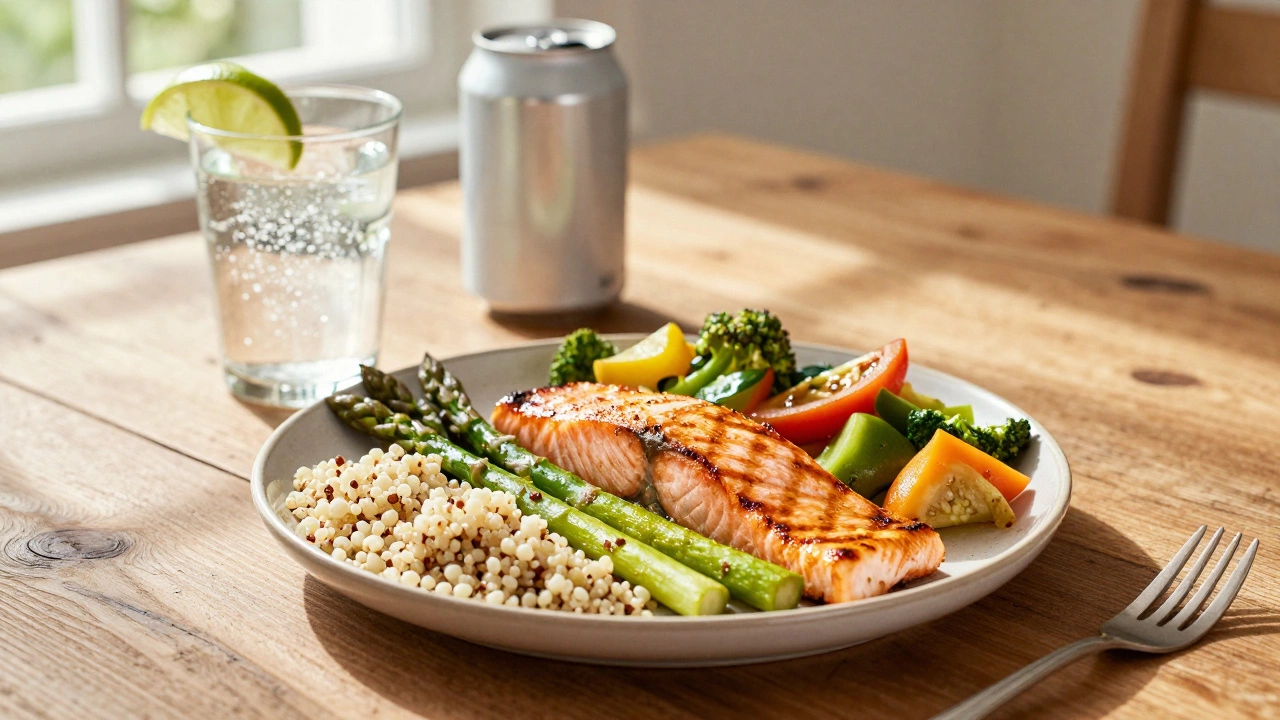
Cooking at home is the ultimate defense against ultra-processed foods. When you control the ingredients, you control the quality. Simple meals like grilled salmon with asparagus, lentil soups, or stir-fried tofu with mixed vegetables are not only healthier but often cheaper than buying pre-packaged meals. In Durban, we have access to incredible fresh produce markets. Take advantage of them. Seasonal fruits and vegetables are packed with antioxidants that fight the cellular damage caused by poor diet choices.
The Psychological Trap of Marketing
Food companies spend billions on research to make their products addictive. They find the perfect ratio of salt, sugar, and fat-the "bliss point"-that keeps you coming back for more. Understanding this helps you detach emotionally from food cravings. When you feel a sudden urge for a specific brand of candy, recognize it for what it is: a chemical trigger, not a biological need. Pause. Drink a glass of water. Wait ten minutes. Often, the craving passes.
Remember, your body is resilient. One bad meal won’t undo months of good eating. But consistently choosing whole, minimally processed foods will transform your energy, mood, and long-term health. The unhealthiest food isn’t just what’s on your plate; it’s the mindset that tells you you deserve to eat trash. Shift that mindset, and everything else follows.
Is there really one single unhealthiest food?
No, there isn't a single "worst" food. Health impacts depend on portion size, frequency, and individual metabolism. However, ultra-processed foods collectively pose the greatest risk due to their combination of added sugars, unhealthy fats, and lack of nutrients.
Are organic processed foods healthier?
Not necessarily. An organic cookie is still a cookie. While it may lack pesticides or synthetic additives, it can still be high in sugar and refined flour. Always look at the nutritional profile, not just the label claims.
How much sugar is too much?
The World Health Organization recommends limiting added sugars to less than 10% of total daily calories, ideally below 5%. For most adults, this means no more than 25 grams (about 6 teaspoons) per day.
Can I reverse damage from years of eating junk food?
Yes, the human body is remarkably adaptable. Switching to a whole-food diet can improve blood sugar control, reduce inflammation, and even reverse early signs of metabolic syndrome within weeks to months.
What are easy healthy meal ideas for busy people?
Try batch-cooking grains like quinoa or brown rice, keeping canned beans and frozen vegetables on hand, and using quick-cook proteins like eggs or rotisserie chicken. Assemble bowls in under 10 minutes with minimal prep.