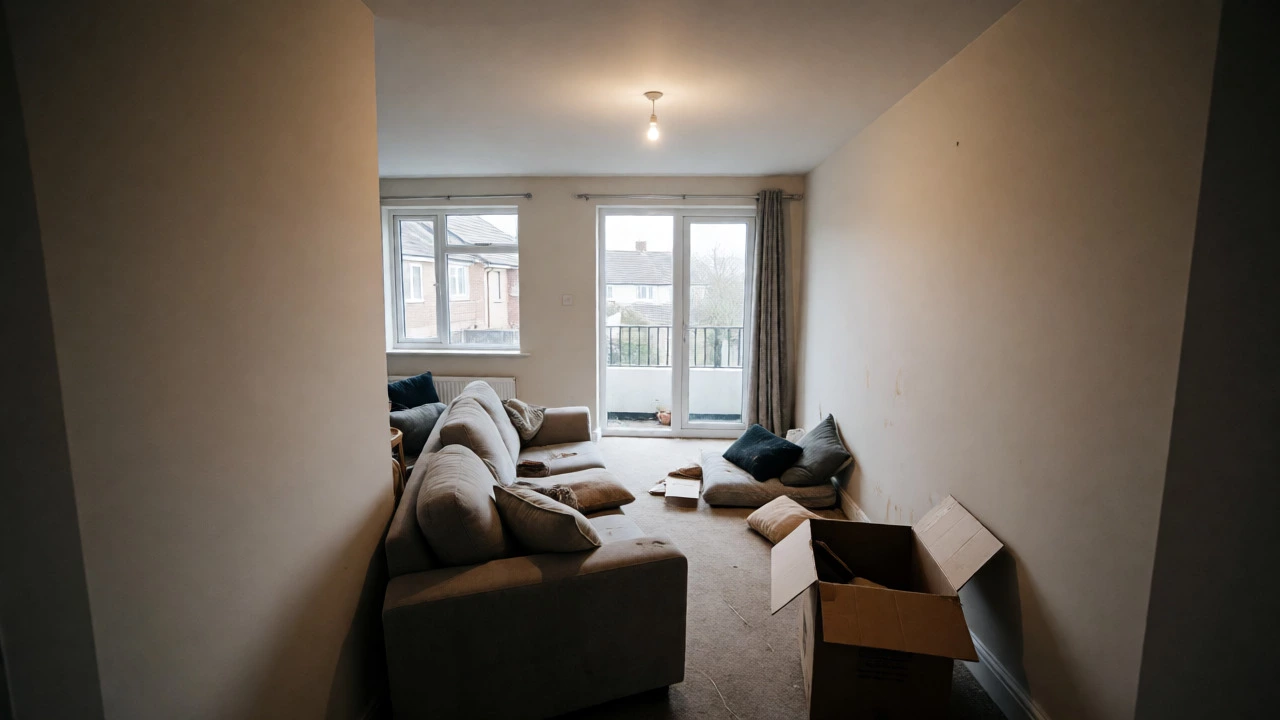
60-30-10 Color Palette Generator
Create a harmonious room scheme by selecting three colors. The dominant color covers 60% of the space (walls, rugs), secondary covers 30% (upholstery, curtains), and accent covers 10% (pillows, art).
1. Choose Your Base Colors
2. Preview & Suggestions
Room Mood Analysis
Neutral & Calm
This combination suggests a serene environment suitable for relaxation.
You walk into your living room, look around, and feel... nothing. Or maybe you feel overwhelmed by the clutter of half-finished projects. It’s a common feeling. We often think decorating requires a massive budget or an innate artistic talent that we simply don’t have. But here is the truth: home decor is not about buying expensive things; it is about curating a space that works for how you actually live. Whether you are renting a small apartment in Durban or owning a sprawling suburban home, the principles remain the same. You need flow, light, and personal meaning. If you are asking "how do I decorate my house?", you are likely looking for a roadmap that skips the jargon and gets straight to actionable steps. This guide breaks down the process into manageable chunks, helping you transform your space without losing your mind or your savings.
Start With the Layout, Not the Paint
Most people make their first mistake at the hardware store. They pick out a paint color because they liked it on a sample card, only to realize later that it clashes with their furniture or makes the room feel smaller. Before you touch a brush, you need to solve the layout problem. Furniture placement dictates everything else. If your sofa blocks the path to the balcony door, no amount of throw pillows will fix the frustration.
Think about traffic flow. Can you walk through the room without turning sideways? Do you have enough elbow room when you sit down? In many South African homes, especially older builds, rooms can be oddly shaped or lack natural light. Use this to your advantage. If a room feels dark, pull furniture away from the walls slightly to create depth. If it feels too large, use rugs to define specific zones, like a reading nook separate from the main seating area.
- The Triangle Rule: In living areas, keep the distance between your primary seating, TV, and coffee table within a comfortable viewing range (usually 1.5 to 2.5 meters).
- Floating Furniture: Don't push everything against the wall. Pulling a sofa two inches off the wall can make a room feel more intimate and less like a waiting room.
- Sight Lines: Stand in the doorway. What do you see first? Ensure that focal point is something pleasing, not a pile of laundry or a blank wall.
Lighting Is the Most Underrated Tool
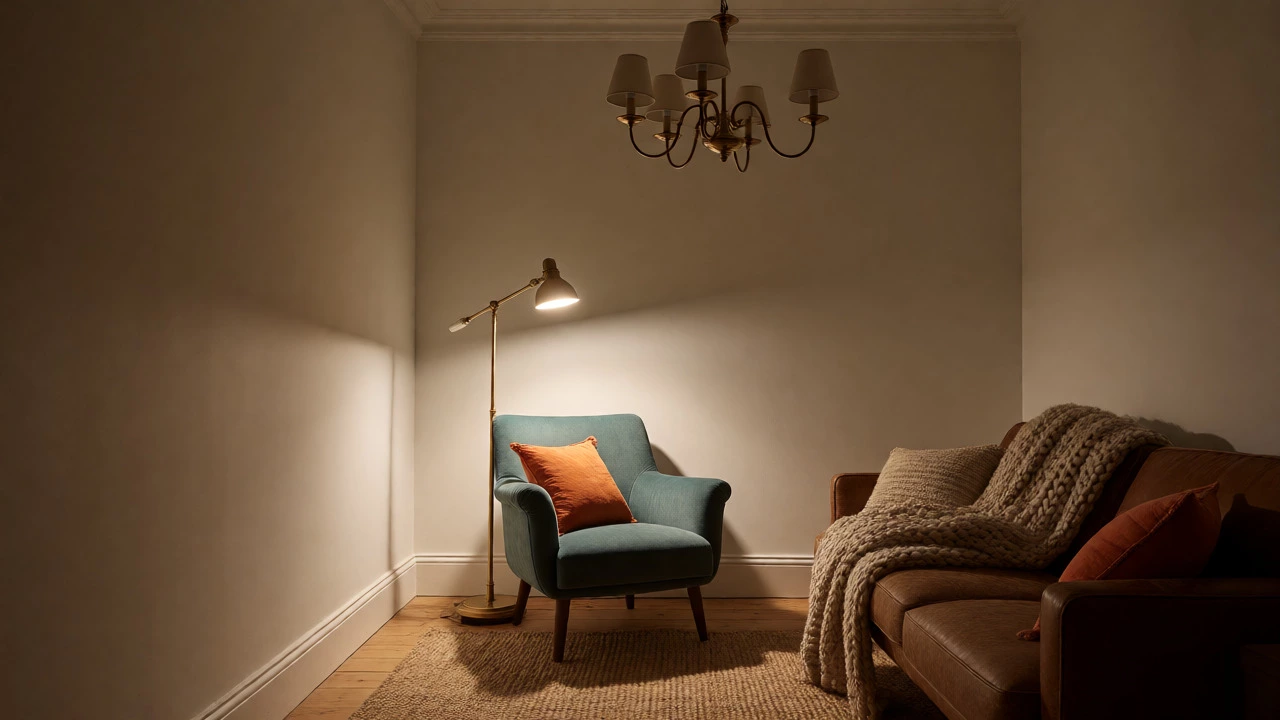
If your house feels flat or sterile, it is probably because you are relying solely on overhead ceiling lights. That single bulb casts harsh shadows and flattens textures. To add warmth and dimension, you need layered lighting. Interior designers often refer to this as the three-layer rule: ambient, task, and accent lighting.
Ambient lighting provides general illumination-this is your ceiling fixture or chandelier. Task lighting helps you do things-reading lamps by the sofa, under-cabinet lights in the kitchen, or a focused desk lamp. Accent lighting highlights features-a spotlight on a piece of art, LED strips behind a TV, or uplights in corners to draw the eye upward.
Here is a quick heuristic: if you can’t turn off all the lights except one cozy lamp in the evening, your lighting plan isn’t finished. Dimmer switches are cheap upgrades that instantly change the mood. Swap out cool-white bulbs (4000K+) for warm-white bulbs (2700K-3000K) in living spaces. The difference is night and day, literally. Warm light relaxes us; cool light wakes us up. Keep cool light for bathrooms and kitchens where clarity matters.
Choose a Color Palette That Actually Works
Picking colors is scary because mistakes are visible. The classic advice is the 60-30-10 rule, and it works for a reason. Sixty percent of the room should be a dominant color (walls, large rugs). Thirty percent should be a secondary color (upholstery, curtains). Ten percent should be an accent color (pillows, art, vases).
But where do you start? Look at something you already love. Maybe it is a rug you inherited, a painting you bought at a market, or even a favorite jacket. Pull three colors from that item. Use a free online tool like Coolors.co to generate a palette based on those hues. This ensures harmony before you spend a cent.
| Color Family | Best For | Effect on Mood |
|---|---|---|
| Neutrals (Beige, Grey, White) | Living Rooms, Bedrooms | Calm, spacious, clean |
| Blues & Greens | Bathrooms, Home Offices | Relaxing, focused, refreshing |
| Yellows & Oranges | Kitchens, Dining Areas | Energetic, welcoming, appetizing |
| Dark Tones (Navy, Charcoal) | Studies, Media Rooms | Cozy, dramatic, sophisticated |
Don’t fear white. But avoid stark, hospital white. Go for off-whites with undertones that match your flooring. If your floors have yellow undertones, a blue-based white will look dirty. Test paint samples on different walls and view them at different times of day. Natural light changes everything.
Texture Creates Interest Without Clutter
You have picked your colors and arranged your furniture. Now the room looks... fine. But not amazing. Why? Because it lacks texture. Texture is what makes a space feel inviting rather than showroom-stale. It engages our sense of touch and adds visual depth.
Mix materials. If you have a smooth leather sofa, pair it with a chunky knit throw and a rough wooden coffee table. Add a velvet cushion or a silk curtain. The contrast between hard and soft, shiny and matte, is what creates a rich environment. In Durban, where humidity can be high, consider breathable fabrics like linen or cotton for upholstery to stay comfortable year-round.
Rugs are the easiest way to introduce texture. A jute rug adds organic warmth, while a wool rug adds plush comfort. Layering a smaller vintage rug over a larger neutral sisal rug is a trend that has stuck around because it works-it defines the space and adds personality.
Personalize With Art and Memories
This is where your house becomes yours. Generic decor looks nice, but personal touches make it a home. However, there is a right way and a wrong way to display memories. The wrong way is covering every surface with knick-knacks. The right way is curation.
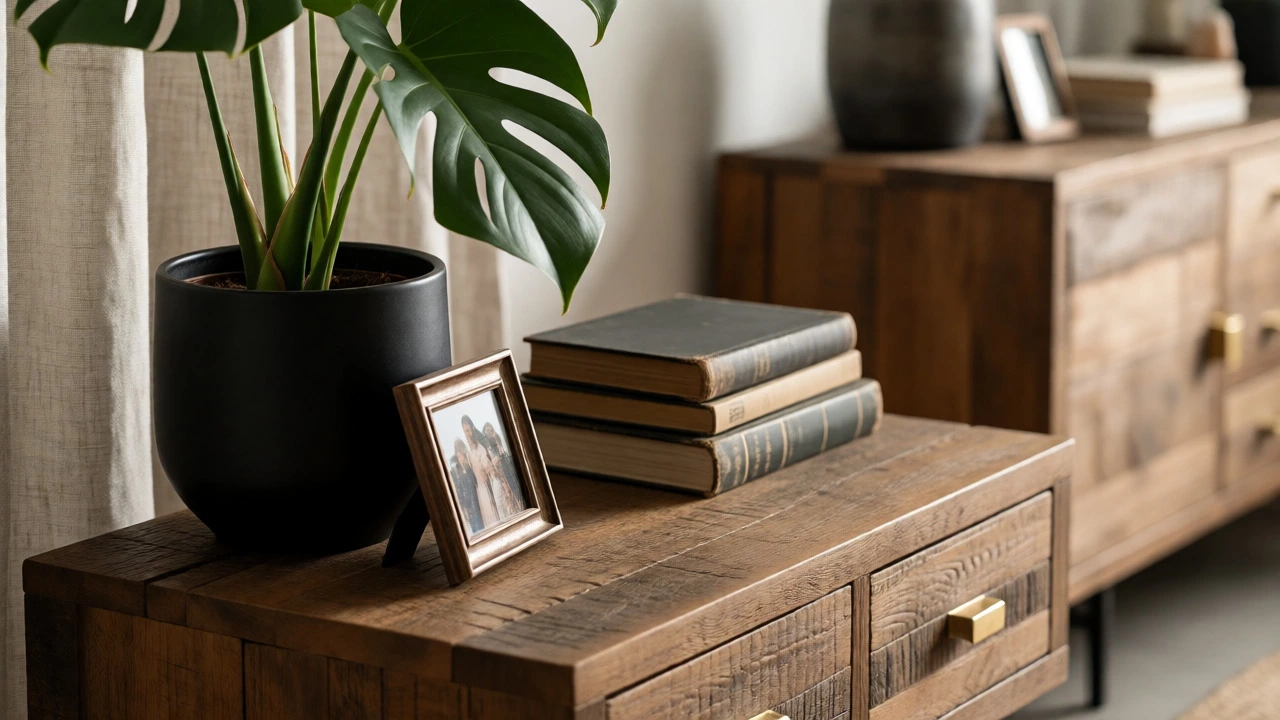
Create vignettes. Group odd numbers of objects together (three or five) on a shelf or side table. Vary the heights. A tall vase next to a stack of books and a small photo frame creates a dynamic triangle. Avoid symmetry unless you want a very formal look. Asymmetry feels more relaxed and human.
Hang art at eye level, not too high. A common mistake is placing pictures near the ceiling. The center of the artwork should be about 1.5 meters from the floor. If you are hanging a gallery wall, lay out the frames on the floor first to get the spacing right. Use painter’s tape to mark the positions on the wall before drilling holes.
Plants are also part of this personalization. They bring life and improve air quality. Snake plants and ZZ plants are nearly indestructible and great for beginners. Monstera deliciosa adds a dramatic tropical vibe that fits well with coastal aesthetics. Just remember: real plants need care. Fake plants need dusting. Choose accordingly.
Budget-Friendly Swaps and Upgrades
You don’t need to replace all your furniture to refresh your home. Small changes yield big results. Here are five high-impact, low-cost swaps:
- Change Hardware: Swap out cabinet knobs and drawer pulls. Brushed gold or matte black handles can modernize outdated kitchen cabinets instantly.
- Update Light Fixtures: Replace builder-grade ceiling lights with statement pendants or sconces.
- Add Curtains: Hang curtains high and wide. Mount the rod close to the ceiling and extend it beyond the window frame. This makes windows look larger and ceilings taller.
- Paint One Wall: An accent wall adds drama without the cost of painting the whole room.
- Declutter: Remove anything that doesn’t serve a purpose or bring joy. Empty space is a luxury.
Shop second-hand. Facebook Marketplace, local charity shops, and estate sales are treasure troves. A solid wood sideboard from the 1970s can be sanded down and stained for a fraction of the price of new particleboard furniture. Plus, it has character.
Maintaining Your Style Over Time
Decorating isn’t a one-time event. Trends change, and so do your needs. A nursery becomes a study; a guest room becomes a home office. Give yourself permission to evolve. Start with foundational pieces that are neutral and durable. Then, rotate accessories seasonally. Change throw pillows in summer to lighter linens and in winter to heavier velvets. Swap out artwork or mirrors periodically.
Keep a "decor journal" or Pinterest board. When you see something you like, save it. Review it after six months. If you still like it, buy it. This prevents impulse purchases that end up in the back of a closet.
How much does it cost to decorate a house?
It varies wildly. You can refresh a room for under R500 by decluttering, rearranging furniture, and adding thrifted accessories. A full renovation including new furniture, paint, and fixtures can range from R10,000 to R50,000+ per room. Set a strict budget and prioritize items you use daily, like mattresses and sofas.
Should I hire an interior designer?
Not necessarily. Designers are valuable for complex layouts, custom builds, or if you hate decision fatigue. For most renters and homeowners, following basic principles like scale, balance, and lighting is sufficient. If you hire someone, ask for a consultation fee first to see if their style matches yours before committing to a full project.
What is the biggest mistake beginners make?
Buying furniture that is too large for the room. Always measure your space and the item before purchasing. Another common error is matching everything perfectly. A cohesive room does not mean a matching suite; mix eras, styles, and finishes for a collected look.
How do I make a small room look bigger?
Use light colors on walls and large mirrors to reflect light. Choose furniture with exposed legs to show more floor area, which creates a sense of openness. Keep windows uncluttered with minimal curtains. Vertical storage solutions draw the eye up, emphasizing height rather than width.
Can I decorate a rental property?
Absolutely. Focus on removable elements: peel-and-stick wallpaper, temporary wall hooks, rugs, lighting, and textiles. These items travel with you and require no landlord approval for permanent changes. Use command strips instead of nails to preserve security deposits.