Outfit Formula Generator
Follow the Base Item Strategy: Pick an anchor piece, balance its proportions, and finish with a third piece to create a complete look.
Select a base item first...
Your curated look will appear here
Mix and match the pieces above to build your outfit!
Main Takeaways for Your Style Journey
- Start with a "base" item and build around it.
- Use digital mood boards to spot patterns in what you actually like.
- Limit your color palette to make mixing and matching effortless.
- Focus on proportions-balance loose pieces with tighter ones.
- Stop buying single "statement" pieces that don't match anything else you own.
Start with a Digital Mood Board
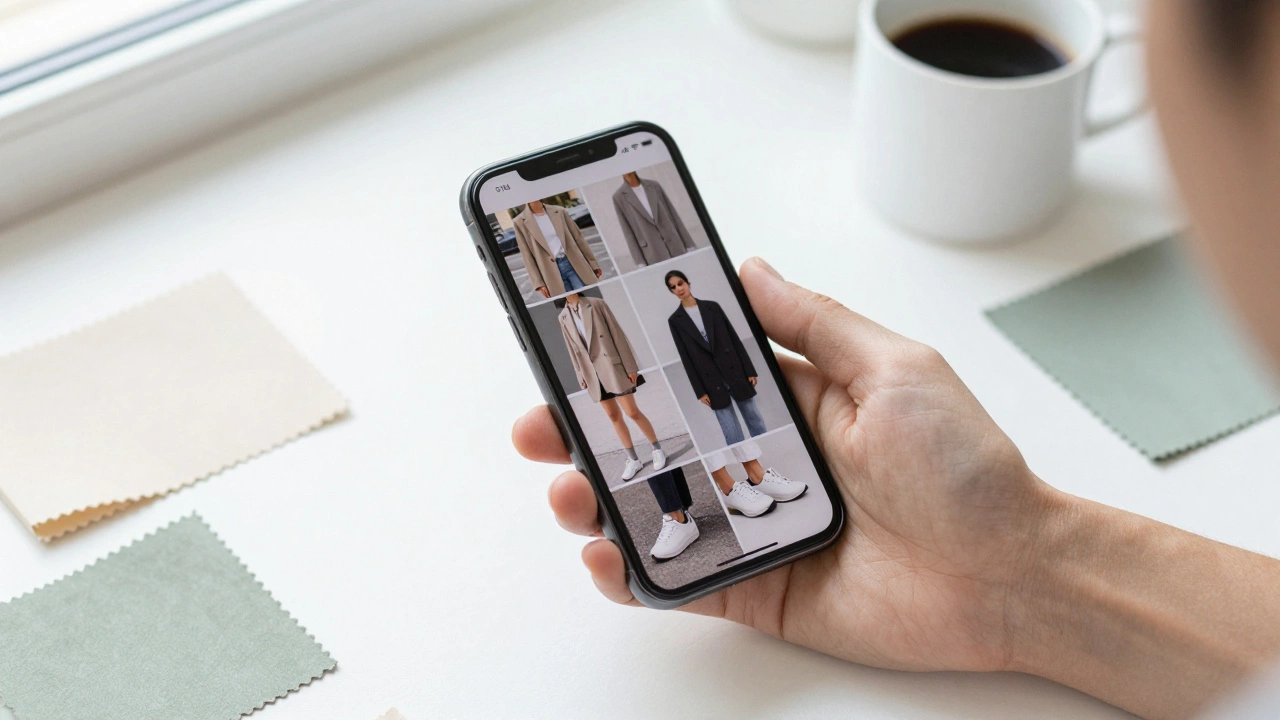
Before you start pulling clothes out of your drawers, you need to figure out what you're actually drawn to. Most people think they like a style until they actually try to wear it. Pinterest is a visual discovery engine that allows users to save images and organize them into themed boards. It's the gold standard for finding outfit ideas because it uses an algorithm to show you more of what you already like.
Here is a pro tip: don't just pin things you think look "cool." Pin things you would actually wear in your real life. If you live in a rainy city, pinning high-fashion silk gowns from a summer gala in Italy isn't helpful. Look for "street style" photos from cities with similar weather to yours. Once you have 30-50 pins, look for the common denominators. Do you see a lot of oversized blazers? Are there a lot of white sneakers? Those are your core pieces.
The "Base Item" Strategy
The biggest mistake people make is trying to build an entire outfit in their head at once. It's overwhelming. Instead, pick one "anchor" or base item. This is the piece you definitely want to wear today-maybe it's a specific pair of Straight-Leg Jeans or a favorite vintage sweater.
Once you have your anchor, ask yourself: "What is the opposite of this piece?" If your jeans are baggy and loose, your top should probably be more fitted to balance the silhouette. If you're wearing a tight pencil skirt, an oversized button-down shirt creates a balanced, effortless look. This is all about proportions. When you balance volume, you stop looking like you're wearing a costume and start looking like you have a curated style.
| The Base Item | The Balancing Piece | The Finishing Touch |
|---|---|---|
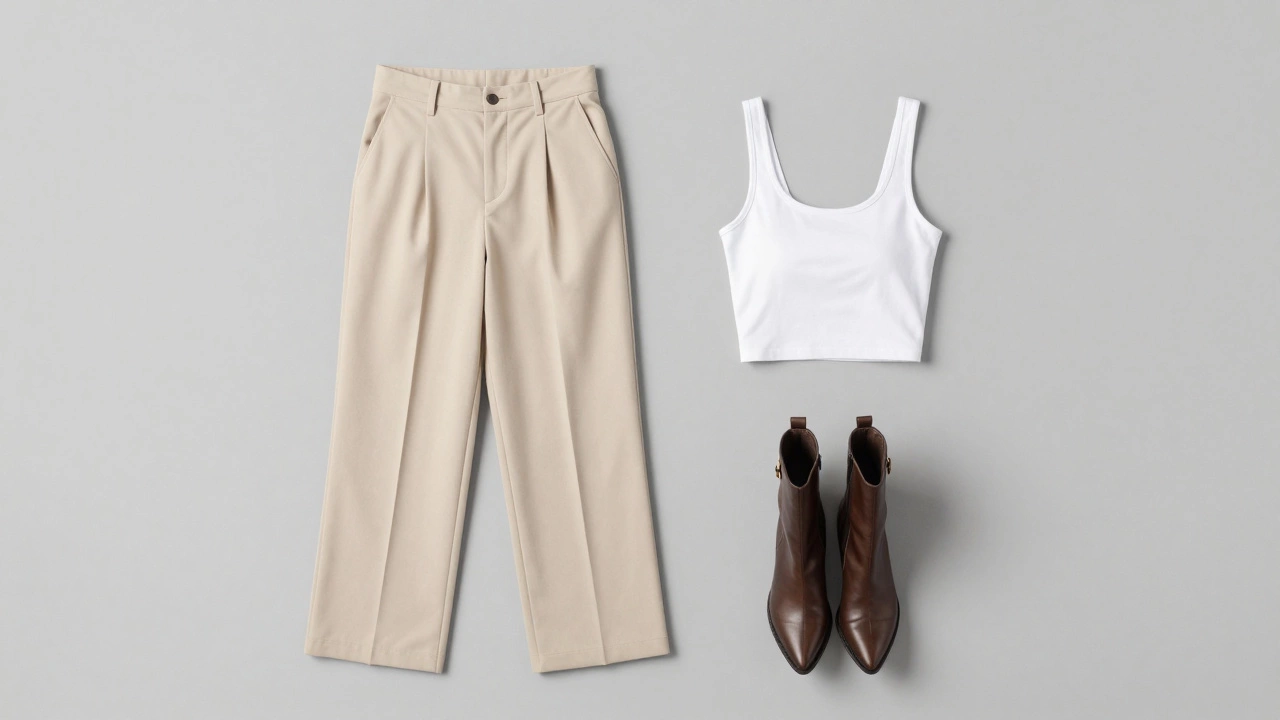
| Wide-leg trousers | Tucked-in crop top | Pointed boots or loafers |
| Oversized t-shirt | Biker shorts or leggings | Chunk sneakers + crew socks |
| Slip dress | Cropped cardigan or blazer | Minimalist gold jewelry |
| Basic white tee | Structured midi skirt | Leather belt + sandals |
Build a Capsule Wardrobe
If you want to stop stressing every morning, you need to move toward a Capsule Wardrobe, which is a curated collection of a few essential items of clothing that can be mixed and matched to create a wide variety of outfits. The secret to a capsule wardrobe isn't having the most expensive clothes; it's having the most compatible clothes.
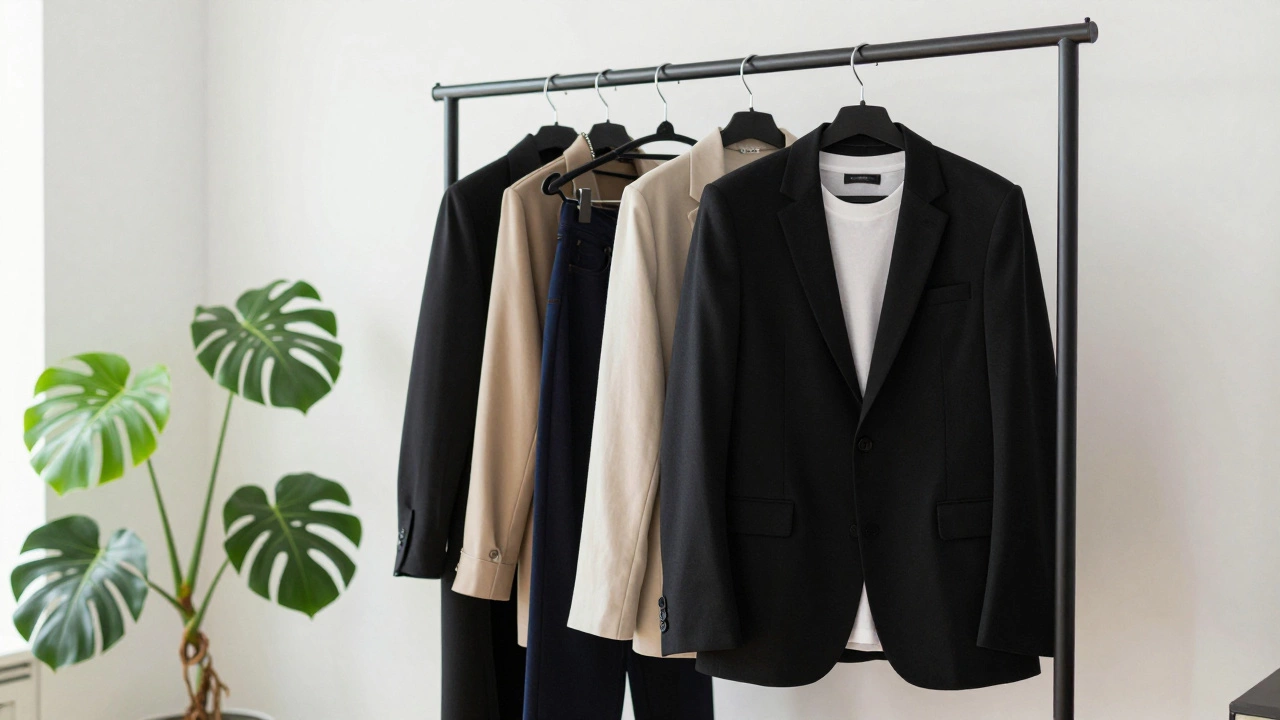
Stick to a color palette. Pick two neutrals (like black and beige) and one or two accent colors (like sage green or navy). When everything in your closet is in the same color family, you can literally pick two items at random and they will probably look good together. This removes the "analysis paralysis" that happens when you have 200 different colors competing for your attention. Focus on quality over quantity. A well-fitting white t-shirt from a brand like Uniqlo will look better and last longer than five cheap shirts that shrink after one wash.
Use the "Three-Piece Rule"
Ever wonder why some people look "put together" even in a plain t-shirt and jeans? They are usually using the three-piece rule. The rule is simple: an outfit consists of a top and a bottom, but it only becomes a "look" when you add a third piece.
The third piece could be a blazer, a denim jacket, a bold belt, or even a statement necklace. This extra layer adds dimension and makes it look like you actually put thought into your clothes. If you're wearing a black dress, adding a leather jacket makes it an outfit. Without the jacket, it's just a dress. It's a small psychological trick that signals to others (and yourself) that you've made a conscious style choice.
Shop Your Own Closet
Before you go online and buy more clothes because you "have nothing to wear," try a closet audit. Take everything out. Seriously, everything. Fold it and put it back in categories: tops, bottoms, dresses, outerwear. When you see everything laid out, you'll notice things you forgot you owned.
Try "wrong-way" pairing. Take a piece of clothing you usually wear for a specific occasion and pair it with something completely different. Put your fancy work trousers with a graphic tee and sneakers. Put your gym leggings with a structured blazer and a button-down. This is how most modern fashion trends start-by mixing high and low, or formal and casual. You'll find new outfit ideas without spending a dime.
Dealing with Style Ruts
We all hit a wall where nothing feels right. When that happens, stop looking at the mirror and start looking at your environment. If you're feeling bored, change one small variable. Switch your usual sneakers for a pair of loafers. Change your gold jewelry to silver. Swap your black bag for a brown one. These tiny shifts change the entire vibe of an outfit without requiring a total wardrobe overhaul.
Also, pay attention to how you feel in different fabrics. If you're stressed, you might crave the comfort of cotton and knitwear. If you want to feel powerful, maybe it's time for stiffer fabrics like denim or wool. Your clothing should reflect your internal state, not just an external trend. If an outfit looks great on Instagram but makes you feel like you're wearing a costume, it's not a good outfit for you.
Where can I find outfit ideas that aren't just trends?
Look for "classic style" or "minimalist fashion" blogs. Instead of following fast-fashion influencers, search for timeless style icons. Focus on silhouettes (like A-line skirts or oversized shirts) rather than specific brands. This helps you build a style that lasts years instead of weeks.
What if I don't know what my body type is?
Forget the strict labels like "pear" or "apple." Instead, focus on where you want to draw attention. If you love your waist, use a belt to highlight it. If you prefer a more relaxed look, go for oversized silhouettes. The best "body type" is simply the one that makes you feel most comfortable in your own skin.
How do I stop buying clothes I never wear?
Use the "Rule of Three." Before you buy any new item, you must be able to mentally pair it with at least three things you already own. If it only works with one other piece, it's a "lonely garment" and will likely sit in your closet unused.
Is it expensive to build a good wardrobe?
Not at all. You can find amazing basics at thrift stores or affordable retailers. The key is the fit. A $10 shirt that is tailored to your body looks more expensive than a $100 shirt that is too big. Investing in a local tailor is one of the best ways to look high-end on a budget.
How often should I change my style?
Your style should evolve as you do. It's normal to shift your look every few years. Instead of a total purge, gradually introduce new elements. Try adding one new color or one new silhouette to your rotation and see how it feels before committing to a whole new aesthetic.
Next Steps for Your New Look
If you're feeling overwhelmed, start with a "uniform." This is a go-to combination that you know always works. For some, it's black jeans and a white tee; for others, it's a floral dress and a cardigan. Once you have your uniform, use it as a safety net. On days when you have zero creativity, wear the uniform. On days when you feel adventurous, use the strategies above to experiment. Style is a muscle-the more you practice mixing and matching, the easier it becomes.