Memory Color Picker
Select a color that connects to a meaningful memory or emotion. The article explains how personal colors create unique spaces that reflect your story.
Your Unique Color
This color connects to your memory:
Why this matters:
As the article explains, "Character comes from color that means something to you." Your chosen color is now a meaningful element in your home decor.
You walk into a showroom, and everything looks the same. White walls. Mid-century chairs. That one oversized plant in a ceramic pot. You’ve seen it in ten other homes, on ten different Instagram feeds. It’s clean. It’s polished. But it doesn’t feel like you.
Making your home decor unique isn’t about spending more money. It’s not about buying the latest ‘it’ piece from a big-name brand. It’s about layering in things that tell your story - the messy, beautiful, weird, and wonderful parts of your life.
Start with what you already own
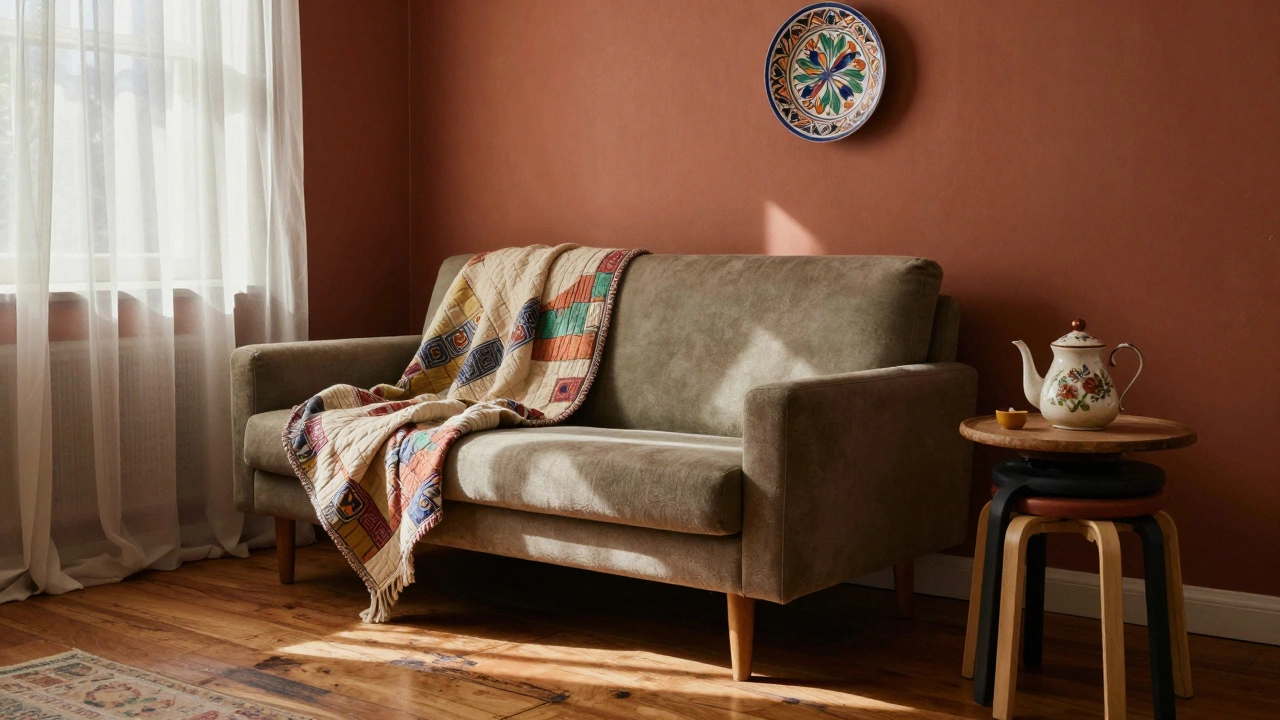
Most people think uniqueness means buying something new. But the most distinctive homes are built from what’s already there. Look around. That chipped teapot you got from your grandma’s garage sale? Keep it. That faded quilt from your aunt’s attic? Drape it over the back of your sofa. That hand-painted plate from your trip to Oaxaca? Hang it on the wall.
These aren’t just objects. They’re memories with texture. A 1970s brass lamp with a cracked base? Don’t throw it out. Sand it down, rewire it, and give it a fresh coat of matte black paint. Now it’s yours. No one else has it. No store sells it. That’s the point.
Color doesn’t have to be trendy
Beige, gray, and white are safe. But they’re also silent. Unique spaces have character - and character comes from color that means something to you.
Think about the colors you’re drawn to when you’re not thinking about design. Do you love the deep green of the fig tree outside your window? Paint a feature wall that shade. Do you remember your childhood kitchen with walls the color of burnt orange? Bring it back. Use it on the inside of a bookshelf. Paint the underside of your dining table. No one will notice unless you want them to - but you’ll see it every day, and it’ll make you smile.
In Durban, where the ocean meets the hills, you’ll find homes with walls in indigo, rust, and terracotta. Not because it’s ‘in,’ but because those colors belong here. Let your environment guide you. Your home should feel like it grew out of the ground it sits on.
Make things by hand - even if you’re bad at it
Handmade doesn’t mean perfect. It means personal.
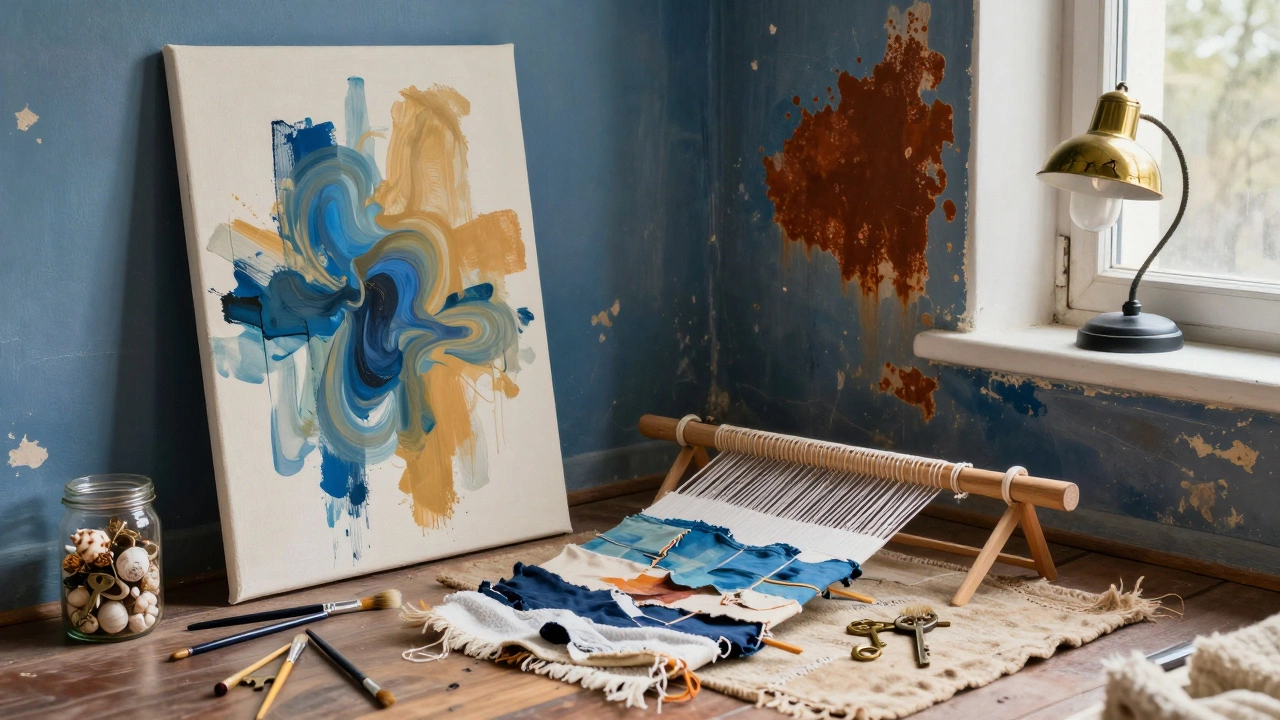
Try this: Grab a canvas, some acrylic paint, and a brush. Don’t plan it. Don’t look at Pinterest. Just close your eyes and paint what you feel. Maybe it’s a swirl of blue that reminds you of the sea. Maybe it’s a jagged line that looks like the road to your childhood school. Hang it up. It doesn’t have to be gallery-worthy. It has to be yours.
Or try weaving. Buy a simple loom from a local market. Use old t-shirts cut into strips. Weave a rug. It’ll be lopsided. The edges might curl. But when you walk on it, you’ll remember the afternoon you spent listening to jazz, fingers stained with dye, laughing because it looked nothing like what you imagined.
That’s the magic. Machines make copies. Humans make stories.
Break the rules of layout
Interior designers will tell you to hang art at eye level. To center your rug under your sofa. To match your side tables. Ignore them.
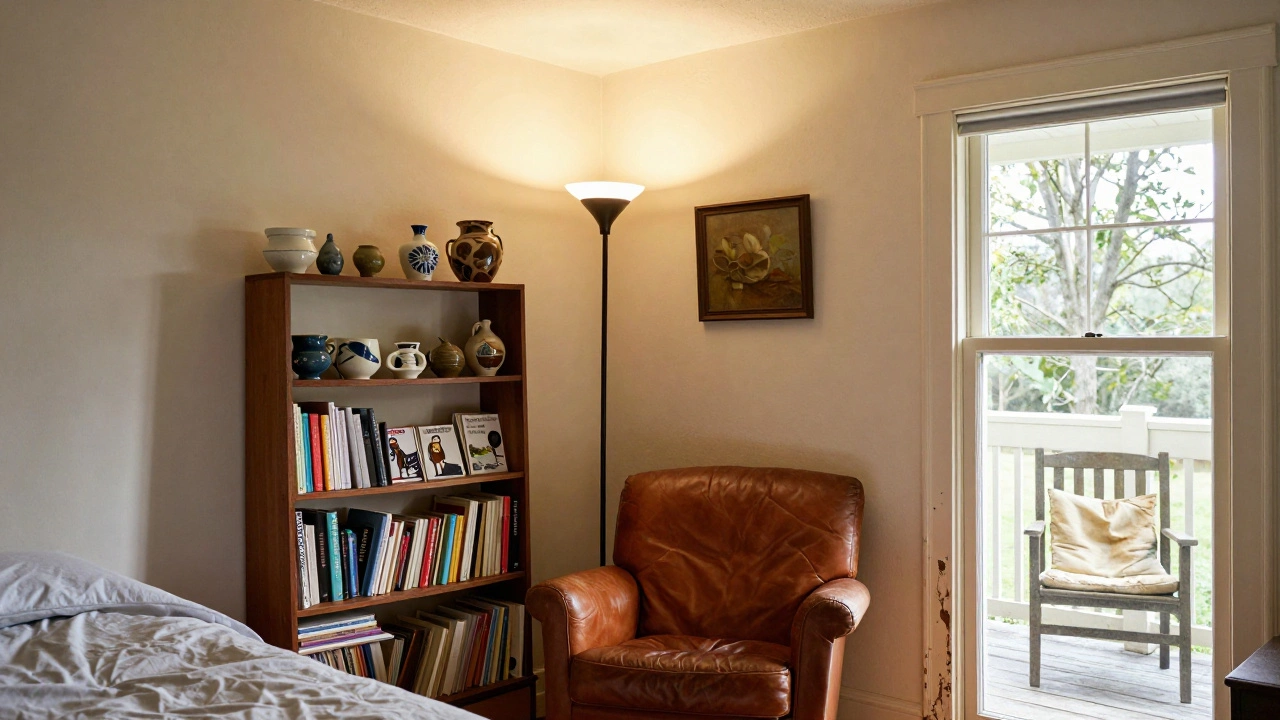
Hang a large mirror low, so it reflects the ceiling. Stack three mismatched stools by the window as a side table. Put a floor lamp in the corner of your bedroom, pointing at the ceiling. Place your coffee table sideways so it faces the bookshelf instead of the TV.
These aren’t mistakes. They’re invitations. They make people pause. They make the space feel alive. A perfectly arranged room feels staged. A slightly off-kilter one feels lived-in. And that’s where personality hides.
Collect, don’t decorate
Don’t buy decor. Collect it.
Find one small thing you love - seashells, vintage keys, old postcards, dried flowers, handmade ceramics - and gather them over time. Put them in a glass jar on your windowsill. Arrange them on a shelf. Frame a few. Let them grow. A single shell from your first beach walk. A key from a friend’s old house. A postcard from a train ride you took alone.
These aren’t accessories. They’re anchors. They tie your space to your life. When someone asks, “Where did you get that?” you’ll have a story. And that’s what makes it unique.
Let things age naturally
Worn wood. Faded fabric. Scratched metal. These aren’t flaws. They’re evidence.
Don’t polish your wooden table until it looks brand new. Let the sun fade the cushion on your porch chair. Let your leather armchair develop creases where you sit. Let the paint chip on the doorframe where your kids used to run through.
Time adds depth. A new sofa looks expensive. A 20-year-old one with a missing button and a smell of tea and old books? That’s home.
In South Africa, you’ll see old farmhouses with walls painted in layers - each coat a different decade. No one repainted them to match. They just kept adding. That’s authenticity.
Use local materials and makers
There’s something powerful about supporting the hands that live nearby. Visit a craft fair. Talk to the potter who makes mugs from river clay. Buy a woven basket from the woman who sells them at the market on Saturdays. Get a lamp made from recycled bottle caps by a local artist.
These pieces carry the rhythm of your city. They’re made with local rhythms, local weather, local stories. They don’t come in a box from a warehouse. They come from a person. And that changes everything.
When you bring something like that into your home, you’re not just buying decor. You’re building community.
Leave space for change
Unique doesn’t mean fixed. Your home should evolve as you do.
Don’t lock yourself into a ‘style.’ One year you love bold patterns. The next, you crave minimalism. That’s okay. Swap out the throw pillows. Move the rug. Paint one wall a new color. Let your space breathe.
Think of your home like a journal. You don’t write the same entry every day. Some days are messy. Some are quiet. Some are full of color. Your home should feel the same.
The goal isn’t to have a perfect room. It’s to have a room that feels like it knows you.