Style Matcher: Find Your Flattering Fits
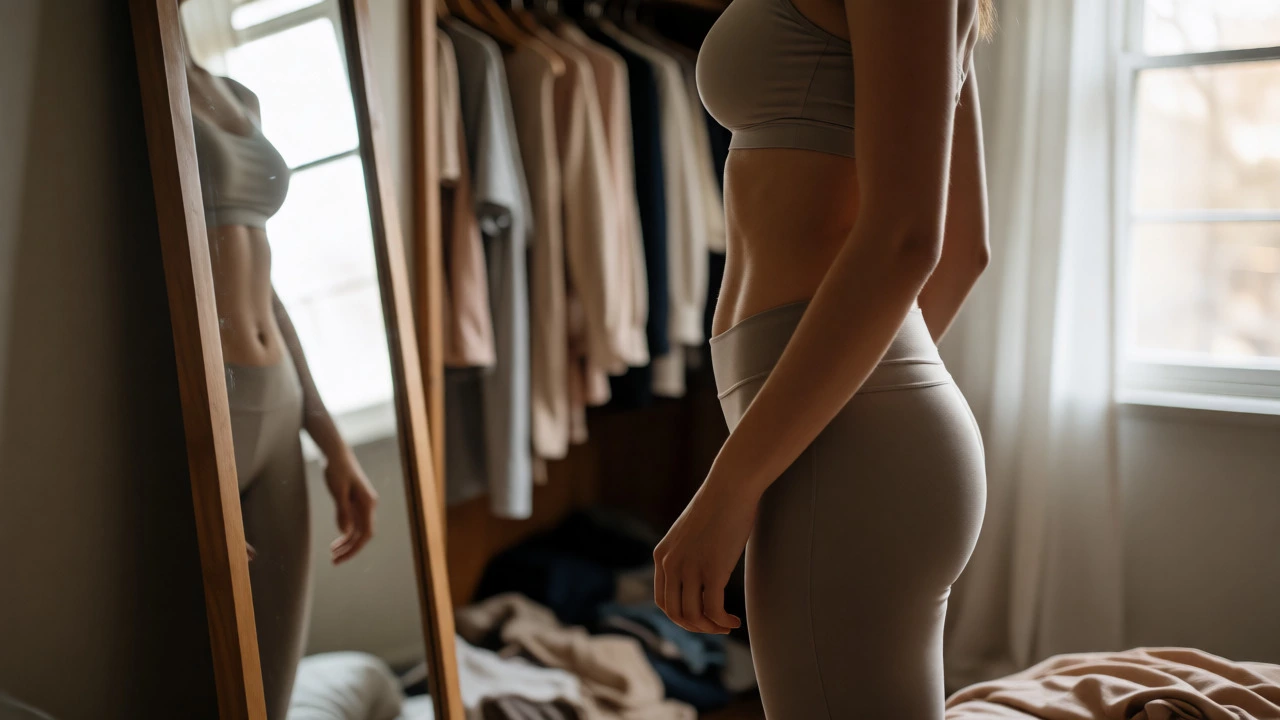
Stand in front of a mirror in fitted clothes. Compare your shoulder, waist, and hip measurements visually.
Key Characteristic:
✅ Best Fits & Silhouettes
❌ Styles to Avoid
💡 Pro Styling Tip
Fabric & Color Quick Check
Select your body shape on the left to see personalized clothing recommendations.
You’ve probably stood in front of your closet, surrounded by clothes you technically own but never wear. Why? Because they don’t look good on you. It’s not about being thin or tall; it’s about understanding how fabric interacts with your specific frame. Most people buy clothes based on trends or what looked great on a mannequin, only to find the garment fights their body when they put it on. The secret isn’t expensive tailoring-it’s knowing your shape, choosing the right fabrics, and sticking to a color palette that makes your skin glow rather than fade.
| Body Shape | Key Characteristic | Best Fits | Avoid |
|---|---|---|---|
| Rectangle | Straight waist, shoulders equal hips | Wrap dresses, belted coats, peplum tops | Shapeless shifts, boxy t-shirts |
| Triangle (Pear) | Hips wider than shoulders | A-line skirts, boat necks, structured jackets | Tapered pants, heavy hip pockets |
| Inverted Triangle | Shoulders wider than hips | V-necks, wide-leg trousers, flared skirts | Padded shoulders, high necklines |
| Hourglass | Balanced bust/hips, defined waist | Fitted styles, wrap tops, pencil skirts | Oversized layers that hide curves |
| Round (Apple) | Weight carried in midsection | Empire waists, V-necks, dark solids | Thin knits, tight waistbands |
Know Your Shape Before You Shop
Stop guessing. Stand in front of a full-length mirror in fitted undergarments or leggings and a tank top. Look at where your weight distributes. Are your shoulders wider than your hips? Do you have a defined waist? This isn’t about judging yourself; it’s about data collection. If you’re an hourglass, a body type characterized by a narrow waist and balanced bust and hips, hiding in oversized shirts wastes your best feature. If you’re a rectangle, adding structure at the waist creates curves where there are none. Once you identify your shape, shopping becomes less about "is this pretty?" and more about "does this flatter my silhouette?"
The Fit Rules That Matter Most
Size numbers are lies. A size 10 in one brand is a size 14 in another. Always judge by fit, not the tag. Here are three non-negotiable checks before you buy anything:
- The Shoulder Seam: For tops and jackets, the seam should sit exactly at the edge of your shoulder bone. If it hangs off, you look sloppy. If it digs in, you look cramped.
- The Crotch Point: On pants, the crotch seam must sit close to your body without pulling. If it sags, the rise is too long, making legs look shorter. If it cuts in, it’s too short.
- The Button Gap: When you button a shirt, check for horizontal pulls across the chest or stomach. If the fabric strains, go up a size. No amount of confidence fixes a gaping buttonhole.
Remember, clothes are meant to skim the body, not cling to every curve or swallow you whole. If something fits perfectly everywhere except one spot, ask yourself: can I tailor this? If yes, buy it. If no, walk away.
Fabric Is More Important Than Style
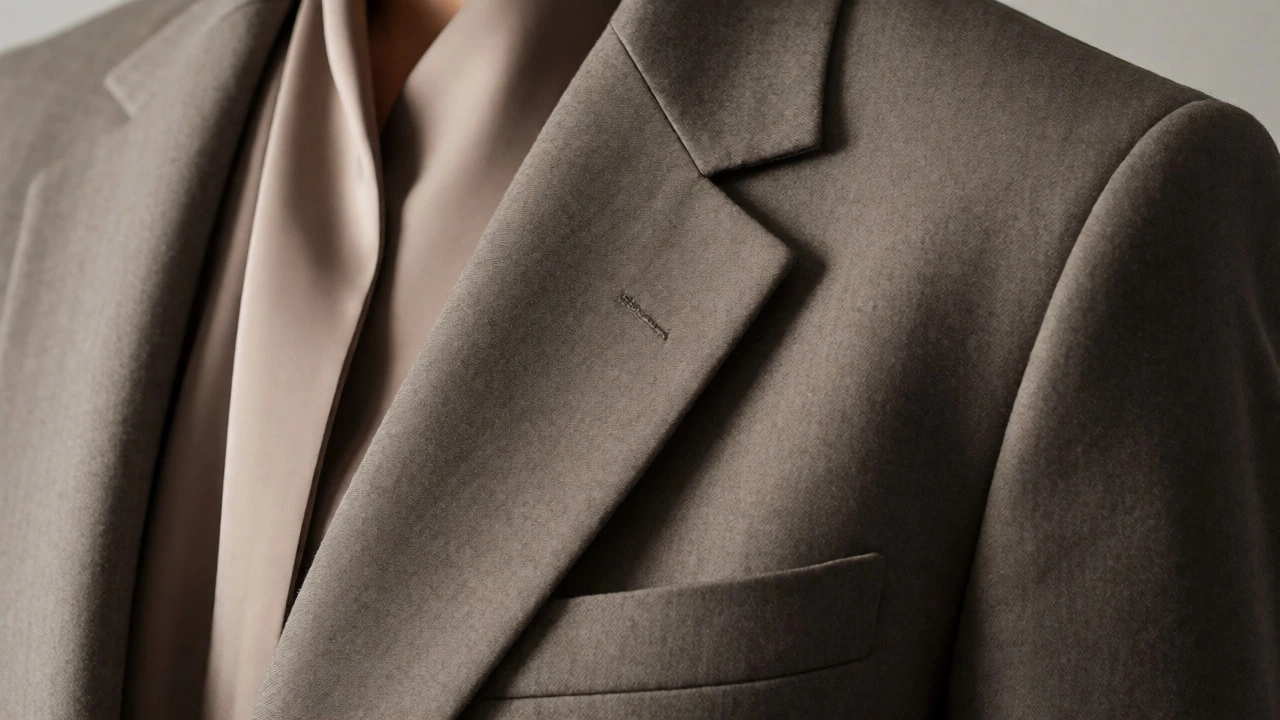
You can have the perfect cut, but if the fabric is wrong, the outfit fails. Cheap synthetics like polyester often trap heat and create static, which ruins the drape. Instead, look for natural fibers like cotton, a soft, breathable fiber derived from cotton plants, linen, or wool blends. These materials breathe better and hang more naturally.
Consider your lifestyle. If you live in Durban’s humid climate, heavy denim might feel suffocating. Opt for lighter weaves. Conversely, if you work in air-conditioned offices, a thin blouse might need a structured blazer to maintain its shape. Test the fabric by scrunching it in your hand for ten seconds. If it wrinkles instantly into a mess, it will look terrible by lunchtime. If it springs back, it’s durable enough for daily wear.
Find Your Color Palette
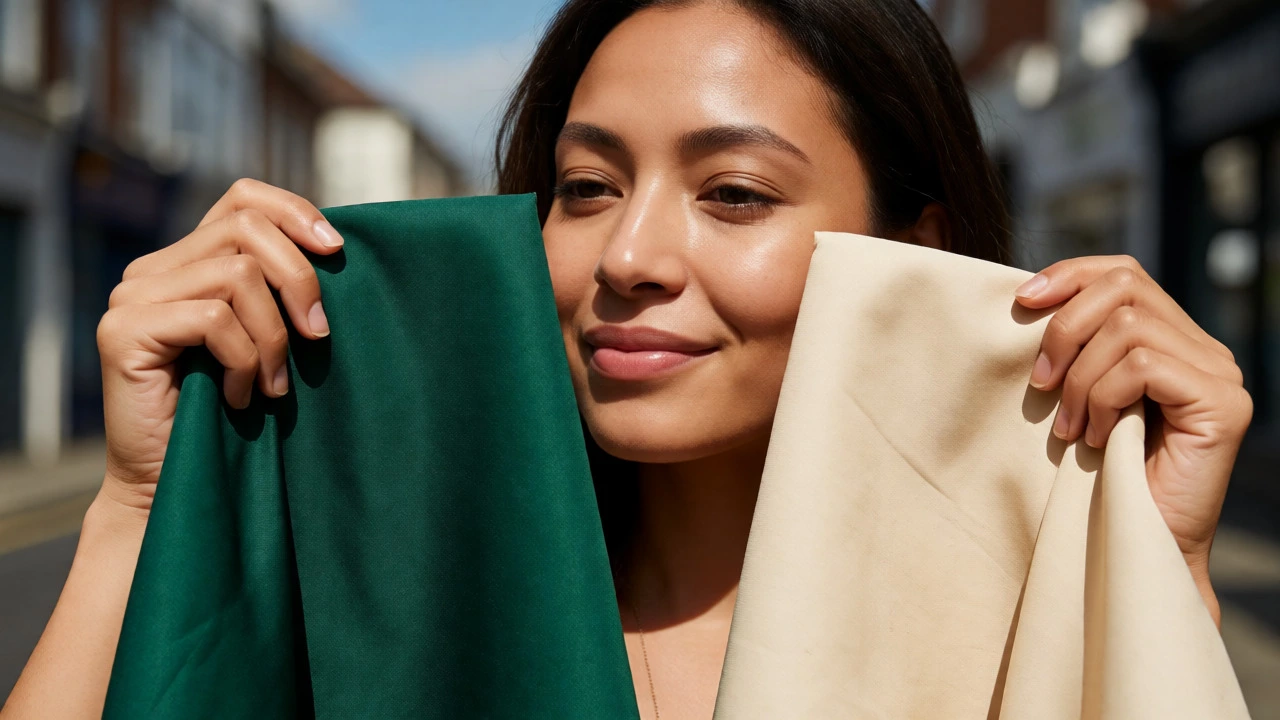
Wearing the wrong color washes you out. Wearing the right one makes you look healthy and alert. You don’t need a professional consultant to figure this out. Take two white pieces of paper-one pure bright white, one creamy off-white. Hold them near your face in natural daylight. Which one makes your skin look clearer? If the bright white works, you likely have cool undertones (pink, blue). Stick to jewel tones like emerald, sapphire, and stark black. If the cream looks better, you have warm undertones (yellow, golden). Earth tones like olive, rust, and camel will make you glow.
Once you know your undertone, build a capsule wardrobe around colors that complement each other. Mixing prints is hard; mixing colors is easy. Stick to neutrals for your base (pants, skirts, outerwear) and use your best colors for tops and accessories. This ensures everything matches, reducing decision fatigue in the morning.
Proportion Play
Fashion is largely about balancing proportions. If you wear a voluminous top, pair it with slim bottoms. If you wear wide-leg trousers, choose a fitted top. This rule prevents you from looking like a shapeless blob. For example, if you have broad shoulders, avoid bulky sweaters on top. Instead, wear a structured jacket with a V-neck to elongate the torso. If you have short legs, high-waisted pants paired with heels extend the line visually. Experiment with these ratios until you see what creates harmony for your height and build.
The Try-On Checklist
Never buy clothes without moving in them. Sit down. Raise your arms. Bend over. Does the shirt ride up? Do the pants dig into your thighs? Does the skirt split? Comfort equals confidence. If you’re constantly adjusting your clothes, they aren’t working for you. Also, check the length. Hemming pants costs little money compared to buying a new pair that doesn’t fit. But remember: tailoring adds cost. Factor that into your budget. Sometimes, a $50 dress plus $20 hemming is cheaper than a $100 dress that needs no alterations but still doesn’t fit right.
Common Mistakes to Avoid
- Buying for the "Ideal" Body: Stop waiting to lose ten pounds to wear that crop top. Buy clothes that fit your body today.
- Ignoring Undergarments: Bad bras ruin good tops. Invest in proper support first.
- Following Trends Blindly: Just because oversized blazers are popular doesn’t mean they suit your petite frame. Adapt trends to your shape.
Ultimately, picking clothes that look good is a skill, not magic. It requires honesty about your body, knowledge of fabrics, and patience during the fitting process. Start small. Audit your current wardrobe. Remove items that don’t fit or flatter. Then, shop with intention, using the guidelines above. You’ll stop wasting money on clothes that gather dust and start building a closet that makes getting dressed effortless.
Do I really need to know my body shape?
Yes, but loosely. Knowing whether you carry weight in your middle, hips, or chest helps you choose silhouettes that balance your proportions. It prevents you from buying styles that exaggerate areas you’d prefer to minimize or hide features you want to highlight.
What is the most important factor in clothing fit?
The shoulders and the waist. For tops, correct shoulder seams ensure the garment hangs correctly. For bottoms, the waistband determines comfort and proportion. If these two points fit well, minor adjustments elsewhere are easy to fix with tailoring.
How do I tell if a color suits me?
Check your skin tone in natural light. Hold different colored fabrics near your face. If a color makes your eyes brighter and skin look even, it suits you. If it casts shadows under your eyes or makes you look yellow/greyish, move on. Warm undertones generally suit earth tones; cool undertones suit blues and purples.
Is it worth altering clothes?
Absolutely, if the alteration cost is less than 20-30% of the garment's price. Hemming pants or taking in a waist can transform a mediocre purchase into a favorite staple. However, avoid altering complex garments like lined jackets unless necessary, as labor costs can exceed the item's value.
Why do clothes look different on me than on models?
Models are typically very tall and thin, with specific proportions that don't match the average person. Additionally, retailers often pin clothes to fit the model, creating an illusion of fit that doesn't exist for standard sizes. Always rely on your own measurements and try-on experience, not the photo.