
Luxury Color & Style Calculator
Outfit Configuration
Analysis Results
Select your outfit details and click "Calculate" to see how your choices align with luxury styling principles.
Have you ever walked into a room and instantly noticed someone who looked like they belonged in a high-end boardroom or a private yacht club, even though their outfit was simple? It wasn’t the logo on their shirt or the brand name on their shoes. It was the color. There is a specific psychological trigger associated with certain hues that signals wealth, status, and refinement. But what exactly are those colors, and why do they work?
The short answer is that neutral colors make you look rich. However, it is not just about picking beige from a rack. True luxury styling relies on a sophisticated understanding of shade depth, texture, and how colors interact with your natural coloring. We will break down the exact palette that screams "expensive" and explain how to wear it without looking boring.
The Power of Neutrals: Why Bland Isn't Bad
When we think of "rich," we often think of gold, jewels, and bright flashes of color. Yet, in the world of high fashion and corporate power dressing, the most powerful people wear muted tones. This phenomenon is known as "quiet luxury." The idea is that if you have to shout about your wealth with loud logos or neon colors, you might be insecure. If you can afford to wear simple, perfectly tailored clothes in subtle shades, you project confidence.
Neutrals act as a canvas for quality. When you wear a bright red dress, the eye focuses on the brightness. When you wear a deep burgundy or a soft cream, the eye notices the fabric’s weave, the cut of the garment, and the fit. High-quality materials-like cashmere, silk, and fine wool-look best in these understated tones because the light reflects off them in a way that highlights their texture.
- Camel: Associated with classic trench coats and heritage brands. It suggests warmth and tradition.
- Charcoal Gray: A sharper, more modern alternative to black. It looks professional yet softer.
- Ivory/Cream: More elegant than stark white. It feels organic and expensive.
- Navy Blue: The ultimate authority color. It conveys trust and stability.
To pull this off, avoid muddy tones. Your neutrals should be crisp. A dirty gray looks like an old sweatshirt; a charcoal gray looks like a tailored suit. The difference lies in the saturation and the care taken in choosing the shade.
Black: The Double-Edged Sword
Black is the most common color in wardrobes, but it is also the most misunderstood when trying to look wealthy. On one hand, little black dresses and tuxedos are staples of formal wear. On the other, all-black outfits can sometimes read as goth, utilitarian, or simply tired if not styled correctly.
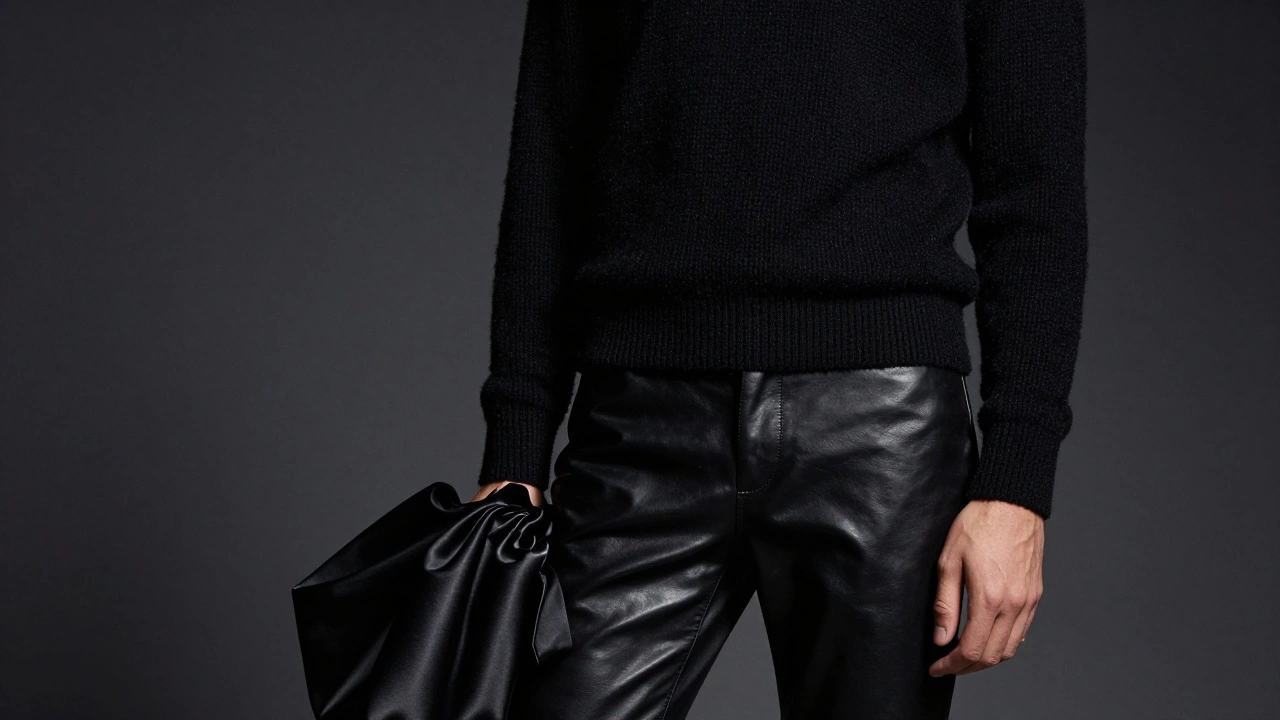
To make black look expensive, you must play with texture. If you wear a black cotton t-shirt with black jeans, it looks casual. If you wear a black silk blouse with black leather trousers, it looks luxurious. The key is contrast within the same color family. Mix matte fabrics with shiny ones. Pair rough wool with smooth satin. This variation keeps the eye engaged and signals that you have put thought into your ensemble.
Also, consider the undertone of your black. Pure jet black can be harsh against lighter skin tones, washing you out. Opt for blacks with slight blue or brown undertones depending on your season. This small adjustment makes the color feel richer and more integrated with your natural appearance.
Jewel Tones: For Those Who Want Pop
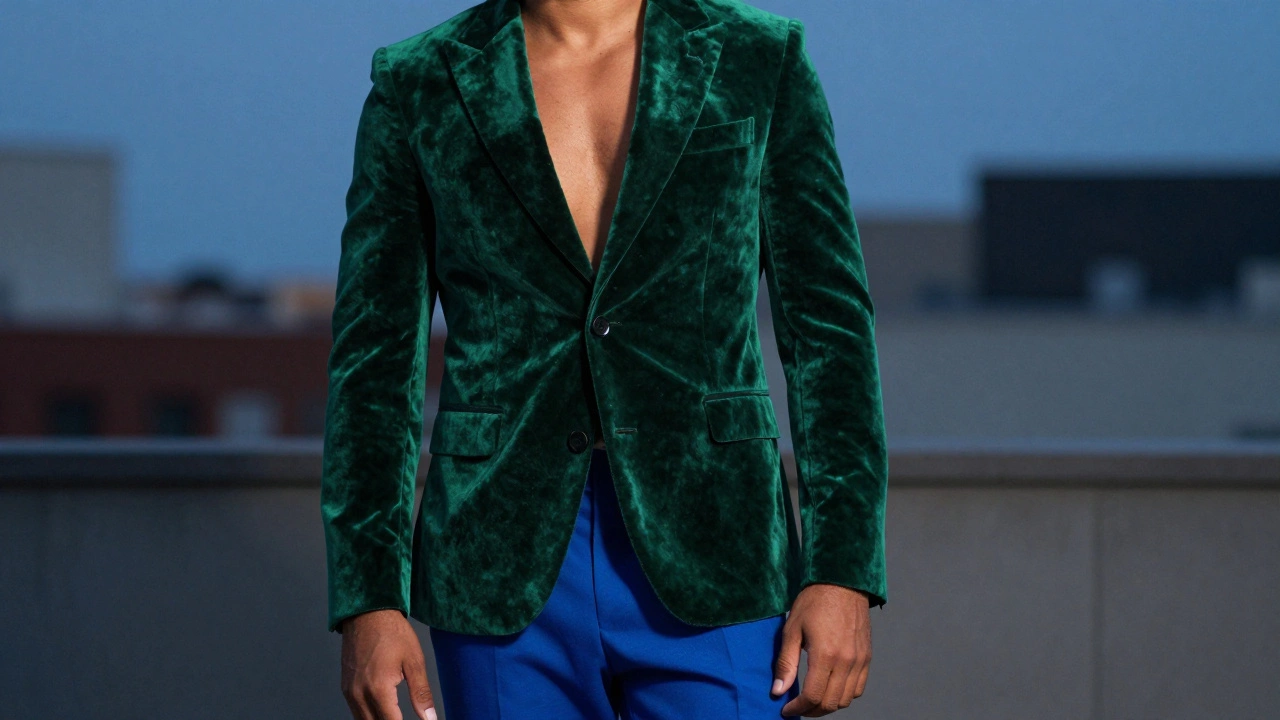
If neutrals feel too safe for you, jewel tones are the next best step toward looking affluent. These are deep, saturated colors that mimic precious gemstones. They command attention without being garish. Think of emerald green, sapphire blue, amethyst purple, and ruby red.
Why do these work? Because they are difficult to dye well. Cheap clothing often uses bright, primary colors that fade quickly. Deep jewel tones require higher-quality dyes and fabrics to maintain their richness. When you wear a deep emerald coat, it implies that the garment is substantial and well-made. Plus, these colors tend to flatter a wide range of skin tones by providing a strong contrast that brightens the face.
Here is a quick guide to choosing the right jewel tone:
| Skin Undertone | Best Jewel Tone | Effect |
|---|---|---|
| Cool (Pink/Blue) | Sapphire Blue, Emerald Green | Enhances clarity and brightness |
| Warm (Yellow/Gold) | Ruby Red, Amber, Deep Purple | Adds warmth and vitality |
| Neutral | All Jewel Tones | Versatile and striking |
Avoid pastels if you want to project power. Pastels are lovely for spring brunches, but they rarely convey authority or wealth. Stick to the deep end of the spectrum.
The Importance of Monochromatic Dressing
One of the easiest ways to look expensive is to wear one color head-to-toe. This technique, called monochromatic dressing, elongates the body and creates a streamlined silhouette. It forces the viewer to focus on the shape and structure of your outfit rather than a chaotic mix of patterns.
Imagine wearing a head-to-toe camel outfit. A camel sweater, camel trousers, and camel boots. It sounds daunting, but it is incredibly chic. To make it work, vary the textures. Use a knit sweater, tailored wool pants, and suede boots. The different materials catch the light differently, adding depth to the single color.
Monochromatic looks also hide the lines between garments, making you appear taller and slimmer. This is a trick used by many celebrities and politicians to create a commanding presence. It says, "I am intentional about my appearance," which is a hallmark of confident, successful individuals.
Colors to Avoid (Or How to Wear Them Safely)
Not every color projects wealth. In fact, some colors can inadvertently signal the opposite if not handled carefully. Bright neon colors, for instance, are often associated with sportswear or fast fashion. They can look cheap because they are loud and distracting. If you love bright colors, limit them to accessories-a bright bag or scarf-rather than full outfits.
Brown is another tricky color. While earth tones are trendy, dark chocolate brown can look dull if it lacks sheen. Light tan or khaki can look like uniform wear. If you wear brown, aim for rich mahogany or deep espresso shades, and pair them with crisp whites or creams to lift the look.
Patterned clothing is harder to master. Large, busy prints can look dated or cluttered. Small, subtle patterns like pinstripes, herringbone, or faint checks are safer bets. They add visual interest without overwhelming the eye. The key is subtlety. If you can’t tell what the pattern is from ten feet away, it’s probably the right scale.
Fabric and Fit: The Real Secret
You can wear the perfect shade of navy, but if the fabric is thin and wrinkled, you won’t look rich. Color is only half the equation. The material matters just as much. Natural fibers like linen, cotton, wool, and silk have a natural luster that synthetic fabrics struggle to replicate. Polyester and nylon often have a plastic-like shine that looks cheap under indoor lighting.
Fit is the other half. A $50 shirt that fits perfectly will look better than a $500 shirt that is too loose or too tight. Wealthy-looking clothes skim the body without clinging or bagging. They allow for movement and breathe with you. Tailoring is your best friend. Spending a small amount to alter the hem of pants or take in the waist of a jacket transforms a generic piece into a custom one.
Maintain your clothes. Stains, pills, and wrinkles are the enemies of luxury. A crisp, clean neutral outfit always looks more expensive than a stained colorful one. Invest in a good steamer and learn basic stain removal techniques. Presentation is everything.
Building a Capsule Wardrobe for Luxury Appeal
Instead of buying new trendy pieces every season, build a capsule wardrobe based on these rich-looking colors. A capsule wardrobe consists of versatile, high-quality pieces that mix and match easily. This approach saves money in the long run and ensures you always have something appropriate to wear.
Start with basics:
- A well-fitted navy blazer
- A white or ivory button-down shirt
- Charcoal gray trousers
- A camel coat
- Black leather shoes
From here, add pieces in jewel tones or varied neutrals. The goal is cohesion. When your closet is organized by color, getting dressed becomes easier, and your outfits naturally look more curated. You stop scrambling for matches and start creating harmonious ensembles.
Remember, looking rich isn’t about spending thousands of dollars. It’s about making smart choices. Choosing the right colors, investing in good fabrics, and ensuring proper fit will transform your appearance more than any designer logo ever could.
Does wearing black make you look thinner?
Yes, black has a slimming effect because it absorbs light and minimizes shadows. However, to look "rich" in black, you must vary textures to avoid looking flat or somber. Combine matte and shiny fabrics for a luxurious effect.
Can I wear bright colors and still look expensive?
It is challenging. Bright neons often signal fast fashion. If you want to wear color, opt for deep jewel tones like emerald, sapphire, or burgundy. These shades convey sophistication and quality. Keep bright colors to accessories if you prefer them.
What is the difference between quiet luxury and regular luxury?
Regular luxury often features visible logos and bold branding to signal status. Quiet luxury focuses on exceptional materials, perfect tailoring, and understated neutral colors. It relies on the wearer's confidence and the garment's quality rather than brand recognition.
Which neutral color is most versatile?
Navy blue is widely considered the most versatile neutral. It pairs well with almost every other color, including blacks, whites, grays, and pastels. It is professional enough for work but stylish enough for evening events.
How do I know if a neutral color suits my skin tone?
Look at your veins. If they appear blue or purple, you likely have cool undertones and should stick to pure whites, charcoals, and blues. If they appear green, you have warm undertones and should choose creams, camels, and olive greens. If you can't tell, you are neutral and can wear most shades.