Beauty Retailer: Where to Shop, What to Look For, and What Really Works
When you hear beauty retailer, a store or online platform that sells skincare, makeup, haircare, or fragrance products. Also known as cosmetics vendor, it can be anything from a drugstore shelf to a luxury boutique online. But not every beauty retailer has your best interests in mind. Some push overpriced gimmicks. Others hide harmful ingredients behind buzzwords like "natural" or "clean." The real question isn’t where you shop—it’s how you know what to buy.
Look at the skincare brands, companies that formulate and sell products designed to improve skin health. A few have transparent ingredient lists, third-party testing, and real clinical data. Most don’t. You’ll find the same five actives—hyaluronic acid, niacinamide, retinol, vitamin C, and ceramides—showing up in both budget and high-end lines. The difference? Concentration, packaging, and whether the brand actually tells you how much of each ingredient is in the bottle. A clean beauty, a category of beauty products marketed as free from harmful or toxic chemicals label means nothing unless you check the full ingredient list. Brands can say "paraben-free" while still using worse alternatives. The FTC doesn’t regulate "clean"—so you’re the detective.
Then there’s the makeup stores, retailers specializing in color cosmetics like foundation, lipstick, and eyeshadow. Big names dominate the shelves, but small indie brands are quietly changing the game with refillable packaging, inclusive shades, and formulas that don’t clog pores. The trick? Don’t chase viral trends. If a foundation claims to "transform your skin in 24 hours," it’s probably full of silicones that just blur imperfections temporarily. Real results come from consistency, not magic.
What you’re looking for in a beauty retailer isn’t a name you recognize—it’s a brand that answers your questions. Can you find the full ingredient list? Are there independent reviews from people with your skin type? Does the company disclose where and how products are made? The best retailers don’t just sell products—they educate you on what you’re putting on your skin. That’s why you’ll find posts here about what actually works in a 7-day glow routine, why toners might be unnecessary, and how to spot greenwashing in eco-friendly claims. You won’t find fluff. Just real talk on what delivers, what doesn’t, and who’s trying to sell you something you don’t need.
Below, you’ll find real-tested advice from people who’ve tried the products, read the labels, and walked away from the hype. Whether you’re building a simple routine or just trying to avoid another wasted purchase, these posts cut through the noise.
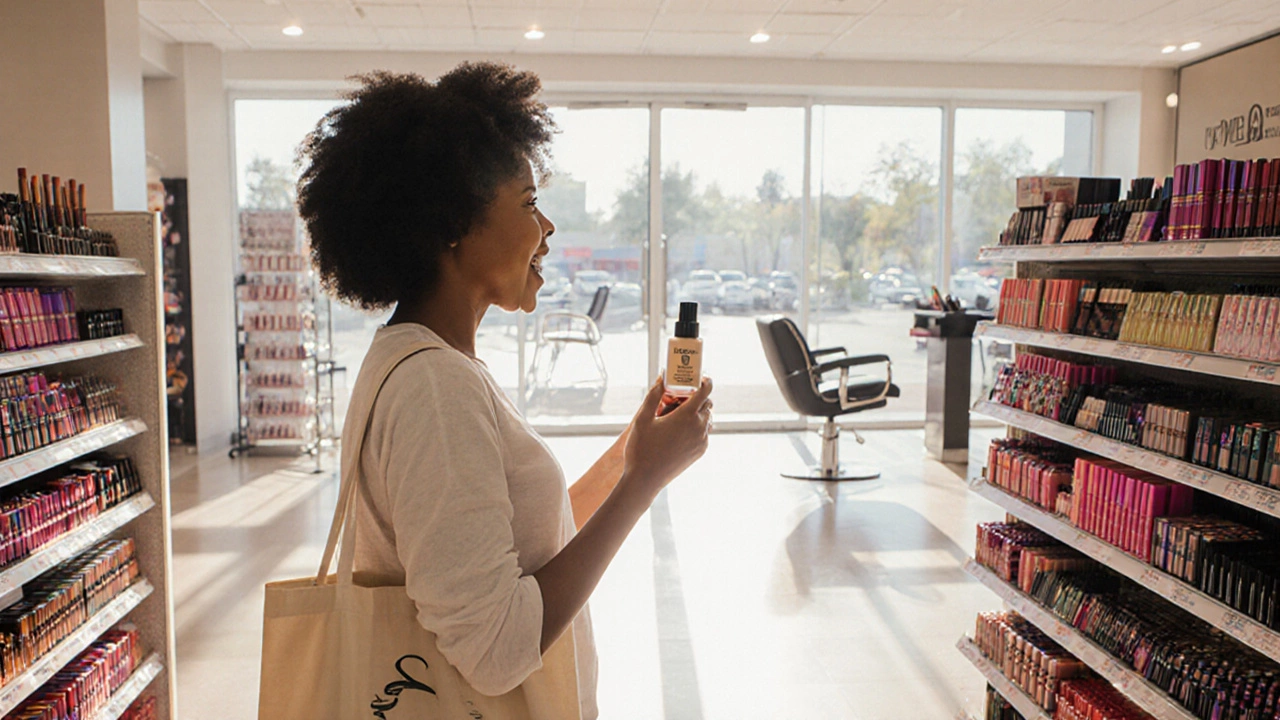
Ulta vs Sephora Makeup: Which Retailer Wins?
Compare Ulta Beauty and Sephora on price, brands, loyalty, store vibe, online tools, and returns to decide which makeup retailer fits your style and budget.