Circular Fashion: What It Is and Why It Matters
When we talk about circular fashion, a system where clothing is designed, used, and recycled to keep materials in use as long as possible. Also known as closed-loop fashion, it’s the opposite of buying something once and tossing it after a few wears. This isn’t just a trend—it’s a fix for a broken system. The fashion industry produces over 100 billion garments a year, and nearly 60% end up in landfills or incinerators within a year. Circular fashion flips that script by treating clothes like resources, not trash.
It’s not just about buying secondhand, though that’s a big part of it. thrifting, the practice of buying used clothing from charity shops, online resale platforms, or swap events. Also known as secondhand clothing, it’s one of the most accessible ways to join the movement. But circular fashion also includes repairing torn jeans, renting outfits for special events, and brands that take back old items to remake into new ones. It’s about sustainable fashion, a broader approach to reducing environmental harm in clothing production and consumption. Also known as eco-friendly products in fashion, it’s not just about the material—it’s about the whole life cycle. If a brand claims to be sustainable but still churns out 10 new collections a year, they’re not playing by the rules of circularity.
What you’ll find in the articles below isn’t theory—it’s real behavior. People are choosing thrift over fast fashion, learning how to mend their own clothes, and calling out greenwashing when they see it. Some are saving money. Others are reclaiming their identity from brand logos. A few are even starting small businesses from their closet leftovers. You’ll read about what actually works, what doesn’t, and why some "eco-friendly" labels are just marketing noise. There’s no perfect solution, but there are real steps you can take today—whether you’re buying one used jacket or rethinking your whole wardrobe.
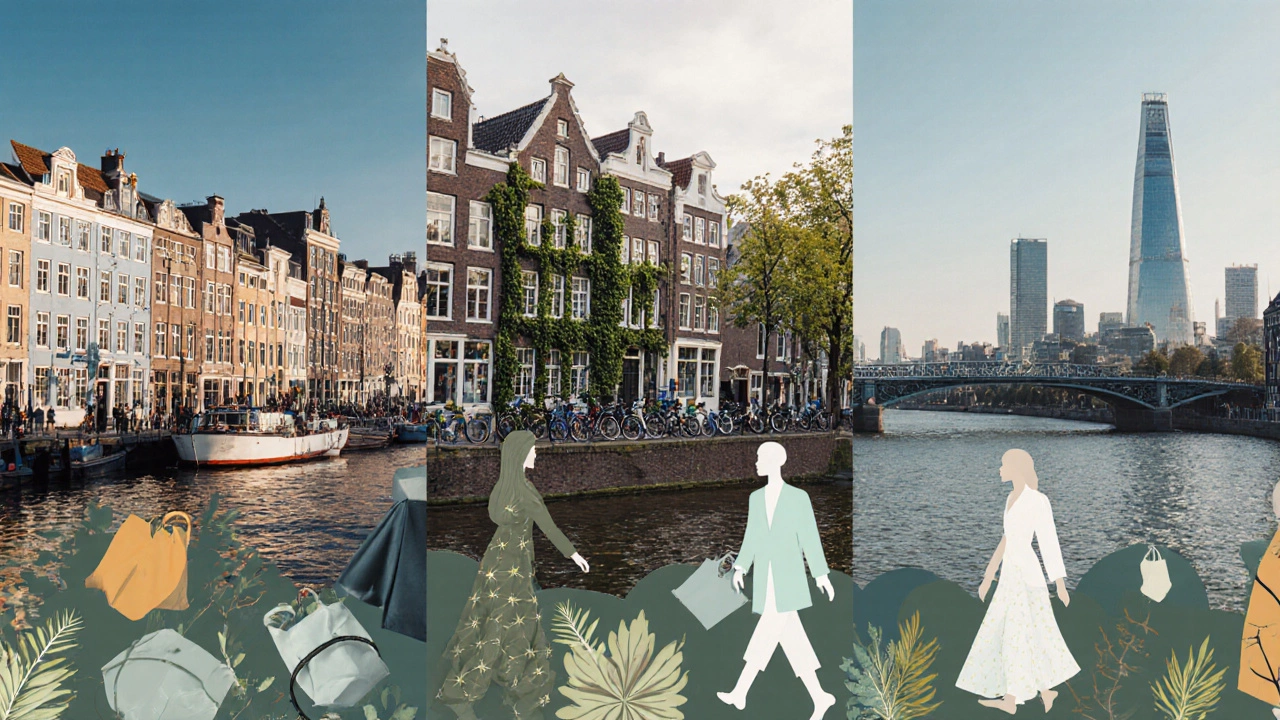
The Capital of Sustainable Fashion: Which City Leads the Eco‑Style Movement?
Explore why Copenhagen, Amsterdam, and London vie for the title of sustainable fashion capital, learn the criteria that define the lead, and discover how you can support the green‑style movement.