Color Replacing White: What It Means and Why It Matters in Modern Style
When we talk about color replacing white, the shift from minimalist neutral palettes to bold, intentional hues in design and fashion. Also known as the end of the all-white aesthetic, it’s not just a trend—it’s a cultural reset in how we express ourselves through space and style. For years, white dominated interiors, clothing, and even branding. It was clean. It was safe. It was everywhere. But now, people are tired of looking at the same sterile tones. They want rooms that feel alive, clothes that reflect mood, and environments that tell a story—not just hide imperfections.
This shift isn’t random. It’s tied to how we live now. After years of working from home, people stopped seeing their houses as showrooms and started seeing them as personal sanctuaries. That means walls don’t need to be white to feel calm—they need to feel right. A deep olive green in the bedroom can be more soothing than plain white. A burnt orange sweater feels more personal than a beige cardigan. Even digital interfaces are catching on: apps and websites are ditching flat white backgrounds for gradients, earthy tones, and warm neutrals that reduce eye strain and feel more human.
And it’s not just about looks. color psychology, how different hues influence emotion and behavior. Also known as the science of hue, it’s why therapists, designers, and even brands are choosing specific colors deliberately. Blue lowers heart rate. Yellow sparks creativity. Terracotta grounds you. These aren’t fluff ideas—they’re backed by real studies in environmental psychology. When you pick a color to replace white, you’re not just decorating. You’re designing how you feel. This is why the shift is spreading beyond interiors. Fashion brands are dropping their endless white capsule collections. Tech companies are rebranding with rich, textured tones. Even food packaging is moving away from sterile white to warm, natural colors that feel more authentic.
What you’ll find in the posts below isn’t a list of paint swatches or outfit ideas. It’s a deeper look at why this change is happening—and how it connects to bigger shifts in how we think about well-being, sustainability, and self-expression. You’ll see how color replacing white ties into mindful living, eco-conscious choices, and the quiet rebellion against perfectionism. Whether you’re repainting a room, updating your wardrobe, or just wondering why your favorite app changed its background, this collection shows you the real reasons behind the change—and how to use color intentionally, not just because it’s trendy.
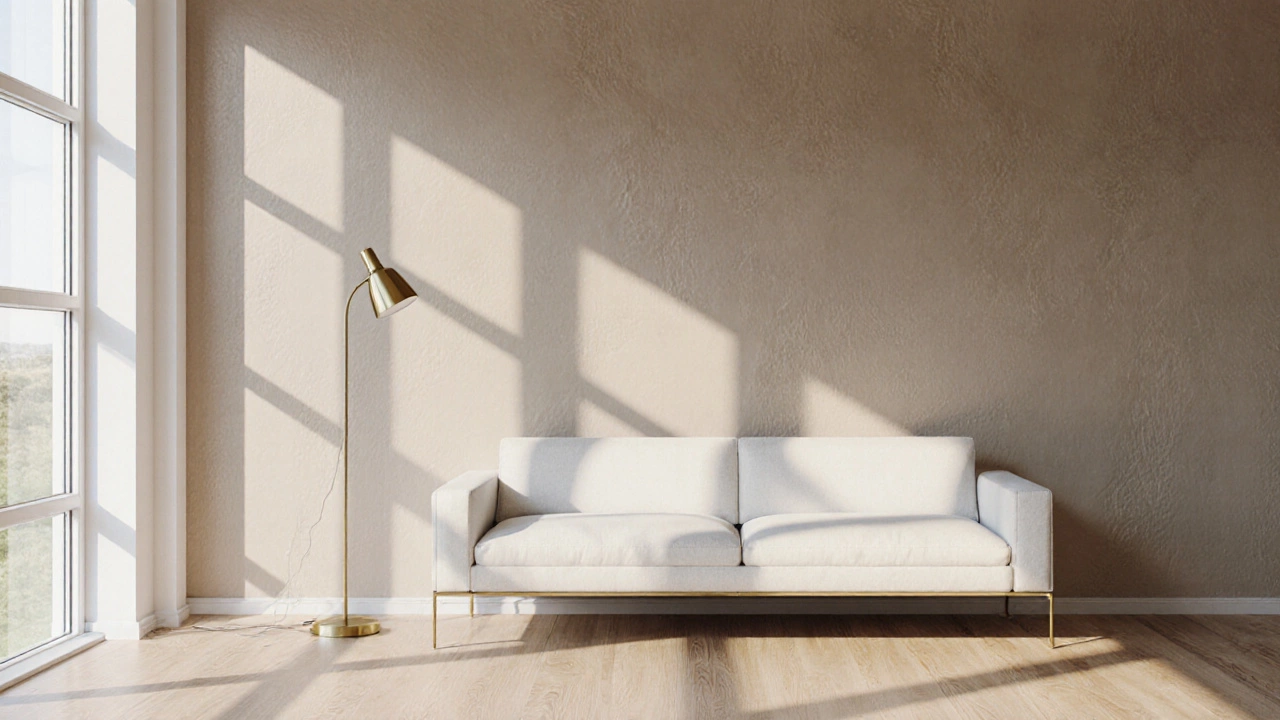
Which Color Is Replacing White in Home Decor? 2025 Trend Explained
Discover why greige is the 2025 home décor trend replacing white, how to choose the right shade, and practical tips for a flawless makeover.