Disadvantages of Self-Help: Why Some Advice Backfires
When you hear self-help, a category of advice aimed at improving personal well-being through books, courses, or routines. Also known as personal development, it’s meant to empower—but too often, it just adds pressure. The problem isn’t the intent. It’s the packaging. Many self-help products promise transformation through simple steps: "Just visualize it," "Say affirmations daily," or "Wake up at 5 a.m. and crush your day." But real life doesn’t run on motivational posters. For people already struggling—with anxiety, burnout, or grief—this kind of advice can feel like blame in disguise. If you’re not "fixed" after reading the book, maybe it’s not you. Maybe it’s the method.
One major downside is toxic positivity, the pressure to stay cheerful no matter what, even when you’re hurting. It shows up in phrases like "Just be grateful!" or "Everything happens for a reason." But suppressing pain doesn’t make it disappear—it just hides it. Therapists know this. In fact, mental health advice, guidance rooted in clinical research and professional practice often warns against oversimplified fixes. Real healing takes time, support, and sometimes professional help—not another checklist. And then there’s the personal growth pitfalls, common traps like comparing yourself to curated success stories or chasing perfection. You scroll through Instagram influencers who "woke up at 4 a.m., meditated, journalized, and launched a six-figure business." Meanwhile, you’re just trying to get out of bed. That gap doesn’t motivate—it isolates.
Self-help works best when it’s practical, not performative. The posts here don’t sell miracles. They show what actually happens when people try to build better routines, manage stress, or find balance without falling for hype. You’ll find real talk about what doesn’t work—like forcing yourself into a 7-day glow-up routine when you’re exhausted, or buying into "magic" meal plans that ignore your body’s real needs. You’ll see how some "life hacks" make things harder, not easier. And you’ll learn why the most helpful advice often comes from quiet, consistent actions—not loud promises.
There’s no shame in needing more than a book. Sometimes, what you need is rest. Or a therapist. Or to stop trying to fix yourself and just be. The articles below don’t push another solution. They just ask: What if the problem isn’t that you’re not trying hard enough—but that the advice you’re following doesn’t fit your life?
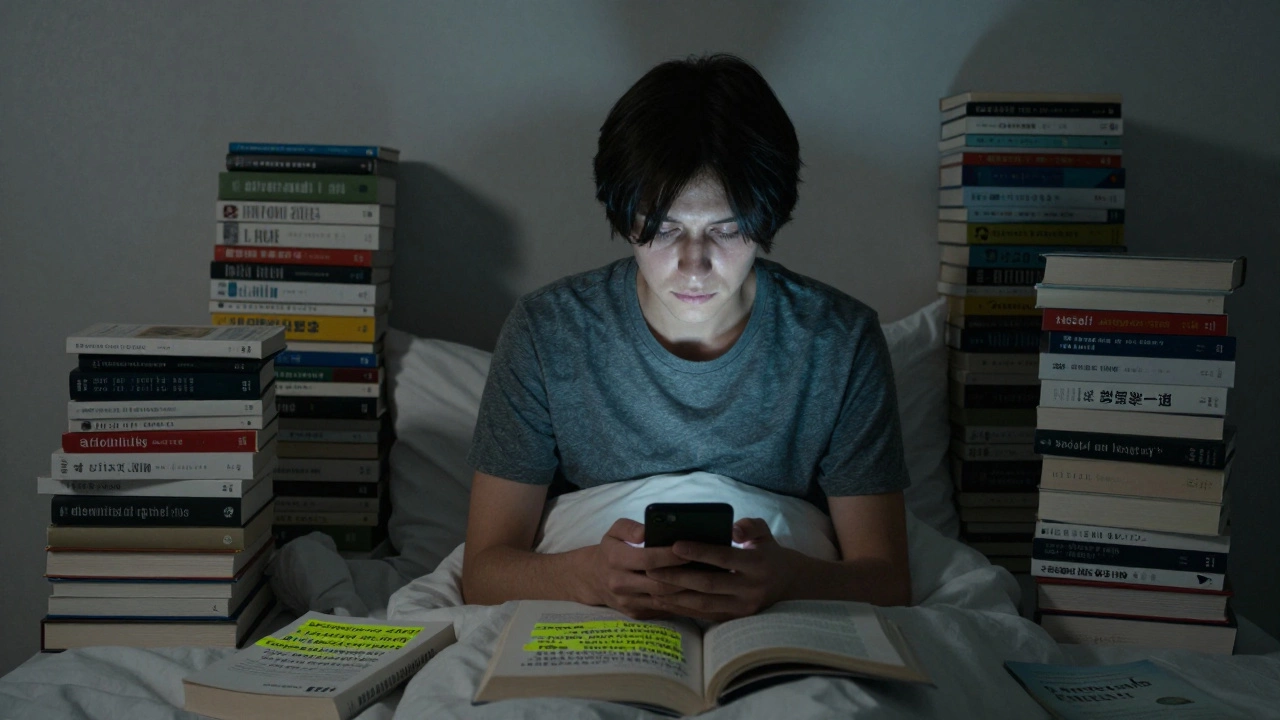
What Is the Disadvantage of Self-Help Books?
Self-help books promise quick fixes, but often ignore real-life barriers like trauma, poverty, and exhaustion. They sell inspiration without systems, making progress feel impossible. Here's what actually works instead.