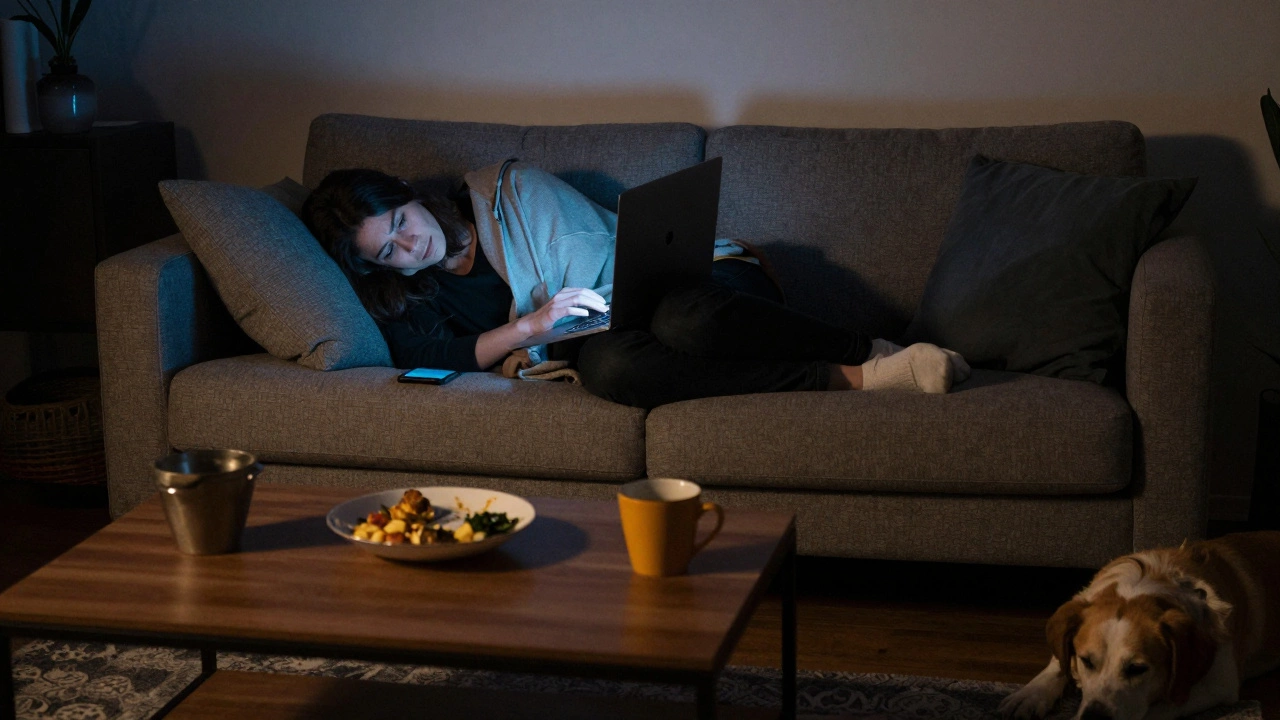
Most people think work-life balance means working less. But that’s not the whole story. You can work 30 hours a week and still have a terrible work-life balance. The real issue isn’t how many hours you put in-it’s whether your work is eating into your life, your peace, or your health. An ineffective work-life balance isn’t about time. It’s about energy.
You’re Always On, Even When You’re Off
Picture this: You left the office at 6 p.m. But your phone buzzes at 8:30 p.m. with a Slack message. You reply. Then you check emails before bed. Then you scroll through work-related LinkedIn posts because ‘you’re staying sharp.’ This isn’t flexibility. This is burnout in disguise. When your job follows you into your shower, your dinner, or your weekend hikes, your balance is broken. You’re not working less-you’re just working in hiding.
A 2024 study from the Harvard Business Review tracked 12,000 remote workers over six months. Those who checked work messages outside of hours were 3.2 times more likely to report chronic fatigue. The number of hours didn’t matter. What mattered was the mental presence. If your brain never clocks out, you’re not resting-you’re just changing locations.
Your Personal Life Feels Like an Afterthought
Do you cancel plans last minute because you’re ‘swamped’? Do you forget birthdays because you were ‘in the zone’? Do you skip doctor appointments because ‘it’s not urgent’? These aren’t isolated incidents. They’re patterns. When your personal life keeps getting pushed to the bottom of the list, your work-life balance is failing. You don’t need more time off-you need to stop treating your relationships, health, and hobbies like optional add-ons.
One woman I spoke with-let’s call her Maria-worked as a project manager. She worked 55 hours a week, took two weeks of vacation a year, and didn’t miss a single deadline. But she hadn’t seen her sister in 18 months. Her dog had anxiety because she was gone so much. She thought she was ‘doing it right’ because she was productive. But productivity without presence is just noise.
You Don’t Have Real Breaks-Just Distractions
Scrolling TikTok for an hour after work? Watching Netflix while eating dinner? That’s not rest. That’s avoidance. An effective break doesn’t come from passive consumption. It comes from doing something that recharges you emotionally or physically. Walking without headphones. Cooking without a podcast. Talking to someone without checking your phone.
A 2025 survey by the American Psychological Association found that 68% of people who said they ‘took breaks’ during the day still felt exhausted. Why? Because their breaks didn’t disconnect them from work. They were just switching screens. Real rest requires a shift in mental state-not just a change in activity.
Your Identity Is Tied to Your Job
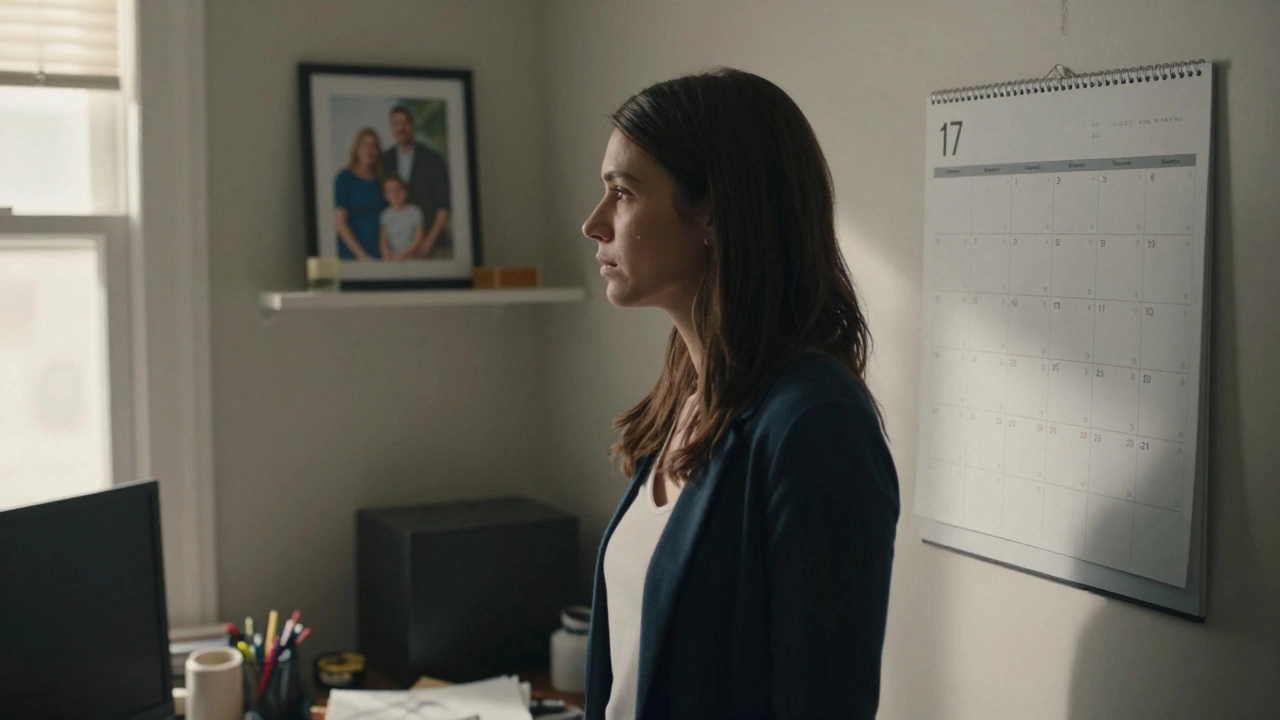
When someone asks, ‘What do you do?’ and you answer, ‘I’m a senior analyst,’ before you say, ‘I’m a mom,’ ‘I’m a painter,’ or ‘I’m a hiker,’ something’s off. When your job becomes your entire identity, you’ve lost the balance. You start measuring your worth by your output. A missed deadline feels like a personal failure. A quiet weekend feels like laziness.
Companies don’t care if you’re happy. They care if you deliver. But you do. And when you let your job define your value, you’re setting yourself up for collapse. People with healthy work-life balance don’t just ‘have hobbies.’ They have multiple identities. They’re not just employees. They’re friends. They’re learners. They’re creators.
You’re Exhausted But Can’t Stop
Ever feel like you’re running on fumes, but you’re too tired to quit? That’s the trap. You’re not lazy. You’re stuck. You think if you just work harder, you’ll earn the right to rest. But that’s a lie. Rest isn’t a reward for productivity. It’s a requirement for survival.
Chronic stress rewires your brain. It makes it harder to relax, harder to say no, harder to enjoy anything. A 2023 study from Stanford showed that people who consistently worked more than 50 hours a week had a 33% higher risk of developing anxiety disorders. The body doesn’t care if you’re ‘just catching up.’ It only knows: this is constant pressure.
You Don’t Have Boundaries-Just Excuses
‘I’m the only one who can do this.’
‘If I don’t respond now, things will fall apart.’
‘I’ll rest when things calm down.’
These aren’t truths. They’re coping mechanisms. You’re not indispensable. Things won’t collapse. And ‘when things calm down’ is a fantasy-because if your balance is broken, things never calm down. They just get louder.
Real boundaries aren’t about saying no to work. They’re about saying yes to yourself. Yes to sleep. Yes to time with loved ones. Yes to silence. And that’s scary because it means you have to face what’s underneath the busyness: fear. Fear of being forgotten. Fear of not being enough. Fear of stillness.
What Does an Effective Work-Life Balance Look Like?
It doesn’t look like a perfect schedule. It looks like someone who can leave work at work. Who says ‘no’ without guilt. Who takes real breaks-not just screen breaks. Who has hobbies that have nothing to do with their job. Who sleeps well, eats without rushing, and shows up for people without checking their calendar first.
It’s not about working less. It’s about working differently. It’s about protecting your energy like it’s a finite resource-because it is. You can’t refill yourself with more tasks. You refill yourself with rest, connection, and space.
It’s Not About Balance-It’s About Harmony
Balance implies two sides pulling against each other. Work on one side. Life on the other. But life isn’t separate from work. Your relationships, your health, your joy-they all feed into your work. And your work should serve your life, not replace it.
Harmony means letting each part of your life support the others. A walk in the morning helps you think clearer at work. A conversation with a friend gives you perspective on a tough project. A good night’s sleep makes you kinder, sharper, and more creative.
Stop trying to split your time evenly. Start trying to make every part of your life matter.
What are the most common signs of an ineffective work-life balance?
The most common signs include constantly checking work messages outside of hours, canceling personal plans for work, feeling exhausted even after resting, using screen time as a substitute for real relaxation, feeling guilty when not working, and tying your self-worth to your job performance. These aren’t just habits-they’re red flags that your system is overloaded.
Can you have a good work-life balance and still work long hours?
Yes-but only if your long hours are intentional, not constant. Someone working 60 hours a week during a product launch, then taking two weeks off to disconnect, can have a healthy rhythm. But someone working 60 hours a week for months with no breaks, no vacations, and no mental separation from work? That’s unsustainable. It’s not the number of hours-it’s the pattern. Consistency without recovery leads to burnout.
Why does working from home make work-life balance worse?
Working from home removes physical boundaries. When your office is your living room, it’s easy to blur the lines. You start answering emails during dinner. You work on weekends because ‘it’s quiet.’ You don’t have a commute to signal the end of the day. The solution isn’t to go back to the office-it’s to create new rituals. Set a hard stop. Shut your laptop. Walk away. Even if it’s just to sit in silence for ten minutes.
Is taking a vacation enough to fix a bad work-life balance?
No. A vacation is a band-aid, not a cure. If you’re constantly thinking about work while on vacation, or you come back more exhausted than when you left, the problem isn’t lack of time off-it’s lack of boundaries. Real change happens in daily habits: how you start your day, how you end it, what you say yes to, and what you let go of.
How do I start fixing my work-life balance?
Start with one small boundary. Turn off work notifications after 7 p.m. Block out one hour on your calendar for a walk or call with a friend. Say no to one non-urgent meeting. Then notice how you feel. If you feel guilty, that’s a clue. If you feel lighter, that’s your signal to do more. Change doesn’t come from grand gestures. It comes from tiny, consistent choices that say: my life matters as much as my job.