Encourage Work-Life Balance: Real Ways to Reclaim Your Time and Energy
When you encourage work-life balance, the intentional effort to separate professional demands from personal time so you can rest, recharge, and show up fully in both areas. It’s not about working less—it’s about working smarter so your energy lasts. Over half of workers in 2025 say they’re burned out, not because they’re overloaded, but because their boundaries have vanished. The line between office and home? Gone. The line between "just checking emails" and "working all night"? Blurred. And the cost? Sleep, relationships, and your mental health.
True work-life balance isn’t one-size-fits-all. Some people need strict boundaries, clear separation between work hours and personal time, like turning off notifications after 6 PM. Others thrive with integration, mixing work and personal tasks fluidly—like taking a walk during a call or doing laundry between meetings. Then there’s energy-based balance, focusing on how much mental and physical fuel you have left after work, not just how many hours you logged. Most people chase the first two, but only the third lasts. If you’re always tired, no amount of calendar blocking will fix that.
Remote work didn’t create this problem—it exposed it. Without a commute, you’re always "at work." Without a boss watching, you feel guilty for stepping away. But you don’t need a bigger office. You need better habits. Small things: saying no to extra tasks, scheduling real breaks, turning off Slack after dinner. And yes, that means protecting your time like it’s cash in your wallet—because it is. Your energy is finite. Every email answered at midnight steals from tomorrow’s focus.
This collection doesn’t offer fluffy advice like "just meditate more" or "take a vacation." It gives you real tools. You’ll find out why pasta meal prep saves your sanity, how mindful walking resets your nervous system, and what vitamins actually clear brain fog so you stop feeling like you’re stuck in slow motion. You’ll see how one woman rebuilt her joy with daily habits—not grand gestures—and why the deadlift might be the best tool for your mental health, not just your muscles. These aren’t random tips. They’re all connected to the same truth: you can’t pour from an empty cup. And if you’re trying to encourage work-life balance but still feel like you’re running on fumes, you’re not failing. You’re just using the wrong system.
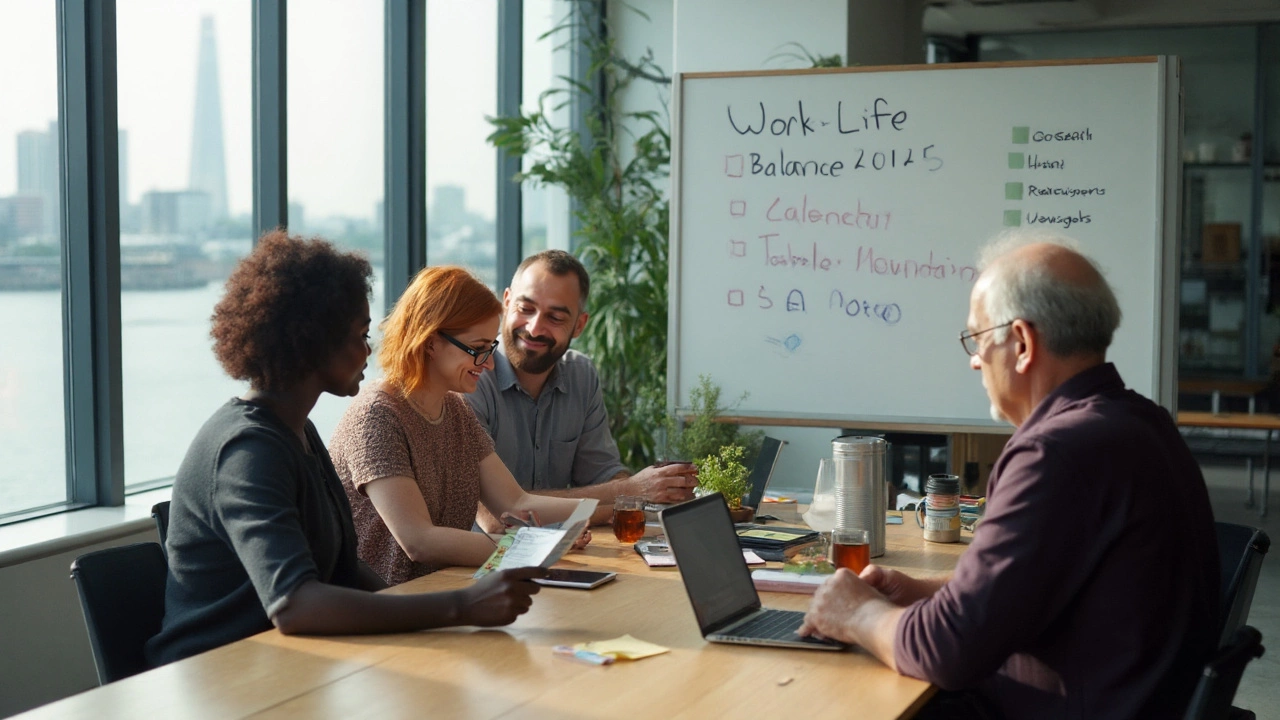
How to Encourage Work‑Life Balance: Practical Steps for Managers and Teams (2025)
Clear steps, scripts, and checklists to encourage work-life balance in 2025. Policy ideas, South Africa notes, metrics, and quick wins for managers and teams.