Healthy Meal Plan: Simple, Realistic Ways to Eat Better Every Day
A healthy meal plan, a structured approach to eating balanced, nourishing foods across the day. Also known as nutritional planning, it’s not about diets that vanish in a week—it’s about building habits that stick because they actually work with your life, not against it. You don’t need to count calories or buy fancy superfoods. You just need to know what to put on your plate, when, and why.
What makes a healthy meal plan, a structured approach to eating balanced, nourishing foods across the day. Also known as nutritional planning, it’s not about diets that vanish in a week—it’s about building habits that stick because they actually work with your life, not against it. work? It’s built on three things: meal prep, preparing food ahead of time to save effort and reduce impulse choices. Also known as batch cooking, it’s the quiet hero behind consistent eating, nutrition, the science of how food fuels your body and mind. Also known as dietary balance, it’s not about perfection—it’s about getting enough protein, fiber, and good fats, and weight gain, adding healthy mass through calorie-dense, nutrient-rich foods. Also known as healthy weight increase, it’s often overlooked but just as important as losing weight. If you’re trying to stop losing weight, or get a flatter stomach, or just feel less tired, your meal plan is where it starts.
Look at what people are actually doing: pasta meal prep that lasts all week, high-calorie snacks that don’t come in a bag, 3-day plans that reset bloating without starving. These aren’t magic. They’re smart. They use real food—beans, eggs, oats, leafy greens, nuts—that you can find at any supermarket. No gimmicks. No detoxes. Just rhythm. You don’t need to cook five meals a day. One good lunch, a solid breakfast, and a few easy dinners are enough. The goal isn’t to be perfect. It’s to be consistent.
And if you’re wondering whether eating well is worth it when you’re tired, busy, or stressed—yes, it is. A healthy meal plan doesn’t add time to your day. It takes time away from the chaos of guessing what to eat. It stops the 7 p.m. snack spiral. It helps you sleep better, think clearer, and feel like yourself again. The posts below show you exactly how real people are doing it—whether they’re gaining weight without junk food, shrinking belly bloat in three days, or just making pasta taste good on a Thursday night. You’ll find plans that fit your schedule, your budget, and your life—not someone else’s Instagram feed.
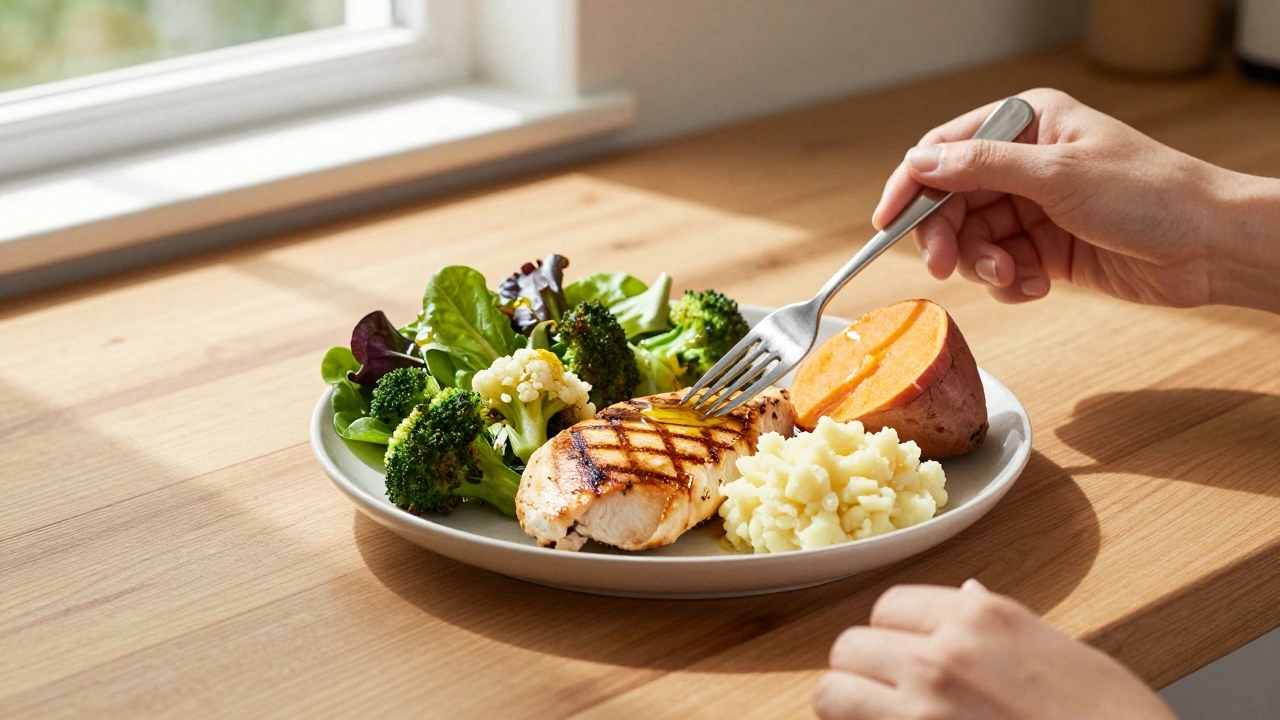
What's a Good Meal Plan to Lose Belly Fat? Simple, Science-Backed Eating Rules
A simple, science-backed meal plan to lose belly fat without extreme diets. Focus on protein, vegetables, whole foods, and cutting sugar - not starvation or gimmicks.